

California is soon to choose a new governor, and to be honest, I don’t envy the winner. But I’ll come back to that.
Gavin Newsom was first elected governor back in 2018, the same year the state passed its requirement to achieve 100% clean electricity by 2045. Since 2018, the state has made substantial progress towards its renewable and clean electricity goals. California’s grid has gone from 35% renewable energy in 2018 to 45% in 2024. The state has gone from less than 1 gigawatt (GW) of energy storage in 2018 to more than 20 GW (!!) in 2026. At the same time, the state passed policies that allow for increased collaboration on the western grid, rein in data center expansion, and much more. California has made significant and steady progress.
But unfortunately for the next governor, Newsom didn’t quite wrap all the state’s energy issues up with a bow. There are some solutions Newsom couldn’t quite muscle through the legislature, other issues Newsom has purposefully left for the next governor, and still others that never rose to the top.
Which is why I don’t envy the winner: there are many consequential and controversial energy issues that will require their attention.
But to make life easier for the new governor, I’ll go through all the big energy issues facing California, and I’ll break them down into near-term issues that will inevitably come up, long-term issues critical to the success of the state’s clean energy transition, and the elephant in the room, or the biggest issue of all. (Hint: affordability.)
Near-term issues
Addressing utility-caused wildfires
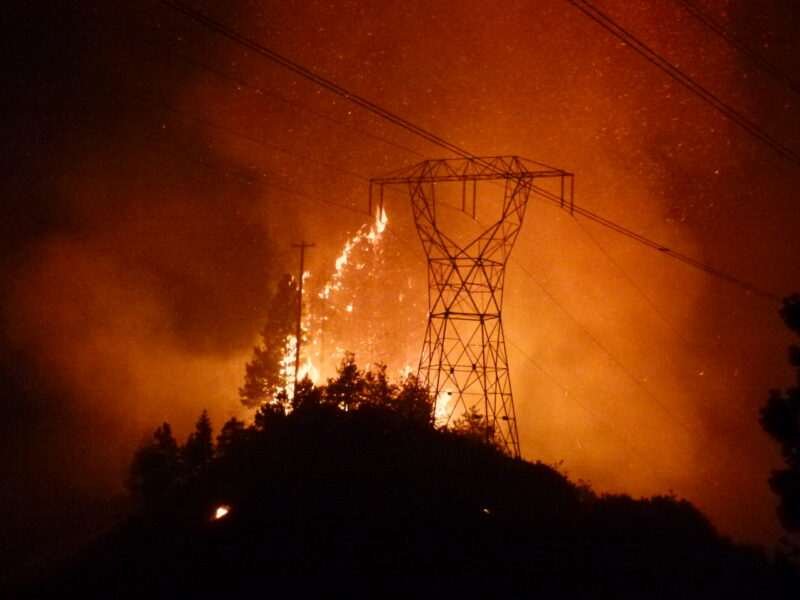
Wildfire has been one of the top issues facing California’s electricity sector ever since PG&E filed for bankruptcy in 2018 a few months after sparking the Camp Fire. In response, California utilities began pouring tremendous amounts of money into wildfire mitigation to reduce the risk of sparking fires with their power lines. The state also created a wildfire fund, which is funded by both ratepayers and utility shareholders, to help pay for the costs of utility-caused wildfires.
But that hasn’t solved the problem. Power lines have continued to spark catastrophic wildfires. For example, an SCE transmission line reportedly sparked the Eaton Fire in 2025, and if the state had not replenished the wildfire fund proactively, Eaton fire damage claims could have exhausted the fund. Meanwhile, electricity bills have skyrocketed due in large part to all the utility spending on wildfire mitigation and other wildfire-related costs. And now the pace of the clean energy transition could even be slowed by utilities deferring investments in grid infrastructure and slow-walking the interconnection of clean energy.
Simply put, the status quo is not sustainable. The state can’t keep squeaking by with a wildfire fund that’s seemingly always one big fire away from depletion. California policymakers need to find more effective ways to prevent catastrophic wildfires and contain utility spending on wildfire. This includes solutions such as reforming utility wildfire liability rules, developing a stronger safety and learning culture across utilities, and advancing a whole-of-society response to the state’s wildfire risks. The state should also explore holding fossil fuel companies accountable for paying their fair share of wildfire costs, since emissions from the world’s largest fossil fuel producers have been directly linked to worsening wildfires in the West. If policymakers don’t act proactively, this issue will force itself to the forefront sooner or later.
Mitigating data center impacts
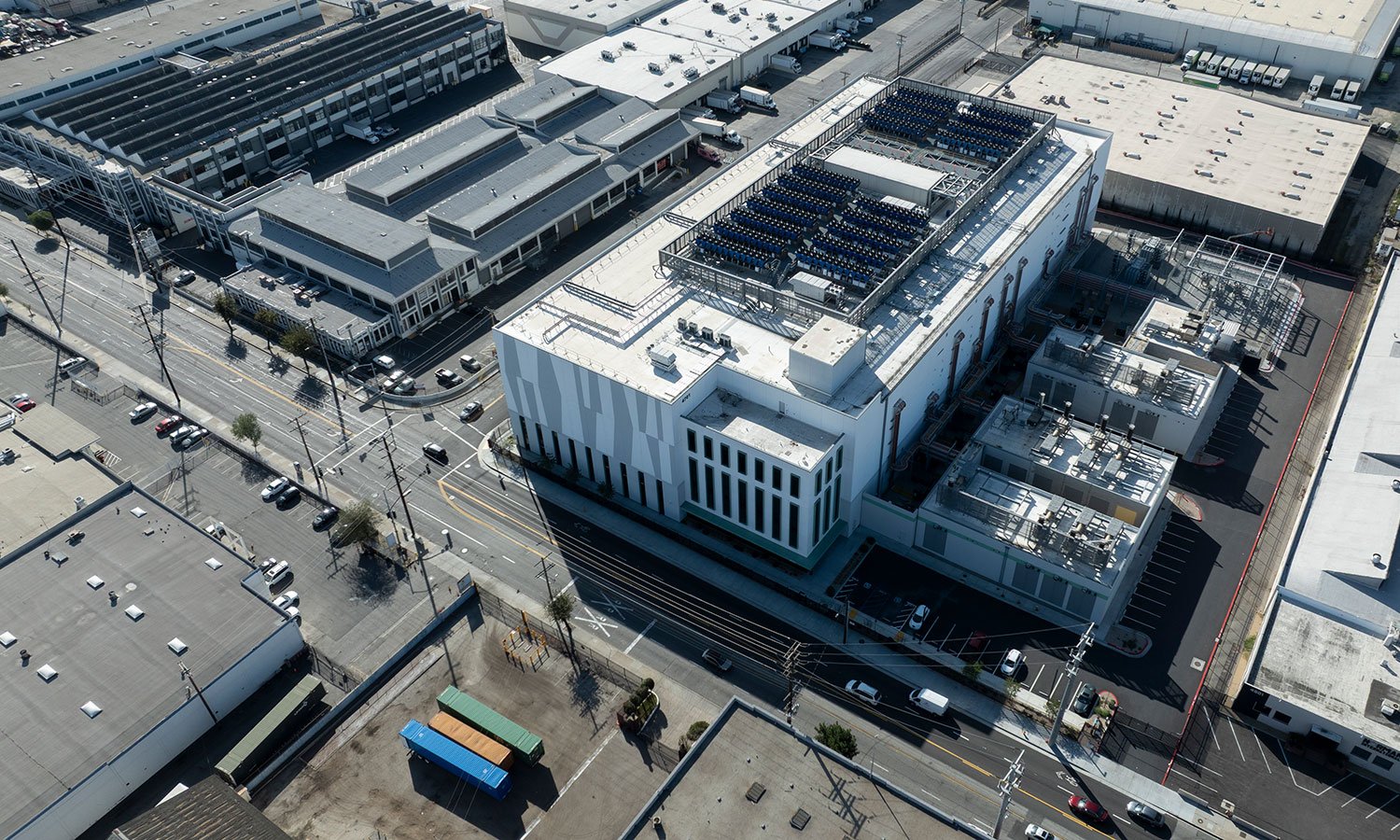
Because of the challenges they pose to the electricity system, data centers have been a top issue in the energy world for a few years now. Thankfully, California isn’t projecting the mind-boggling buildout that’s been proposed in other parts of the country, but the state is still facing a significant increase in electricity demand due to data centers. In response, California policymakers passed a promising package of data center protections in 2026, which will help protect ratepayers and nearby communities from the impacts of data centers.
However, California policymakers could and should still do more to protect Californians from the varied impacts of data centers. For example, the state should require data centers to pay for sufficient clean energy to power their operations so that data centers don’t drive up fossil fuel emissions from the power grid or drive up the cost of electricity for all other customers. In addition, policymakers should put stricter limits on highly-polluting diesel backup generators and encourage the deployment of cleaner alternatives for backup power. While no one is certain exactly how many data centers will set up shop in California, it’s important for the state to be prepared by having such additional policies to limit impacts on consumer costs and on pollution.
Not extending Diablo Canyon
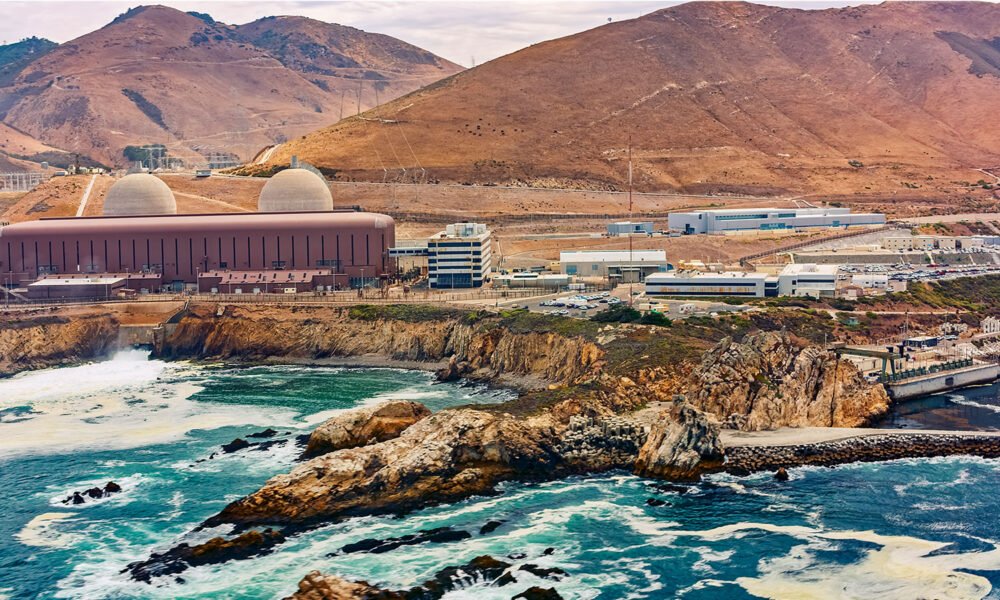
The final near-term issue that is virtually guaranteed to come up is the fate of the Diablo Canyon nuclear power plant. While PG&E was originally planning to shut the plant down by 2025, the California legislature granted a five-year extension in response to rolling blackouts in 2020 and the grid reliability concerns that lingered for years afterwards. Now that PG&E has been granted a license from the US Nuclear Regulatory Commission to continue operating Diablo Canyon until 2045, the main thing standing in the way of continued operations is California law that requires the plant to shut down by 2030.
Rumor has it that, over this past year, PG&E has been working behind the scenes in Sacramento to drum up support for keeping the plant online through 2045. However, even though Newsom was one of the biggest proponents of the original extension, he purposefully left this decision to the next governor.
There are pros and cons to keeping Diablo Canyon open, but at the end of the day, California should let the plant shut down by 2030. Yes, it will make California’s transition to clean electricity a bit more difficult to achieve, but it isn’t worth the seismic safety risks and environmental impacts of keeping the plant open. However, if California policymakers do go ahead with an extension, it will be critical to ensure ratepayers aren’t left holding the bag (as was the case with the recent extension).
Long-term issues
Diversifying clean energy resources
California has made real progress transitioning to clean electricity in the last decade. Although electricity sector emissions stagnated for half a decade, emissions are now trending back down. Without a doubt, solar has been the major driver of California’s clean energy progress, and the rapid buildout of energy storage in recent years is another critical part of the state’s energy transition.
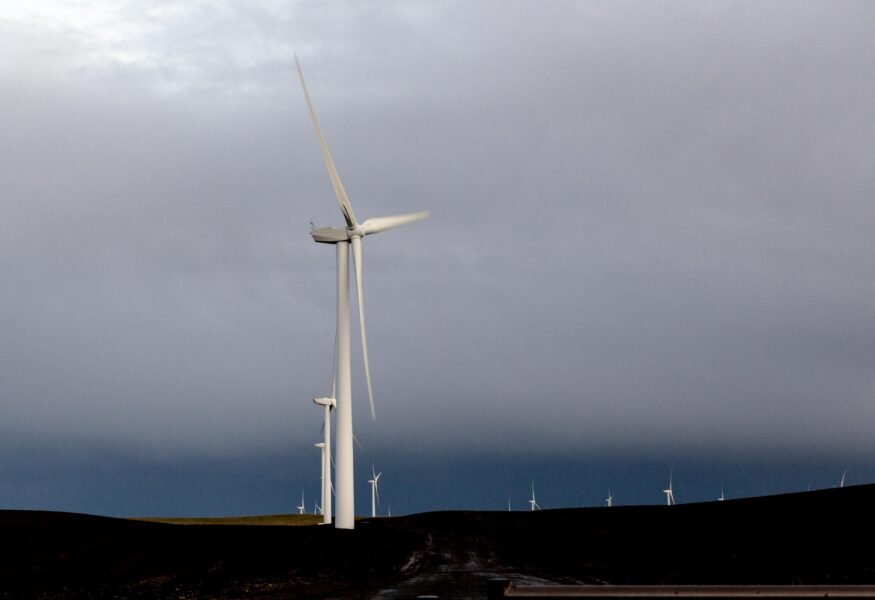
However, California can’t do it all with just solar and storage. The state will need other clean resources, such as wind and geothermal, to make the transition more affordable and more reliable. Unfortunately, these other clean technologies, which the state is counting on, just haven’t materialized at the required pace.
Over the coming decade, California will need to spur the growth of in-state wind, out-of-state wind, offshore wind, conventional geothermal, advanced geothermal, and other clean technologies that would aid the state’s energy transition. California will need at least some, but perhaps not all, of these technologies to scale up dramatically. But it won’t be simple, because there’s no single solution to make it all happen. Different technologies face different barriers, such as transmission access, permitting barriers, financing challenges, and many more. California needs to chip away at these barriers and intentionally focus on diversifying the technologies contributing to its energy transition.
Expanding and modernizing the grid
Over the long term, California needs to significantly expand its grid infrastructure to meet rising electricity demand from electrification and to connect new clean energy projects to the grid. California’s grid operator often tasks utilities with building the big new projects, such as transmission lines and substations, that the state needs. However, utilities have been unacceptably slow at building these projects, with delays stretching on for years. California recently passed legislation co-sponsored by UCS that will hold utilities accountable for these delays, but the state must remain vigilant, especially as PG&E has publicly stated its intention to slow down its grid investments even further.
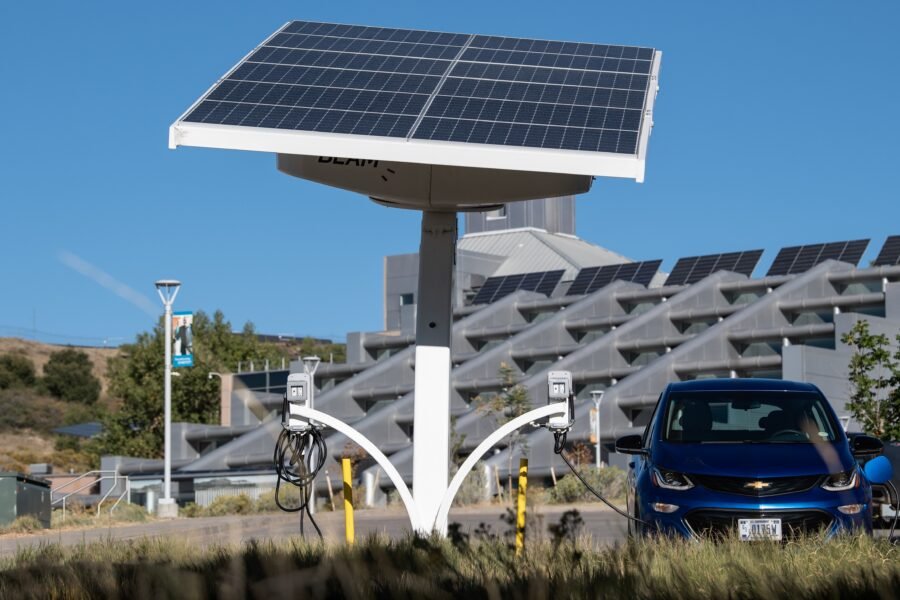
But there’s another way to accommodate increases in electricity demand without needing to build out so many poles and wires: modernizing the grid by harnessing distributed energy resources (DERs). DERs include technologies such as rooftop solar, home energy storage, demand response, and electric vehicles. They can generate electricity, store it, shift electricity demand, or reduce demand altogether. Electric vehicles in particular could play a huge role in reducing California’s need to build not only transmission and distribution grid infrastructure, but generation resources as well, all while bolstering grid reliability and saving ratepayers money. One easy first step towards achieving these benefits is for the California Energy Commission to restart SB 59 implementation, which could help get more cars on the road that can discharge energy back to the grid.
As California greatly expands its grid through the clean energy transition, the state should simultaneously pursue solutions, such as DERs, that reduce the need for more grid infrastructure in the first place.

Advancing a regional grid
After nearly a decade-long impasse, California is finally on board with a plan that could result in a much better-integrated western power grid. There’s too much history to rehash it all here, but the short version is that a diverse group of stakeholders developed a plan to create a new, regional organization to govern western energy markets. The motivation behind this plan has been to attract more utilities from across the west to participate in western energy markets, which would help reduce electricity costs, improve grid reliability, and ease the clean electricity transition. California policymakers gave the plan a greenlight in 2025, and since then stakeholders have been working to set up the new organization and put the whole plan into motion.
California should continue down this path and ensure that the California Public Utilities Commission develops a reasonable approval process for utility participation. The state should also (carefully) consider participating in additional market services that could help even more with affordability, reliability, and clean energy.

The elephant in the room: energy affordability
Last but certainly not least is affordability, the largest and most pervasive issue facing California’s energy sector. Electricity rates have skyrocketed over the past decade, with more than 1 in 5 households now behind on their energy bills. Californians are still clamoring for relief, and policymakers have yet to deliver.
Just about every single one of the solutions discussed previously will also address affordability, including reining in utility spending on wildfire, ensuring data centers pay for the cost increases they cause rather than socializing those costs, and continuing with utility participation in expanded western energy markets which drive down the cost of electricity.
More generally, there are three ways to tackle the affordability issue: reduce utility spending, change how people pay for utility spending, or reduce utility profits. The solutions discussed already can help to reduce utility spending. At the same time, the state should also pursue changes in how people pay for utility spending. For example, California could substitute taxpayer dollars for ratepayer dollars, which would be much more progressive, or the state could change rate structures or expand assistance programs so that folks with lower incomes pay less and those with more means pay more. Finally, policymakers can reduce utility profits, which are ultimately funded by ratepayers, by reexamining the allowed return on equity which is likely too high.
Final thoughts
As I mentioned at the outset, there are many consequential and controversial energy issues that will require the next governor’s attention. Since there’s no silver bullet, the next administration will need to pursue a suite of solutions, with affordability front and center, to continue California’s progress on its transition to clean electricity and to maintain its status as a global leader on climate policy.


