
A CNN reporter recently climbed into a heat chamber – a controlled environment designed to simulate extreme temperatures – and what happened to her body in just a short time was genuinely startling. She sweated enough fluid to fill two standard soda cans. That’s roughly 710 milliliters of sweat, lost before she even felt like she was in serious trouble. It’s the kind of number that makes you think differently about what heat actually does to the human body.
The experiment wasn’t just a dramatic TV moment. It was a vivid illustration of something scientists and public health researchers have been warning about for years: extreme heat is a silent, fast-moving threat, and most people have no idea how quickly their bodies can reach a dangerous tipping point.
What the heat chamber experiment actually showed

The CNN heat chamber experiment placed reporter Ella Nilsen inside a chamber set to conditions mimicking a dangerous summer heatwave – high temperature, high humidity, minimal airflow. The goal was to measure physiological responses in real time, with medical professionals monitoring her vitals throughout.
Within minutes, her core body temperature began to rise. Her heart rate climbed. And she was sweating at a rate that most people would never associate with just sitting in a hot room. The sweat loss that added up to two soda cans’ worth happened faster than almost anyone would predict.
What made the experiment particularly striking was that she didn’t feel catastrophically bad until the numbers were already in worrying territory. That’s the trap with heat stress – your brain often doesn’t register the danger until your body is already struggling to compensate.
How much sweat does the human body actually produce in extreme heat
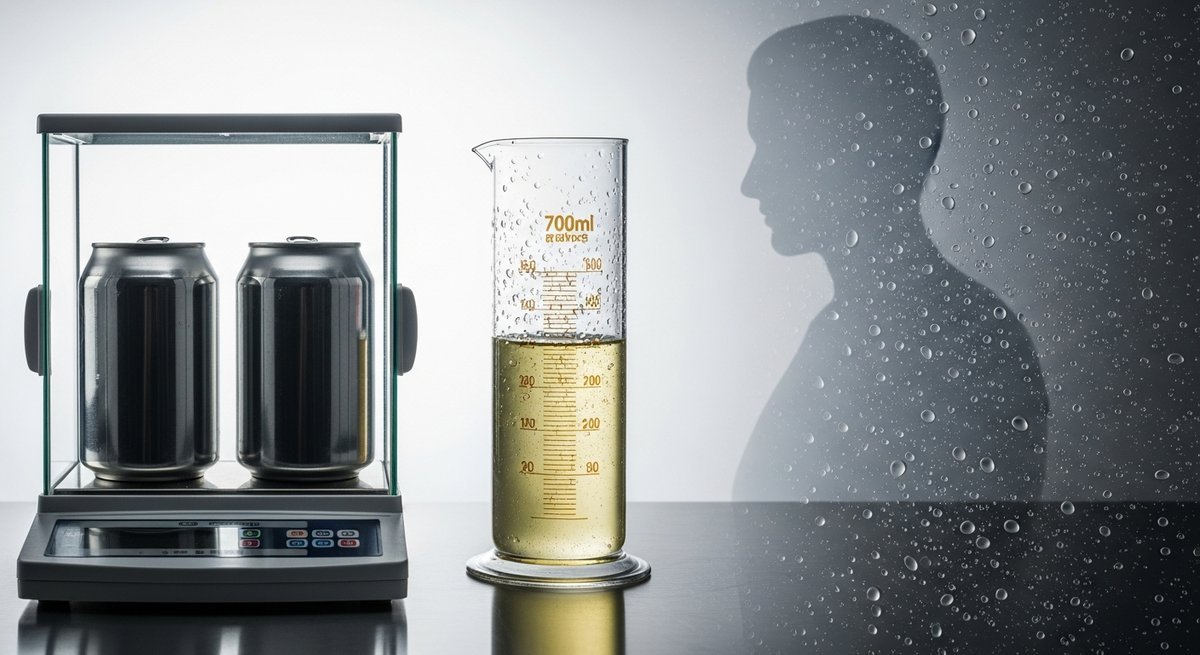
Under normal conditions, the average person sweats around one liter per hour during exercise in warm weather. In extreme heat – think 100°F plus with high humidity – that number can climb to two or even three liters per hour. Elite athletes in hot environments have been recorded losing up to four liters per hour in short bursts.
Sweat is your body’s primary cooling system. When sweat evaporates off your skin, it takes heat with it – it’s essentially the body’s version of air conditioning. But that system only works if you stay hydrated enough to keep producing sweat in the first place.
Once you lose about 2% of your body weight in fluids, your cognitive performance starts to drop. At 5%, physical performance degrades significantly. Above that, you’re entering territory where organ function can be compromised. The CNN experiment made these abstract percentages very concrete.
As Americans are dying from extreme heat and autopsy reports often don’t reflect the full truth, there’s a critical need to understand just how quickly the human body can be overwhelmed – even in people who feel healthy and capable.
The science behind sweat loss and dehydration risks
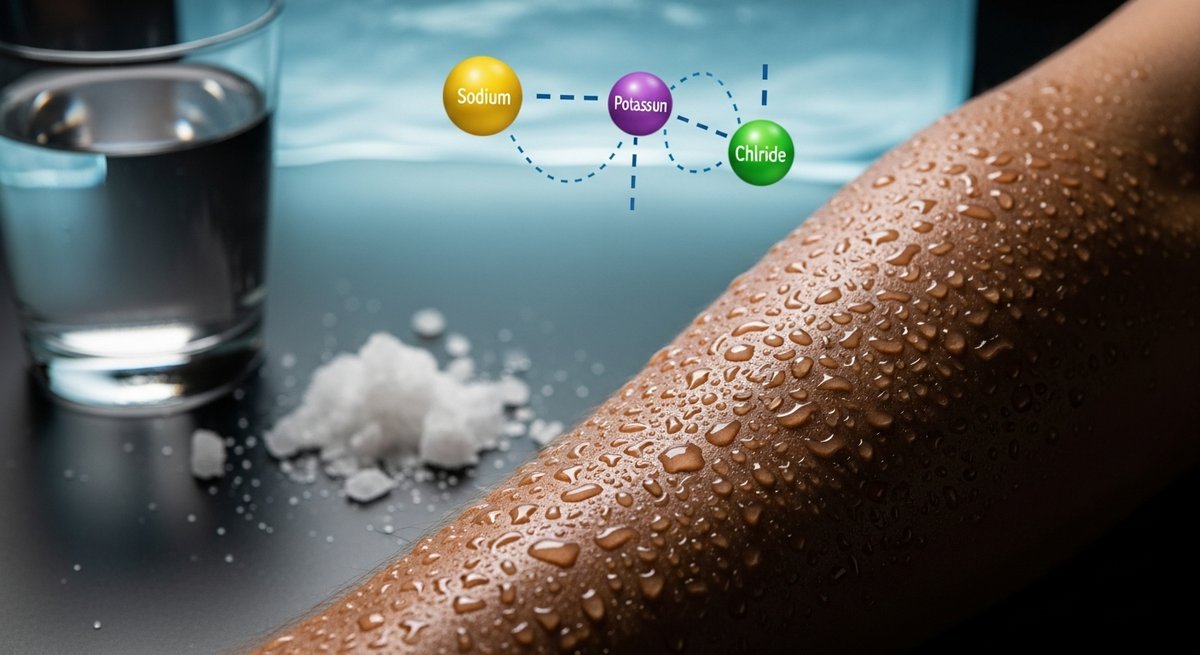
Sweat is mostly water, but it also contains electrolytes – sodium, potassium, chloride, and magnesium. When you lose large amounts of sweat quickly, you’re not just losing hydration; you’re disrupting the electrical balance your cells rely on to function. Muscles cramp. The heart works harder to pump thicker, less-fluid blood. The kidneys start conserving water, which means less urination and a rising concentration of waste products in the blood.
One thing the heat chamber experiment highlighted is how deceptive mild dehydration can be. You might not feel thirsty until you’re already 1-2% dehydrated. And in hot environments, the thirst signal often lags behind actual fluid loss by a significant margin.
This is especially true for older adults, whose thirst sensitivity diminishes with age, and for young children, who have a higher surface-area-to-body-mass ratio and can overheat faster than adults expect. Both groups are disproportionately represented in heat-related fatalities.
Heat exhaustion symptoms and when they escalate to heat stroke
There’s an important clinical line between heat exhaustion and heat stroke, and it’s one most people don’t know how to recognize in themselves or others.
Heat exhaustion typically presents with heavy sweating, cool or pale skin, fast or weak pulse, nausea, dizziness, and muscle cramps. You feel awful, but your body is still trying to cool itself. Get out of the heat, drink water, and apply cool cloths – most people recover within 30 minutes.
Heat stroke is the emergency. It happens when core body temperature hits 104°F or above and the body’s cooling system fails. Signs include:
- Hot, red, and dry or damp skin
- Rapid, strong pulse
- Confusion or slurred speech
- Loss of consciousness
- Nausea and vomiting
At this stage, you need emergency medical care immediately. Heat stroke can cause permanent brain damage or death if not treated within minutes. The CNN reporter’s experiment didn’t push her to that extreme, but the controlled setting made it viscerally clear how close that edge can be without medical supervision.
The effects of extreme temperature on the body also extend beyond a single exposure. Repeated heat stress can impair kidney function over time, increase cardiovascular risk, and compound existing respiratory conditions. Europe’s record-breaking heat events have laid bare the broader public health consequences of a world warming faster than our infrastructure and healthcare systems can adapt to.
Why this matters right now
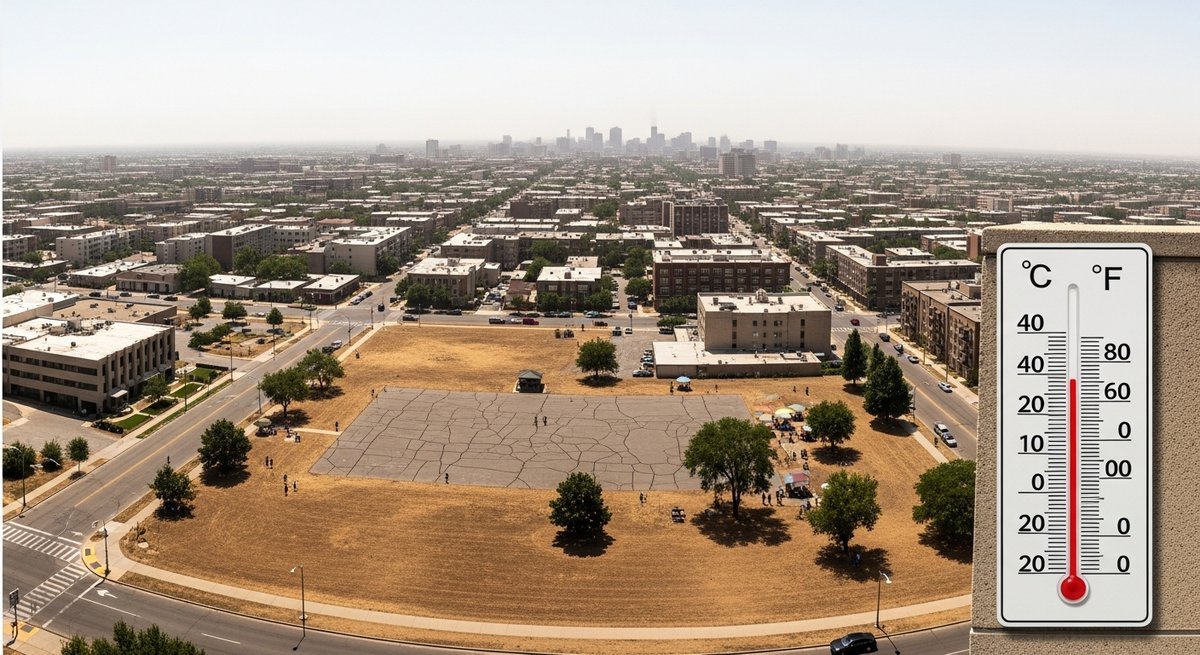
Heatwaves are already the deadliest weather phenomenon in the United States, killing more people annually than hurricanes, floods, and tornadoes combined. And the trend lines are not moving in a comforting direction.
The world is still on track for a catastrophic 2.6°C temperature rise, a trajectory that would dramatically expand the frequency, duration, and geographic reach of dangerous heat events. What currently feels like a rare extreme will become a standard summer in many cities within decades.
Urban heat islands – where dense buildings and pavement absorb and radiate heat – already push city temperatures 5 to 10 degrees higher than surrounding rural areas. Workers in outdoor industries, people without air conditioning, and those in low-income neighborhoods near industrial zones are already bearing the heaviest load.
The CNN heat chamber story is useful precisely because it puts a human face on data that can otherwise feel clinical. Watching someone sweat through two soda cans’ worth of fluid in real time communicates something that a bar chart simply cannot.
What you can actually do to protect yourself and others
- Drink water consistently throughout the day, not just when you’re thirsty
- Avoid prolonged outdoor activity during peak heat hours (typically 11am to 4pm)
- Wear lightweight, light-colored, loose-fitting clothing
- Use fans and shade, but recognize that fans are ineffective above 95°F in high humidity
- Check on elderly neighbors and relatives during heat events – they may not ask for help
- Know where your nearest public cooling center is before a heatwave hits
- Never leave children or pets in parked vehicles, even briefly
For communities and policymakers, the solutions are larger but equally clear: more urban tree canopy, cool roof materials, better-insulated affordable housing, and updated labor protections for outdoor workers. These aren’t luxury items. They’re public health infrastructure.
Frequently asked questions about heat stress and sweat loss
How much sweat does the human body produce in extreme heat?
In extreme heat, the body can produce one to three liters of sweat per hour, and sometimes more during intense physical activity. The CNN heat chamber experiment illustrated this dramatically, showing that dangerous fluid loss can happen in a surprisingly short window of time.
What are the first signs of heat exhaustion?
- Heavy sweating with cool, pale skin
- Fast but weak pulse
- Dizziness, nausea, or headache
- Muscle cramps
- Fatigue and weakness
When does heat exhaustion become heat stroke?
Heat stroke occurs when the body’s core temperature reaches 104°F or higher and the cooling mechanism begins to fail. Confusion, loss of consciousness, and organ damage become real risks. It requires emergency medical treatment, not just rest and fluids.
Why are older adults more vulnerable to heat-related illness?
Older adults have a reduced thirst response, sweat less efficiently, and are more likely to take medications that impair heat regulation. They’re also more likely to have underlying cardiovascular conditions that make the extra strain on the heart dangerous.
Does humidity make heat more dangerous?
Yes, significantly. High humidity prevents sweat from evaporating efficiently, which is the body’s primary cooling method. This is why a 95°F day at 80% humidity feels and physically functions far more dangerously than 95°F at 20% humidity.
Can you acclimatize to extreme heat?
To some degree. The body adapts over one to two weeks of regular heat exposure by producing sweat more efficiently and retaining more electrolytes. But acclimatization has limits, and it doesn’t protect against the most severe heat conditions or protect vulnerable populations who can’t tolerate the process itself.
How much water should you drink during a heatwave?
General guidance suggests at least eight cups (about two liters) per day under normal conditions, but this increases substantially in heat. During outdoor activity or extended heat exposure, drinking 500-600ml every 20 minutes is often recommended. Electrolyte replacement matters too, especially during prolonged sweating.
What is the wet-bulb temperature and why does it matter?
Wet-bulb temperature accounts for both heat and humidity together, measuring the lowest temperature achievable through evaporative cooling. Scientists consider a wet-bulb temperature above 35°C (95°F) unsurvivable for humans without active cooling, even at rest. Several regions have already recorded readings approaching this threshold during recent heatwaves.
The CNN heat chamber experiment was a few minutes of controlled discomfort for one reporter. For millions of people who face uncontrolled extreme heat every summer – without monitoring equipment, medical teams, or a way out – the stakes are far higher. Understanding the science of what heat does to your body isn’t alarmism. It’s just preparation
This article is for informational purposes only.
Reference: https://www.cnn.com/2024/07/30/climate/video/extreme-heat-on-body-brain-digvid
The post CNN reporter went into a heat chamber. She lost enough sweat to fill two soda cans appeared first on Green.org.


