

Australia is one of the world’s leading rooftop solar markets, with more than 30% of Australian households now having rooftop solar PV. With so many systems operating across the country, understanding solar panel problems Australian homeowners commonly encounter is essential for protecting energy savings and system performance.
A solar panel not working, an inverter warning, shading, dirt, or a sudden drop in generation can all reduce output. The good news is that many issues can be identified through monitoring before they become expensive problems. This guide explains the most common solar panel problems Australian households face, how to troubleshoot them safely, and when to call a qualified professional. If your system is underperforming, Energy Matters can help you take the next step with trusted solar advice and connections to installers.
Energy Matters can help you connect with trusted, accredited solar professionals across Australia. We partner with Solar Service Guys, who can perform solar system health checks.
Quick summary
- Most solar panel problems in Australia come from dirty or shaded panels, inverter faults, or wiring issues, and most are fixable without replacing the system.
- A sudden drop in output, inverter error lights, or an unexplained spike in the bill are the clearest signs of a solar panel fault.
- Regular cleaning plus a professional inspection every 1 to 2 years keep output high and protect your warranty.
What causes solar panel problems in Australia
Australia’s climate is tough on solar equipment. Harsh UV exposure, dust, bushfire smoke, and severe storms all place extra strain on panels, wiring, and inverters compared with milder climates overseas.
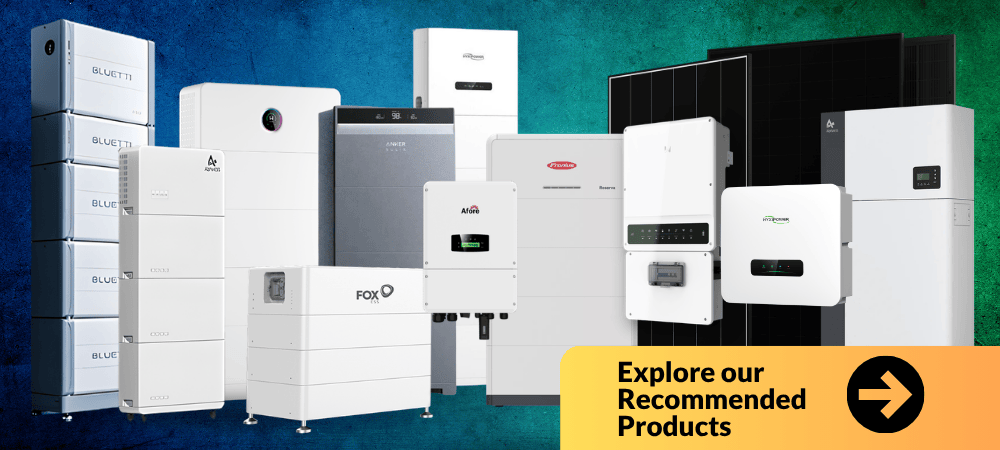
Beyond environmental wear, many solar panel problems in Australia stem from poor installation quality, ageing components, or inadequate maintenance. A system installed a decade ago with an older-generation inverter is far more likely to develop a fault than a newer, well-maintained setup. Check our page for our recommended solar inverters, panels, and more solar products.
Signs your solar panel is not working properly
A solar panel not working correctly rarely fails without warning. Look out for these signs:
- Higher than usual electricity bills despite normal sunlight
- Inverter showing red, orange, or flashing error lights
- Visible cracks, discolouration, or debris on panels
- Little or no output showing on the monitoring app
- One section of the roof consistently underperforming the rest


Common solar panel faults and how to fix them
Dirty or shaded panels
Dust, pollen, bird droppings, and overhanging branches block sunlight and reduce output, sometimes by up to 25%. This is one of the simplest solar panel faults to fix.
Fix: Clean panels with water and a soft brush every few months, and trim back nearby trees or vegetation that cast shadows during peak sun hours.
Inverter faults
The inverter converts DC power from your panels into usable AC electricity, and it’s the component most likely to fail first, typically after 10 to 15 years.
Fix: Check the display for error codes, restart the system per the manufacturer’s instructions, and call a licensed technician if warning lights persist.
Wiring and connection issues
Loose connections, corroded cabling, or rodent damage can interrupt the flow of electricity and are common causes of intermittent solar panel performance.
Fix: Never attempt DIY electrical repairs. A Solar Accreditation Australia (SAA)-accredited solar installer should safely inspect and repair wiring.
Micro-cracks and physical damage
Hail, falling branches, or thermal stress can cause micro-cracks that aren’t visible to the naked eye but still reduce efficiency over time.
Fix: A thermal imaging inspection can detect hotspots and cracked cells, with damaged panels replaced under warranty where applicable.
Monitoring app or software glitches
Sometimes the problem isn’t the hardware at all. A monitoring app glitch or firmware bug can make a healthy system look faulty.
Fix: Restart the app or Wi-Fi connection first, and confirm actual output against your inverter display before assuming a fault.
Solar system producing less power than expected?
Seasonal changes, panel age (most panels degrade by about 0.5% per year), and shading from nearby new construction can all gradually reduce output, even when nothing is technically broken.
Compare your production against your system’s rated capacity and the same month last year. A consistent, unexplained drop points to a genuine solar panel fault rather than normal seasonal variation. For a deeper look at factors that affect output, see our guide on solar panel orientation and roof direction.
Solar panel troubleshooting: a simple step-by-step approach
- Check the inverter display for error codes or warning lights
- Inspect panels visually for dirt, debris, or shading
- Compare current output with your monitoring app’s historical data
- Check that circuit breakers and switches haven’t tripped
- Call a Solar Accreditation Australia (SAA)-accredited installer if the issue persists
Common solar panel problems at a glance
| Problem | Likely Cause | Recommended Fix |
| Solar panel not working | Tripped breaker, inverter fault | Reset the breaker; check the inverter display for error codes |
| Reduced output | Dirt, shading, panel ageing | Clean panels, trim trees, compare against baseline output |
| Inverter error lights | Overheating, component wear | Restart per manual; call a licensed technician if it persists |
| Sudden bill spike | Wiring fault, undetected outage | Inspect connections; contact an accredited installer |
| Inconsistent monitoring data | App or Wi-Fi glitch | Restart the app and router; verify against inverter display |
When to call a professional for a solar panel fault
Some fixes, like cleaning panels or restarting an inverter, are safe for homeowners to do themselves. Anything involving wiring, rooftop access, or persistent inverter errors should always be handled by a Solar Accreditation Australia (SAA)-accredited technician.
If your system is still generating Small-scale Technology Certificates value or sits within its warranty period, check our guide to how STCs work in Australia before booking paid repairs, as some faults may be covered.
Expert tips
- Check the monitoring platform and inverter display first, but do not remove covers, open electrical equipment or attempt repairs. Solar equipment can remain electrically energised even when mains power is switched off.
- Do not repeatedly reset an inverter if it continues to show the same fault. Give the installer the exact error message so they can diagnose the issue faster.
- Look for a sustained change in performance rather than reacting to normal day-to-day fluctuations. A professional system check can compare actual generation with expected performance.
- Never climb onto a roof to clean solar panels yourself. Arrange a professional service if heavy soiling is affecting output.
- Do not judge shading only from the roof at midday. Early morning, late afternoon and winter sun angles can create shadows that are easy to miss.
- Keep photographs, invoices, serial numbers and warranty documents. They can make a warranty or insurance claim considerably easier.
Frequently asked questions
What is the most common solar panel problem in Australia
Dirty or shaded panels are the most common issue, often reducing output by 10-25% without any visible damage. Inverter faults are the next most frequent problem, particularly in systems over ten years old. Regular cleaning and inspections prevent most performance losses before they become costly.
How do I know if my solar panel has a fault?
Watch for a drop in daily output on your monitoring app, error lights on the inverter, or a noticeable rise in your electricity bill despite normal weather. Visible cracks, discolouration, or loose wiring are also warning signs. If in doubt, an accredited installer can run a full diagnostic.
Why is my solar system producing less power than usual?
Seasonal sunlight changes, dust build-up, shading from growing trees, and gradual panel ageing (around 0.5% efficiency loss per year) are the most common causes. If the drop is sudden or significant, it’s more likely a fault, such as a wiring issue or inverter fault, that needs professional attention.
Can I fix solar panel problems myself?
Simple maintenance, like cleaning panels or checking for tripped breakers, is safe to do yourself. Anything involving rooftop access, wiring, or the inverter’s internal components should be left to a SAA-accredited installer to avoid safety risks and warranty issues.
How often should solar panels be serviced in Australia
Most manufacturers and the Clean Energy Council or Solar Accreditation Australia recommend a professional inspection at least every two years, with a visual check every few months. Regular servicing catches early solar panel faults before they cause a significant drop in performance or void your warranty.
Key takeaways
- Solar panel problems in Australia are common but usually straightforward to diagnose and fix
- Dirty or shaded panels and inverter faults are the two most frequent causes of reduced output
- A sudden bill increase or inverter error lights are early warning signs worth acting on
- Regular cleaning plus a professional inspection every one to two years prevents most major faults
- Persistent or electrical issues should always be handled by a Solar Accreditation Australia (SAA)-accredited installer
Restore your solar system’s performance today
Solar panel problems don’t have to mean losing out on the savings you invested in. Most faults, from dirty panels to ageing inverters, are quick to diagnose and even quicker to fix once you know the warning signs.
If your system’s output has dropped, your bills have crept up, or you simply want peace of mind, Energy Matters’ accredited technicians can help. Book a professional solar health check today and let our team restore your system to full performance, protect your investment, and keep your energy bills where they belong: low.
Protect your investment with Energy Matters
Addressing the solar panel problems that Australian homeowners face requires expert diagnostic tools and reliable support. Whether you need a system upgrade, inverter replacement, or a fresh solar quote, Energy Matters connects you with trusted, accredited local installers across Australia.
Get up to 3 free, no-obligation solar quotes today to restore your home system efficiency and start saving on energy bills again!
The post Common Solar Panel Problems and How to Fix Them appeared first on Energy Matters.


