
The dining room has a special kind of magic. It’s where ordinary meals become memorable conversations, where family celebrations stretch late into the evening, and where a simple table can suddenly become the heart of the home. The right decorating choices can make this space feel welcoming without making it complicated or expensive. From beautiful lighting and layered table settings to clever wall accents and natural touches, even a plain dining area can become a room that feels polished and full of personality.
These dining room decoration ideas focus on practical ways to refresh the space while keeping it comfortable and inviting. Whether the room is large and formal or small and connected to the kitchen, small changes can create a surprisingly big difference. The best part? There’s no need to follow one strict decorating style. A few thoughtful details can bring warmth, color, texture, and character together beautifully.
Create a Stunning Dining Table Centerpiece
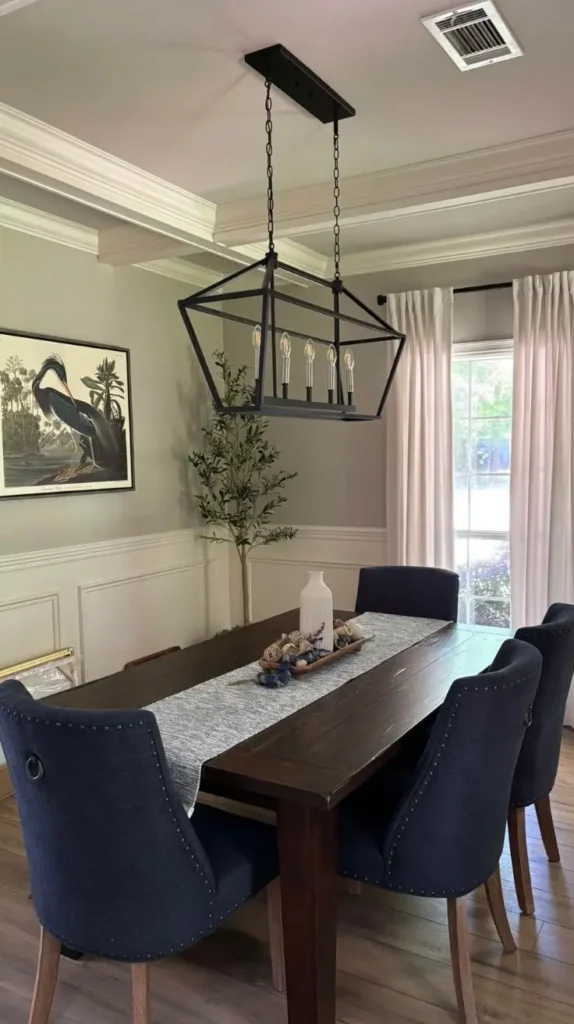
The dining table naturally becomes the focal point of the room, so decorating it is one of the easiest ways to transform the entire space. A centerpiece doesn’t need to be elaborate. In fact, simple arrangements often create a more relaxed and sophisticated atmosphere.
A low ceramic vase filled with fresh greenery can bring a natural feeling to the room, while a wooden bowl filled with seasonal fruit adds warmth and color. For a more elegant look, a collection of candles in different heights can create a soft glow during evening meals. A decorative tray can also hold a vase, candleholders, and a small accent piece without making the table look cluttered.
The size of the centerpiece matters, too. A very tall arrangement can interrupt conversation, while something too small may disappear visually. Keeping decorations low and balanced helps everyone around the table interact comfortably.
For everyday decorating, natural elements such as eucalyptus, branches, dried flowers, or small potted plants can work beautifully. During holidays or special occasions, the same table can quickly change with seasonal flowers, colorful napkins, or decorative ornaments.
Add an Eye-Catching Statement Light
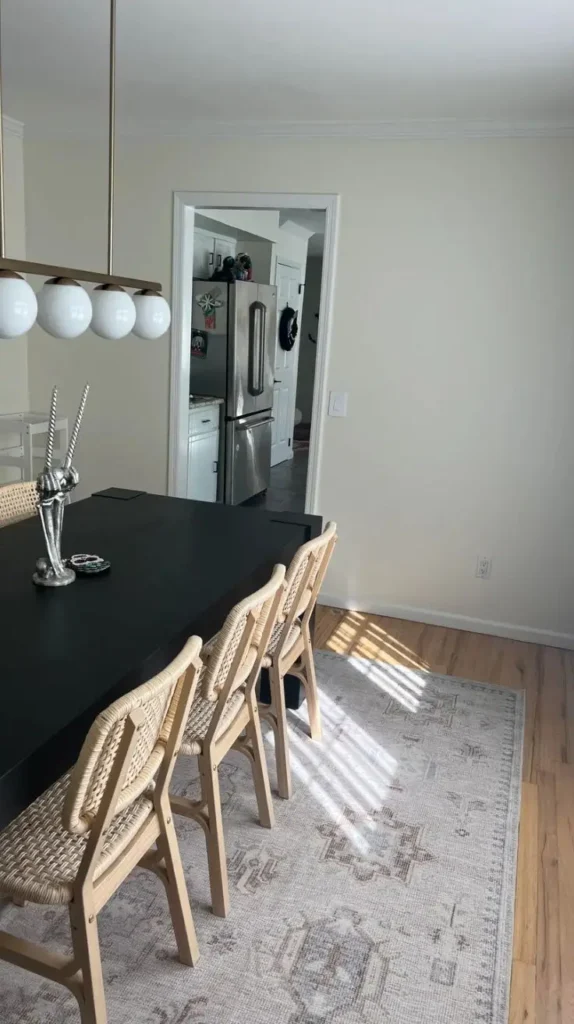
Lighting can completely change the mood of a dining area. A beautiful chandelier or pendant light can act almost like artwork hanging above the table while providing useful illumination.
For a traditional room, a classic chandelier with several arms can add elegance. Modern spaces often look wonderful with a sculptural pendant, globe light, or minimalist linear fixture. In a farmhouse-inspired room, a metal or wood-and-metal light fixture can create a cozy, rustic atmosphere.
The position of the light is important. It should hang above the center of the dining table and provide enough illumination without shining directly into people’s eyes. A dimmer switch makes the arrangement even more versatile because it allows the room to move from bright family breakfasts to intimate evening dinners with a simple adjustment.
Warm-white bulbs can make wood furniture, fabrics, and wall colors feel softer and more inviting. Layering the ceiling fixture with wall sconces, lamps, or nearby accent lighting can add another level of warmth.
A well-chosen light fixture doesn’t merely brighten the room. It gives the entire dining area a sense of purpose, and that visual impact can be the detail that ties everything else together.
Use a Large Mirror to Open Up the Room
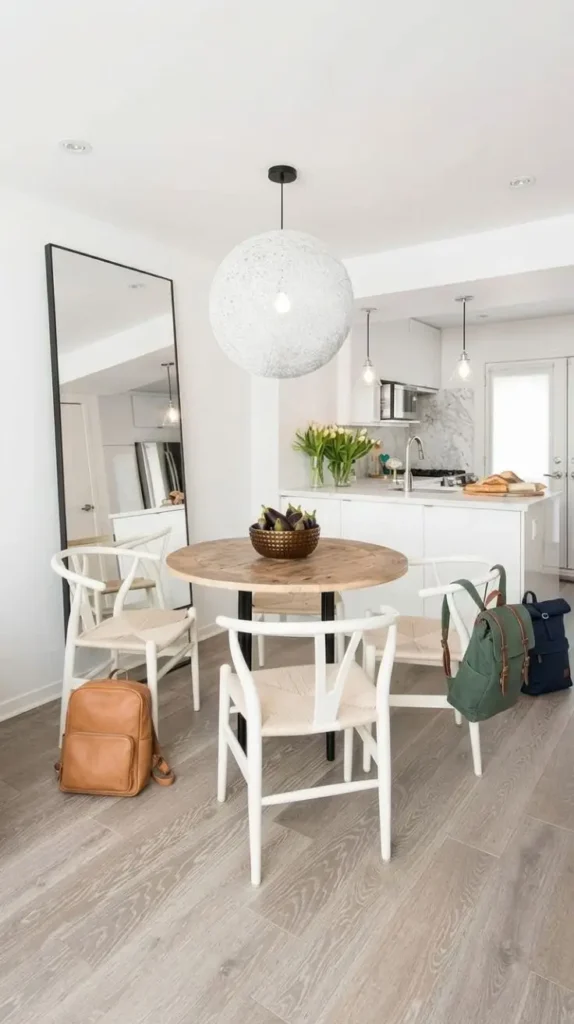
A mirror can be one of the smartest decorating additions for a dining room, especially when the space feels narrow or lacks natural light. Large mirrors reflect light and create the impression of additional depth, helping the room feel brighter and more spacious.
A round mirror works beautifully above a sideboard or buffet. For a more dramatic appearance, several smaller mirrors can be arranged together to create an interesting gallery effect. An oversized rectangular mirror can also work well in a formal dining area, particularly when paired with classic furniture.
The frame provides another opportunity to introduce personality. Wood frames create warmth, while black metal frames provide a contemporary edge. Gold or brass frames can make the space feel more refined without requiring expensive furniture.
Placement also matters. Positioning the mirror where it reflects a window, attractive light fixture, artwork, or greenery can make the reflected view part of the decoration. Avoid placing a mirror where it reflects a messy corner or an area filled with visual clutter. The goal is to multiply the beauty already present in the room.
Decorate the Walls With Meaningful Artwork
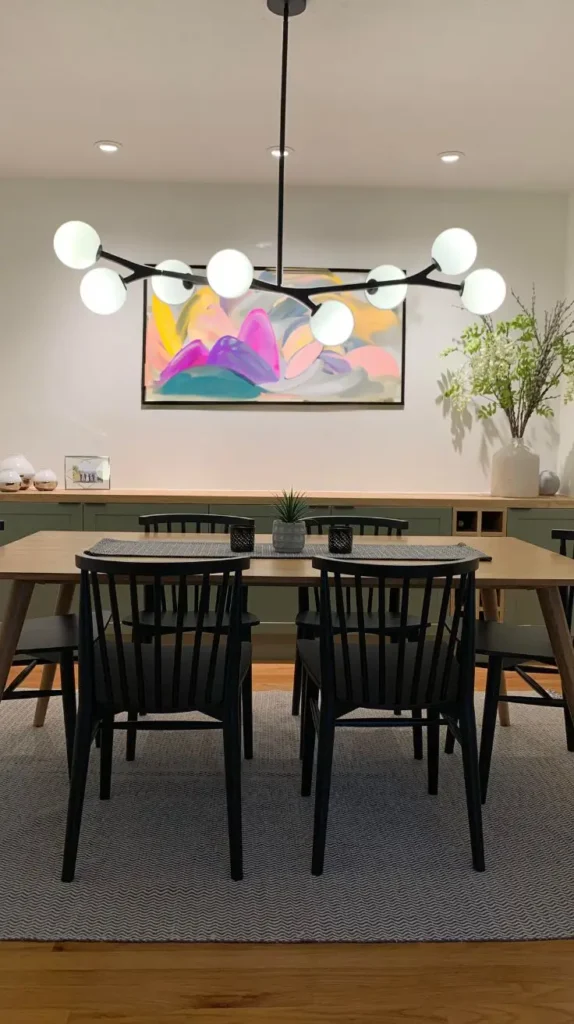
Bare dining room walls can make an otherwise beautiful space feel unfinished. Artwork provides an easy way to introduce personality, color, and visual interest.
A large landscape painting can create a peaceful backdrop, while botanical prints bring a fresh garden-inspired feeling indoors. Abstract artwork works particularly well in contemporary spaces because it adds color and movement without competing with the furniture.
A gallery wall can also become an attractive focal point. Mix framed artwork, family photographs, vintage prints, small mirrors, and decorative objects to create a collected appearance. Keeping a consistent frame color can make different pieces feel connected.
For smaller dining areas, one oversized artwork may work better than several small pieces. A large piece can establish a strong focal point without making the wall feel busy. The artwork should also relate to the colors already present in the room. Repeating one or two shades from the rug, curtains, upholstery, or tableware can create visual harmony.
Most importantly, wall decor doesn’t have to feel formal. Personal photographs, travel memories, handmade artwork, or vintage finds can make the room feel genuinely connected to the people who use it.
Bring Nature Indoors With Greenery
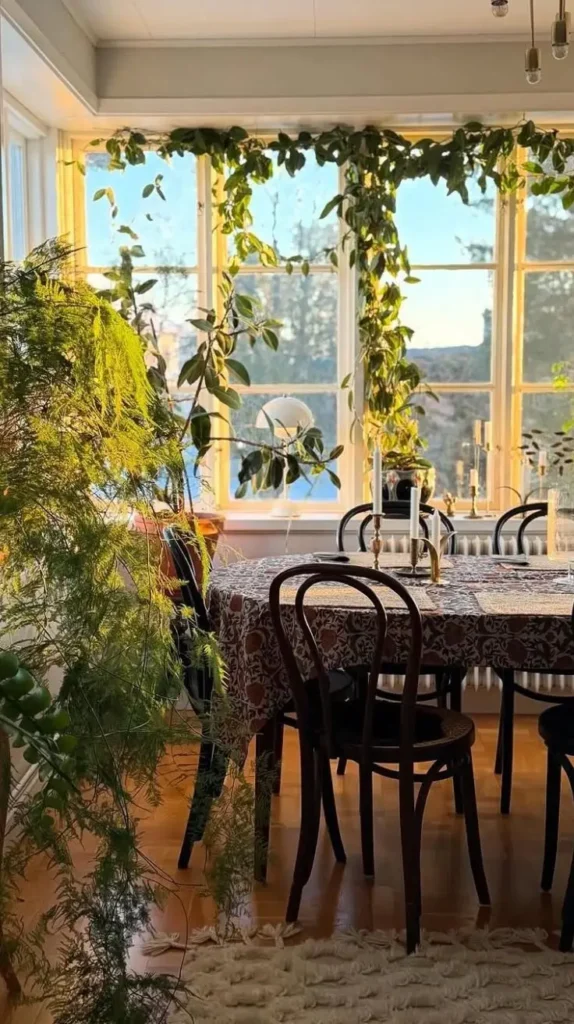
Plants can soften hard furniture edges and make a dining area feel fresher and more welcoming. They also introduce natural texture without requiring major changes to the room.
A large indoor plant placed beside a sideboard can fill an empty corner beautifully. Smaller plants can sit on shelves, windowsills, or a console table. If floor space is limited, hanging plants can add greenery without taking up valuable room.
Low-maintenance varieties such as pothos, snake plants, ZZ plants, and peace lilies can work well in many indoor environments, although their light and watering needs should always be considered.
Fresh flowers provide another easy decorating option. A small bouquet on the table can instantly make an ordinary meal feel special. Even a few branches arranged in a simple glass vase can create an elegant seasonal display.
Natural materials can reinforce the same feeling. Wooden bowls, woven baskets, rattan accessories, linen napkins, and stone serving pieces can add layers of organic texture. This combination creates a dining space that feels relaxed rather than overly decorated. And there’s something wonderful about sitting down for dinner surrounded by natural details.
Choose a Rug to Define the Dining Area
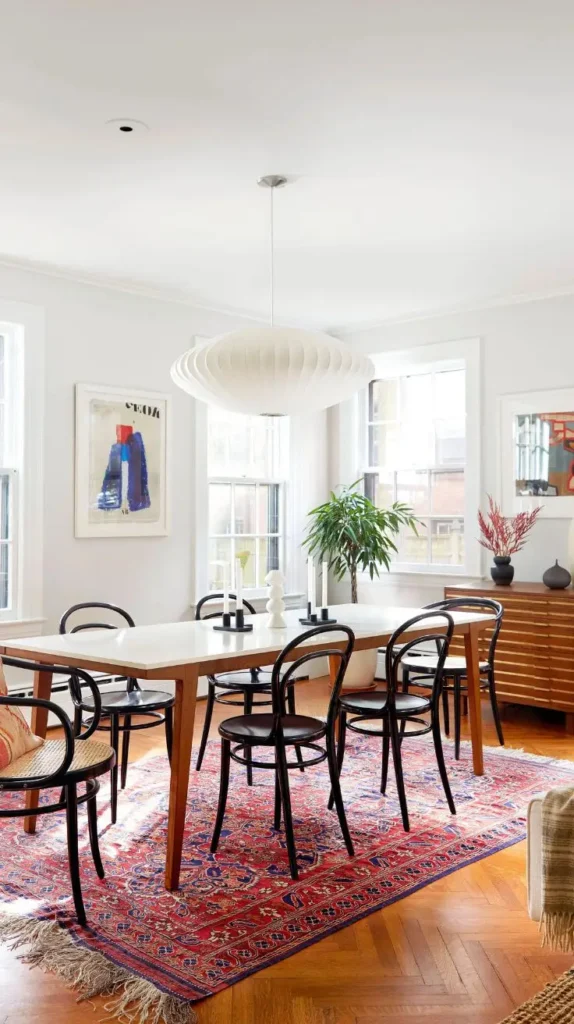
A rug underneath the dining table can anchor the furniture and visually define the dining zone, especially in an open-concept home. It also adds softness, pattern, and color beneath the table.
Size is one of the most important considerations. The rug should extend far enough beyond the table to allow chairs to remain on the rug when pulled backward. A rug that’s too small can look awkward and become frustrating during everyday use.
For busy households, durable and easy-to-clean materials are especially practical. Patterned rugs can also hide everyday marks better than very light solid designs.
Neutral rugs work well when the room already contains bold furniture or artwork. If the furniture is simple, a patterned rug can become the statement feature.
The rug doesn’t have to match every element in the room. Instead, look for colors that complement the existing palette. Soft beige, gray, cream, blue, green, or warm earth tones can create a cohesive appearance without making everything look identical.
A thoughtfully chosen rug adds more than decoration. It makes the dining space feel grounded, finished, and comfortable.
Read – Dining Room Rug Ideas
Style a Sideboard or Buffet
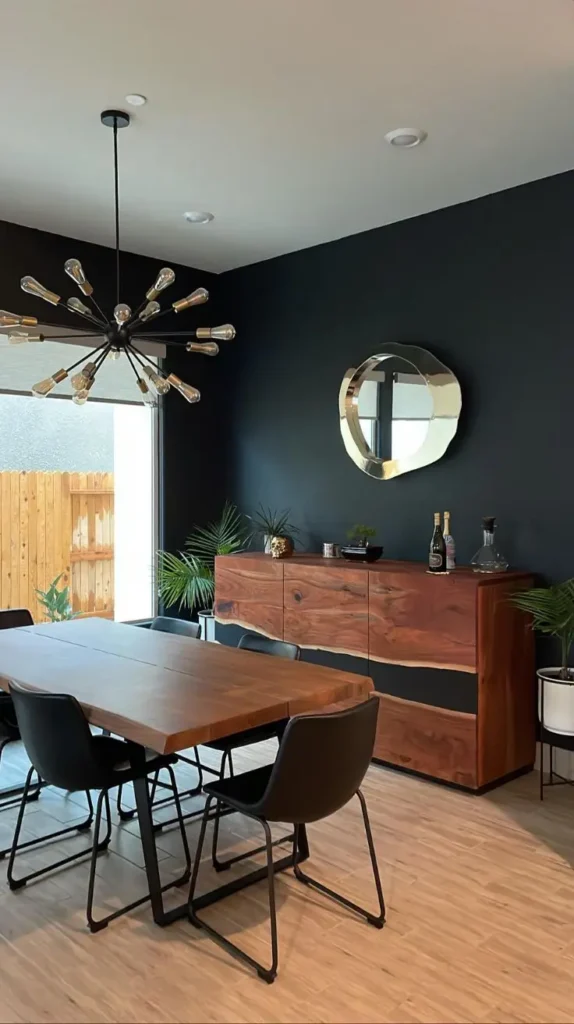
A sideboard is both practical furniture and a valuable decorating opportunity. It provides storage for dishes, table linens, serving pieces, and entertaining essentials while offering a generous surface for decorative accents.
Start with one large focal item, such as a mirror, artwork, or oversized piece of wall decor above the furniture. Then layer smaller objects across the surface. A pair of lamps can create symmetry, while a vase, decorative bowl, books, or candleholders can add personality.
Avoid filling every inch. Leaving some empty space helps individual objects stand out and prevents the arrangement from feeling crowded.
Storage baskets can hide less attractive essentials inside the cabinets, keeping the room visually calm. Decorative trays can also group smaller objects together, making the arrangement easier to maintain.
A sideboard is particularly useful during dinner parties because it can hold serving dishes and drinks away from the main table. This practical function makes it a worthwhile investment for both everyday meals and special gatherings.
Mix Dining Chairs for a More Relaxed Look
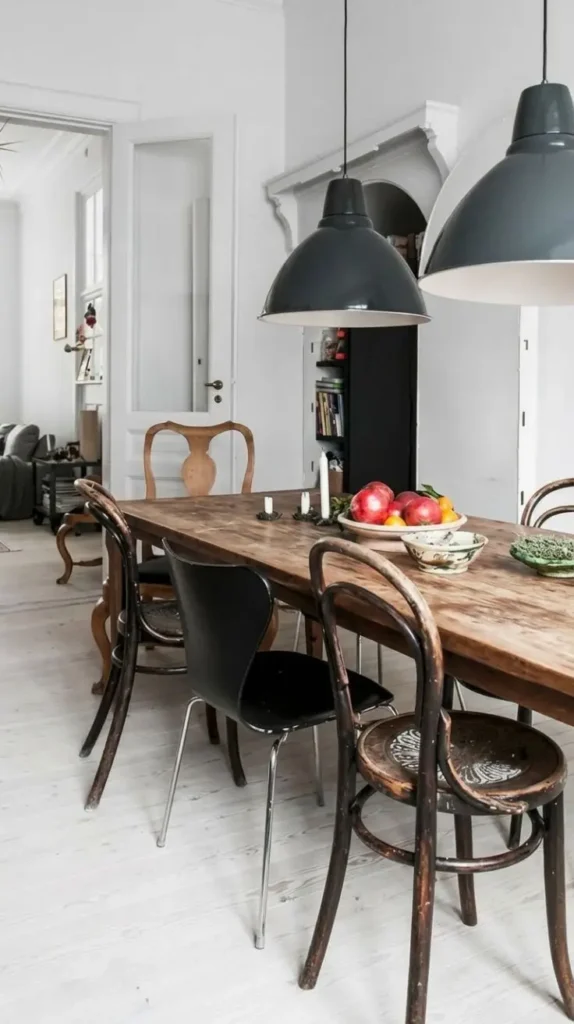
Dining chairs don’t always need to match perfectly. Mixing styles can give the room a relaxed, collected appearance and make the furniture feel more personal.
One approach is to use matching chairs around the table while choosing different chairs for the ends. Upholstered armchairs at the head of the table can create a slightly more formal appearance, while simple wooden chairs keep the sides casual.
Color can also be used to create variation. Several chairs in similar tones can look coordinated without being identical. For example, natural wood, cream upholstery, and soft black accents can work together beautifully.
Comfort should remain a priority. Dining chairs need to support long meals and conversations, so attractive design shouldn’t come at the expense of practicality.
For small rooms, chairs with slimmer profiles can make the space feel less crowded. Benches can also provide flexible seating and tuck neatly underneath the table when not being used. The result is a dining area that feels less like a showroom and more like a real home.
Add Beautiful Table Linens and Place Settings
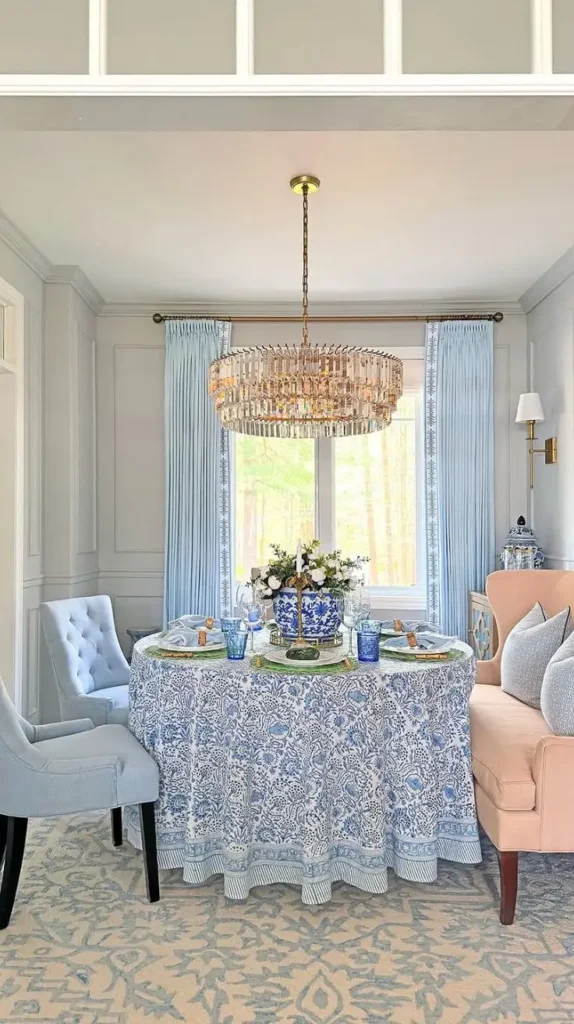
Table linens are small details, but they can have a major effect on the overall atmosphere. Napkins, runners, placemats, and tablecloths introduce texture and color while making everyday meals feel more intentional.
For a casual setting, woven placemats and cotton napkins can create a comfortable look. Linen napkins bring a more refined feeling, especially when folded simply beside each plate.
A table runner can emphasize the length of a rectangular table and provide a visual foundation for the centerpiece. Neutral fabrics are versatile enough for everyday use, while seasonal colors can refresh the room throughout the year.
Dinnerware also contributes to the overall design. White plates provide a timeless foundation, while handmade ceramic pieces can introduce warmth and character. Glassware, cutlery, and serving bowls should complement rather than compete with the main centerpiece.
There’s no need to reserve beautiful table settings only for holidays. Using attractive dishes and textiles during ordinary meals can make everyday life feel a little more special.
Introduce Warm Colors and Rich Textures
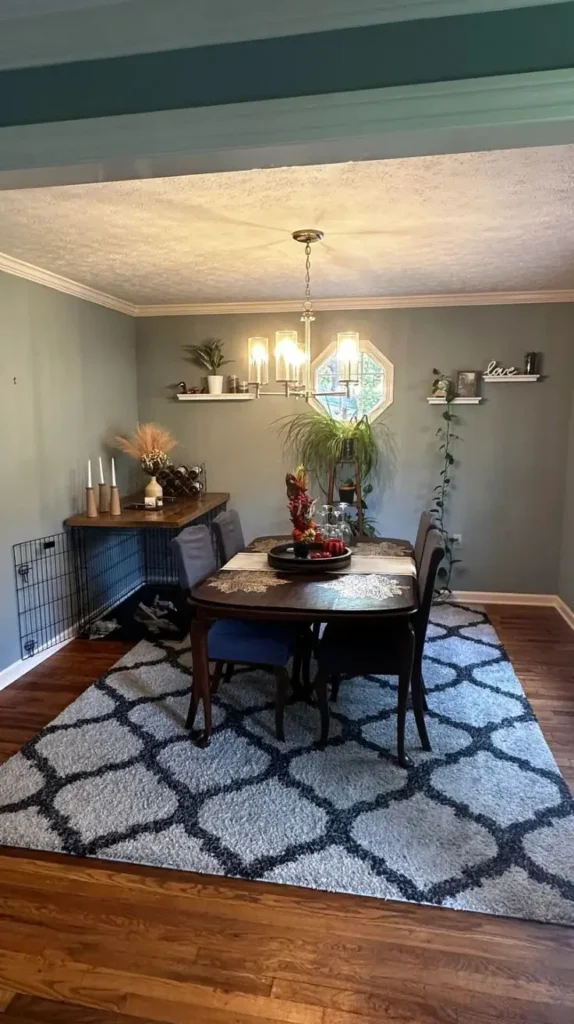
Color and texture can determine whether a dining room feels cold or inviting. Even a neutral space can become warm when layers of material and carefully chosen accents are introduced.
Earthy shades such as terracotta, olive green, warm beige, muted blue, and brown can create a comfortable atmosphere. Those who prefer a brighter room can use cream, soft white, pale green, or light blue as a foundation.
Texture is just as important as color. Combine smooth wood with woven materials, soft upholstery, ceramic accessories, glass, and metal finishes. These contrasting surfaces prevent a simple color palette from becoming boring.
Curtains are another useful way to add softness. Floor-length fabric panels can make windows feel more substantial and visually raise the ceiling.
Small accessories can provide stronger colors without overwhelming the room. Decorative vases, artwork, cushions, table linens, and flowers are easy to change when the desired look evolves. The secret is balance. Too many colors can make the room chaotic, while too few textures can make it feel flat.
Create a Cozy Dining Nook
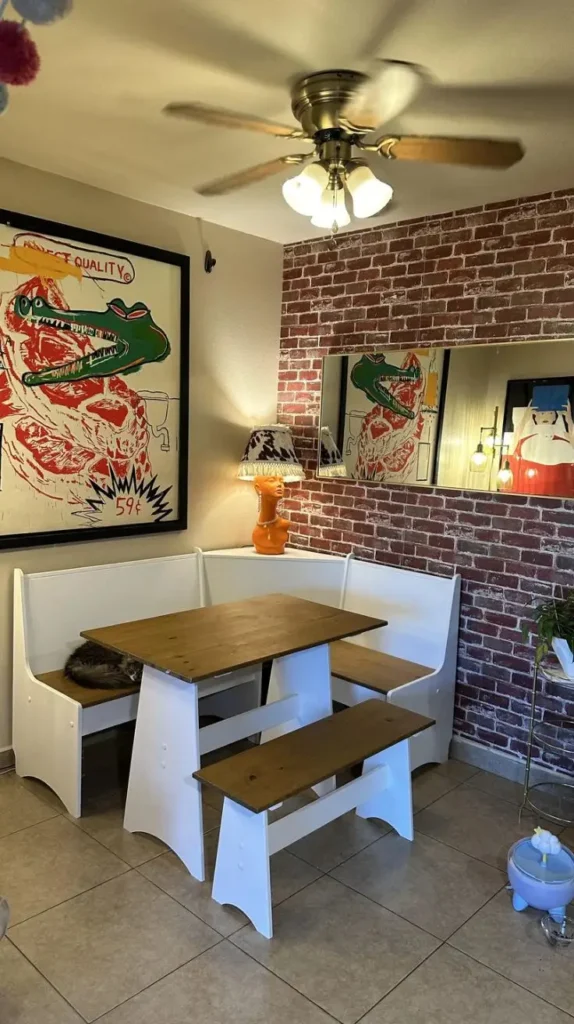
Not every home has a large formal dining room. A small corner can become an incredibly charming eating area with the right arrangement.
A built-in bench or compact upholstered banquette can make excellent use of a wall. Pair it with a small round or rectangular table and a few lightweight chairs. Round tables are particularly useful in compact rooms because they make movement around the furniture easier.
Wall-mounted lighting can save valuable floor and table space. Shelves above the seating area can hold artwork, plants, cookbooks, or decorative objects. A small rug can visually separate the nook from the surrounding kitchen or living area. Soft cushions can also make the seating more comfortable.
Color can help define the space. Painting the wall behind the dining nook in a slightly deeper shade can create a subtle focal point without requiring major renovation. This approach proves that a beautiful dining area doesn’t depend on square footage. Sometimes the smallest corner becomes the most memorable place in the home.
Read – Breakfast Nook Ideas
Add Seasonal Decorations That Keep the Room Fresh
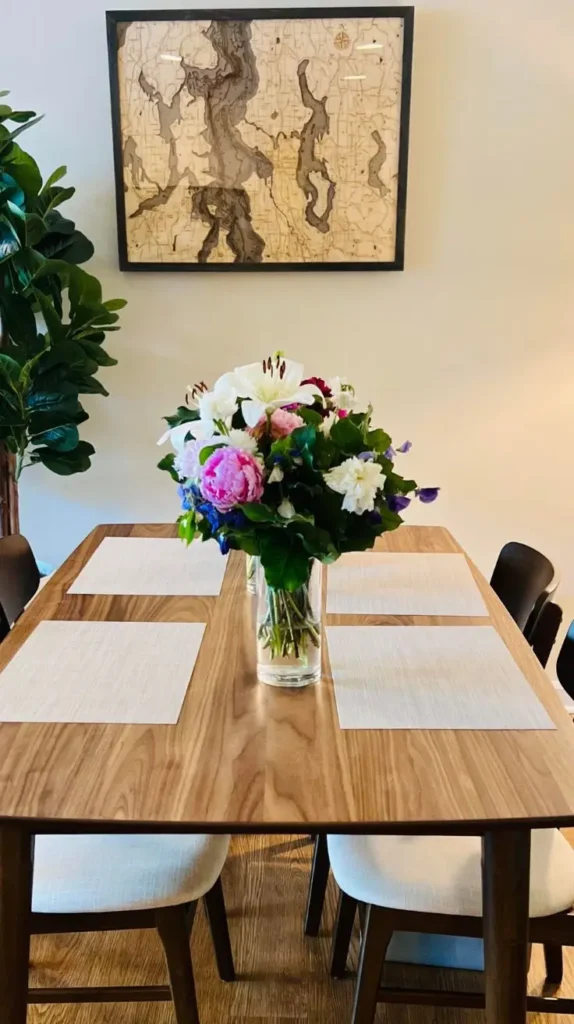
One of the easiest ways to keep a dining room interesting is to change a few decorative details throughout the year. There’s no need for a complete makeover every season.
In spring, fresh flowers, soft colors, and botanical accents can make the room feel bright and energetic. Summer can bring woven textures, fresh greenery, and lighter table linens. Autumn works beautifully with warm earth tones, pumpkins, dried foliage, and wooden accents. During winter, candles, evergreen branches, metallic details, and cozy textiles can create a welcoming atmosphere.
Seasonal decorating works best when it builds upon a consistent foundation. Keep the major furniture pieces neutral and change smaller accessories instead.
A vase can hold fresh flowers in spring and branches in winter. The same table runner can work with different napkins and centerpieces. A neutral sideboard can easily become a seasonal display area.
This approach keeps decorating affordable while allowing the room to evolve throughout the year. Each change creates a fresh feeling without making the space unrecognizable.
How to Pull These Dining Room Decoration Ideas Together
- Using too many decorating ideas at once can make the room feel crowded. The trick is to create a clear visual hierarchy.
- Start with the largest pieces: the dining table, chairs, rug, and lighting. Once those elements feel balanced, add wall decor and storage furniture. Smaller accessories should come last.
- A simple color palette can help everything feel connected. Choose one main neutral shade, one secondary color, and one or two accent tones. Repeat those colors subtly through artwork, textiles, flowers, and accessories.
- Texture can then add depth. Wood, linen, ceramic, glass, metal, and woven materials each contribute something different.
- Most importantly, leave room for everyday life. A dining room shouldn’t look so perfect that nobody feels comfortable using it. Plates will move. Flowers will wilt. Chairs will shift. That’s part of the charm.


