
Germany invented the car and yet the country that gave the world the internal combustion engine just recorded something that has never happened in the entire history of the automobile. And one can probably thank Trumps war with Iran which has increased petrol prices while the Chinese are presenting ever better and cheaper cars.
In June 2026, battery electric vehicles became the top-selling powertrain in Germany – outselling hybrids, petrol, diesel, and everything else on the market.
The Numbers That Rewrote History
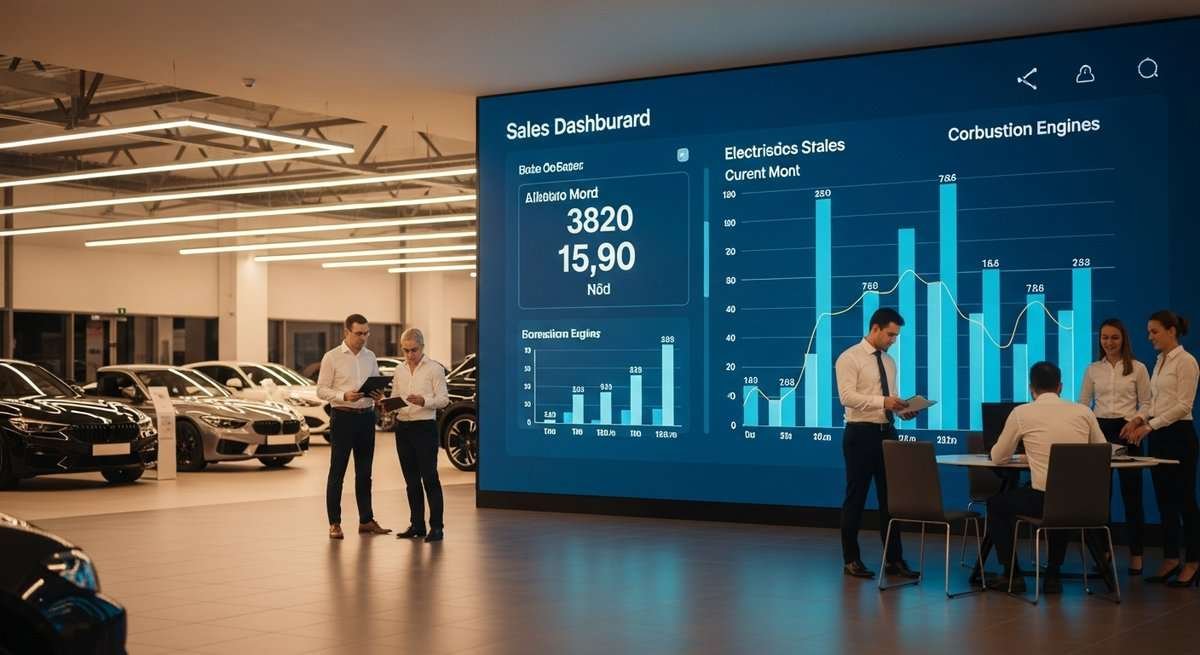
According to ADAC – Germany’s largest and most credible auto club – battery electric vehicles sold 84,057 units in June putting EVs at the top of the German sales chart for the very first time overtaking hybrids which came in just behind at 83,315.
That fact aside etrol cars, the foundation of the German automotive industry, managed just 60,796 sales. That’s nearly 25,000 units behind pure electric vehicles. Diesel, which dominated European roads not long ago, scraped together just 33,000 sales. Plug-in hybrids landed at around 32,000.
In market share terms, EVs claimed 28.4% of the German market in June – the highest share of any single powertrain type. Add plug-in hybrids at 10.9% and you get a remarkable combined figure: 40% of all new cars sold in Germany in June had a plug. Nearly four out of every ten. In the birthplace of the combustion engine.
And where it matters most – emissions – the shift is already showing up in real numbers. The surge in EV sales drove a 13.6% year-over-year reduction in average CO2 emissions from new cars sold in Germany. That is measured, verified reality.
How Germany Got Here After the Subsidy Collapse
When back in late 2023, the German government abruptly cancelled its EV purchase incentives as expected sales dropped and the German EV market dead and the entire transition was seen as stalling at best.
Fast forward roughly eighteen months, and the market has not just recovered – it has surged all the way to the top of the charts. Without any serious subsidies propping things up. Consumers are choosing electric because the products have become good enough and the value proposition actually makes sense. Prices have come down significantly. Charging infrastructure has matured. Range anxiety, while not completely gone, is a much smaller barrier than it was even three years ago.
This is not a government-mandated artificial boom. German consumers, historically conservative and deeply loyal to their domestic automotive industry, are buying electric cars in record numbers because they want to. That distinction matters enormously when thinking about where this trend goes next.
If you are thinking about making the switch yourself, a good starting point is understanding what the buying process actually looks like. This guide on how to buy and enjoy electric vehicles walks through the practical decisions involved, from choosing the right model to understanding total cost of ownership.
The Bigger Picture Across Europe
Germany is not just another car market in that it is and has always been one of the most influential automotive markets on the planet, and particularly within Europe. When EVs become the leading powertrain there for the first time ever, it signals something real about where consumer preferences and market forces are heading – not just in Germany, but across the continent.
Germany’s result also sits within a broader global story. China’s electric car revolution has been reshaping global supply chains and driving down battery costs for years, which directly benefits consumers in every market including Germany. Cheaper batteries mean more affordable EVs. More affordable EVs mean more adoption – that is the feedback loop working.
Simultaneously Germany has been a leader in other clean energy transitions as Heat pump sales already surpassed gas boilers in Germany in a similar milestone moment, suggesting that German consumers are willing to make the switch across multiple categories when the products and economics align.
Electric Is Now the Mainstream Choice
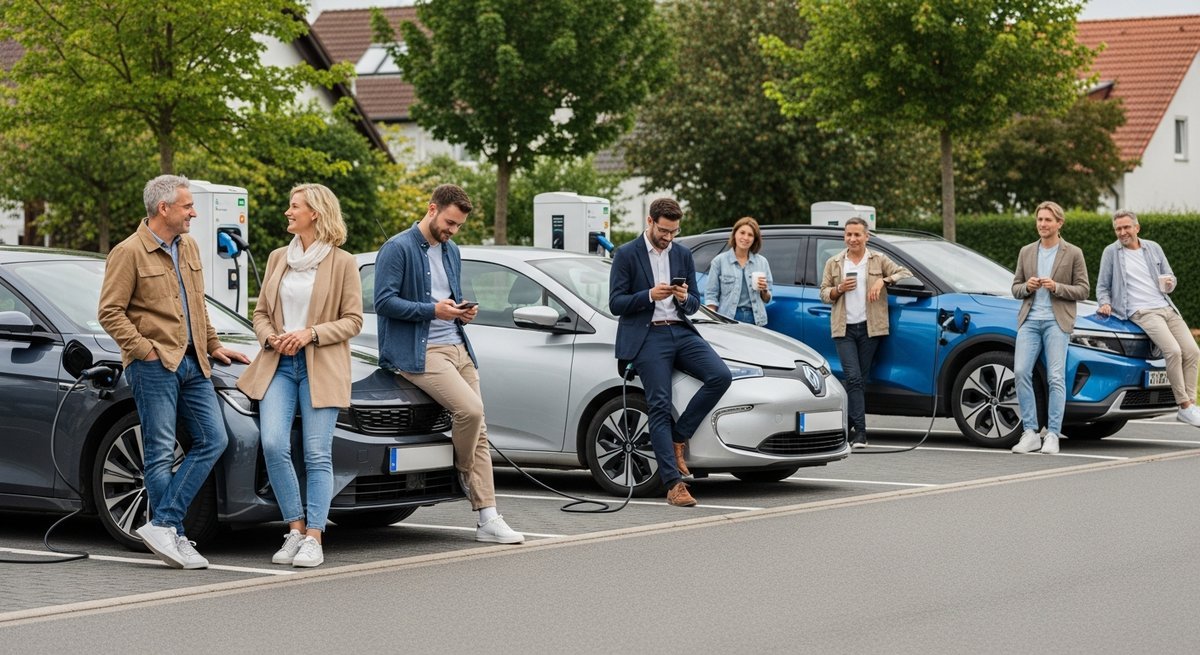
There is something culturally significant happening here that goes beyond the sales data. For years, buying an electric car in Germany – or anywhere in Europe, really – carried a certain connotation – that you were making an alternative choice. Maybe you were a bit of an eco-enthusiast or an early adopter willing snd financially able to put up with compromises.
That framing is gone as when EVs outsell every other powertrain type in the country that invented the car, electric is not the niche option anymore – it is the mainstream one.
That psychological shift is arguably as important as the sales numbers themselves as mainstream adoption does not happen when a product is still perceived as alternative or risky. It happens when the product is simply the obvious choice. Germany in June 2025 is evidence that we have reached that inflection point, at least in the monthly new-car market.
The country that gave the world the combustion engine just put the battery at the top of its own sales charts. If that does not tell you where this transition is heading, nothing will.
Frequently Asked Questions About Electric Cars in Germany
What milestone did Germany’s EV market reach in June 2025?
For the first time in history, battery electric vehicles became the top-selling powertrain type in Germany, outselling hybrids, petrol, and diesel vehicles in a single month. EVs recorded 84,057 sales, capturing 28.4% market share.
How reliable is the German EV sales data
The figures come from ADAC, Germany’s largest automobile club, which is widely regarded as one of the most credible sources for automotive data in Europe. These are verified registration numbers, not estimates or projections.
Did Germany have EV subsidies driving these sales?
No. Germany cancelled its main EV purchase incentives in late 2023. The June 2025 milestone was achieved without significant government subsidies, suggesting that consumer demand is now driven primarily by improved products and competitive pricing rather than financial incentives.
What share of the total German vehicle fleet is electric?
Despite the strong monthly sales figures, EVs and plug-in hybrids together make up only around 6% of all vehicles currently on German roads. Fleet turnover is a slow process because cars remain in service for ten or more years.
How did Germany’s EV growth affect CO2 emissions?
The surge in EV sales contributed to a 13.6% year-over-year reduction in average CO2 emissions from new cars sold in Germany in June 2025. This is a measured result, not a forecast.
Why does Germany’s EV milestone matter for the rest of Europe?
- Germany is one of Europe’s largest and most influential automotive markets
- Its consumer preferences tend to shape broader European market trends
- German automakers (BMW, Mercedes, Volkswagen) are major EV producers whose output affects global supply and pricing
- A strong German EV market signals to other manufacturers and policymakers that the transition is economically viable
What is the practical impact of rising EV adoption on petrol infrastructure?
As EV adoption grows and petrol consumption declines, some fuel stations – particularly those already operating on thin margins – will become economically unviable and close. This creates a gradual but self-reinforcing cycle that makes combustion vehicles less convenient over time.
What should I consider before buying an electric car?
- Total cost of ownership, including charging costs compared to fuel
- Home charging setup and whether your property can accommodate it
- Range requirements based on your typical driving patterns
- Available public charging infrastructure in your area
- Model availability and warranty terms from manufacturers
Sources
- ADAC (Allgemeiner Deutscher Automobil-Club) – June 2025 German vehicle registration data
- Electric Viking – EV market analysis and transcript sourced for this article
- Green.org editorial research and linked resources
This article is for informational purposes only.
Reference: https://www.youtube.com/watch?v=DuuATR897vo
The post Electric Cars Take the Top Spot in Germany appeared first on Green.org.


