
Unhoused encampments on private property topped concerns at the Ontario Federation of Agriculture’s Rural Trespass and Property Access webinar in June.
Why it matters: Understanding property rights is becoming more important for farmers as encampments and trespassing become more common in rural areas.
OPP Sgt. Jill Johnson, West Region community mobilization and engagement co-ordinator, acknowledged that incidents of encampments and unhoused individuals on private property are on the rise.
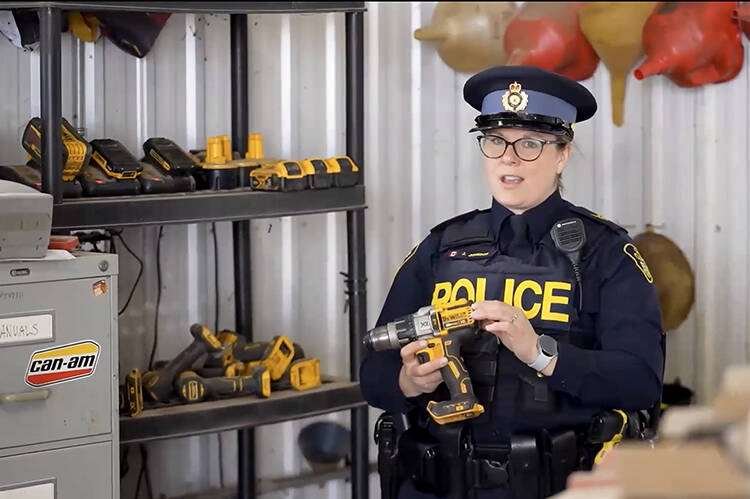
“If you own a property and someone doesn’t have permission to be there, then you can ask them to leave,” Johnson confirmed for the 225 attendees. “If they’re not leaving, then police can come and get involved.”
She cautioned that dealing with unhoused people or encampments can be sensitive and advised landowners to arrange a meeting with local police authorities ahead of time, because response times can vary.
Police assistance with trespassers
“It’s a sensitive topic when you’re dealing with people who are unhoused, and there could be other factors at play as well when it comes to safety,” she said.
In cases where an encampment is well established, Johnson said OPP Mental Health Response Teams can work with clinicians to help connect people with services or housing.
She suggested landowners check with their local police authority, if it isn’t the OPP, to see whether similar support teams are available.
“If this has been someone’s home for a little period of time, (we’re) trying to get them connected,” she said. “And not just booting them out without any empathy to what that person’s experiencing.”
The process can take time, she said, but someone living illegally on private land does not gain “squatter’s rights” or rights under landlord-tenant laws.
“It just means that maybe we need to do a little bit of connection before we can get things resolved in a peaceful way,” she said.
No right to retrieve
Drew Pegrum, a conservation officer with the Ministry of Natural Resources, said trespass-related offences are common during hunting season, particularly for deer hunting, and advised farmers to contact police for safety.
“You have the right to determine who is, and is not, on (your) property. Just make sure, if you’re contacting these individuals, do so in the safest manner possible,” he cautioned, adding that such encounters can be confrontational and that police assistance is the safest option.
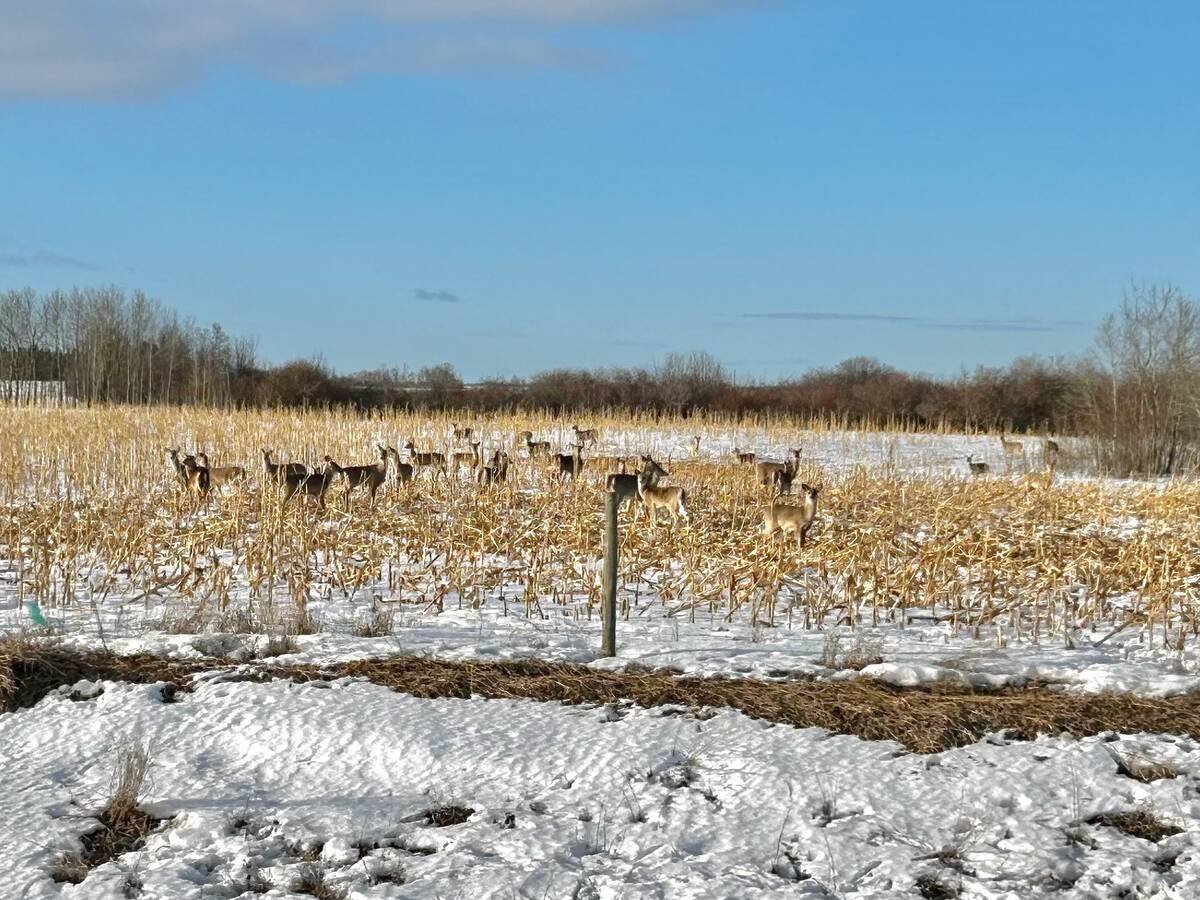
He said there is no “right to retrieve” in Ontario. If you’re hunting on property with permission and the deer takes off and dies on a property you do not have permission to enter, you’re required to connect with the landowner for permission. Otherwise, you could be charged.
Pegrum said landowners may be better off working with hunters to retrieve the animal, even if they accompany them, so the deer is not wasted or left to attract predators.
Posted no trespassing signs apply only to people who do not have permission to be on the land.
It does not apply to hunters with verbal or written permission to hunt that land. That said, Pegrum suggests clear communication and documentation to address hunting-related issues on private property.
Trail access on private land
Johnson said if you’ve agreed to allow a public-access trail through your land, that is not the same as giving someone permission to hunt or forage on your land.
“Just because the trail has been designated to go across someone’s private property doesn’t then change the ownership of the property,” she said. “By someone removing things from their property that doesn’t belong to them, that would be considered theft.”
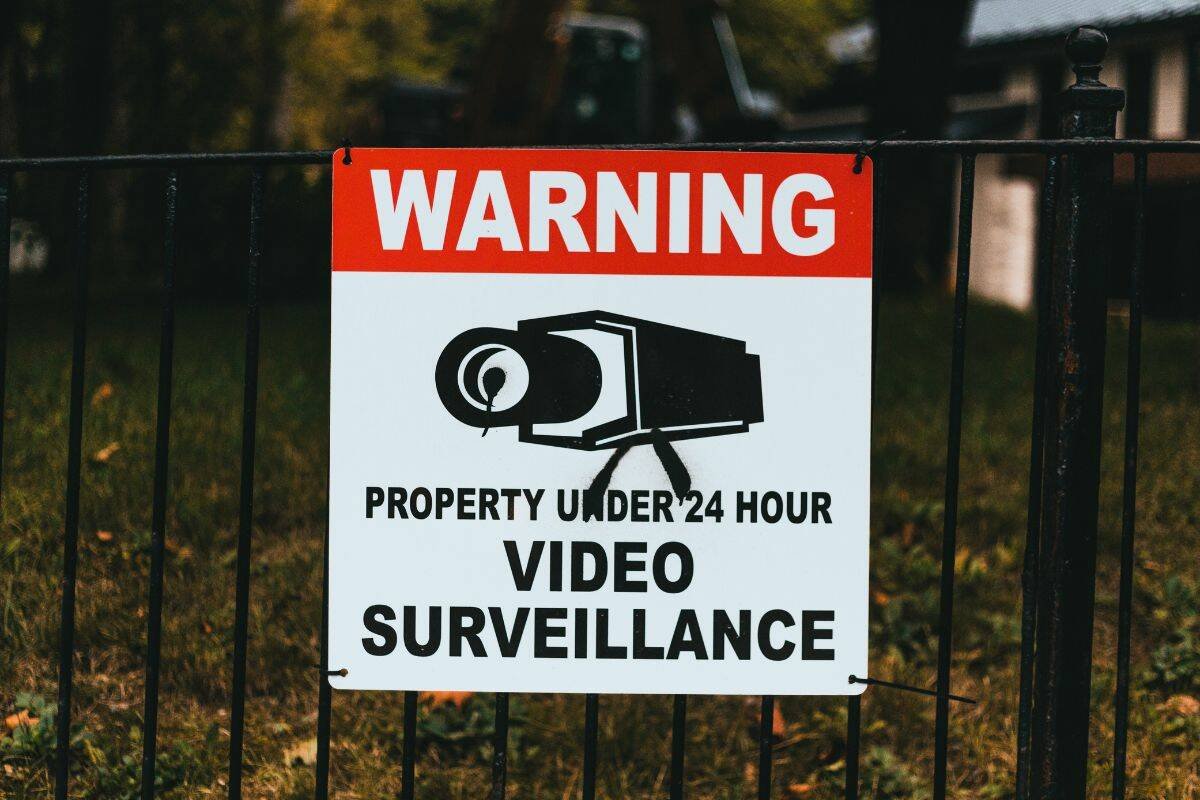
She suggested trail cameras and additional no trespassing signs to reinforce the message.
Pegrum said the spring leek harvest, which lasts about 20 days, may require extra signage reminding people not to leave the trail or harvest without permission.
Concerns were raised about potential liability for posting no trespassing or beware of dog signs, especially if people get injured.
Johnson said no trespassing signs make it abundantly clear that, unless you have permission, you shouldn’t be on the land.
“Unless you’re setting traps for people, or something intentional, or that you ought to reasonably know would cause harm to other people, I can’t imagine that being looked at as criminal,” she said. “Because, with criminal, you have to have intent.”
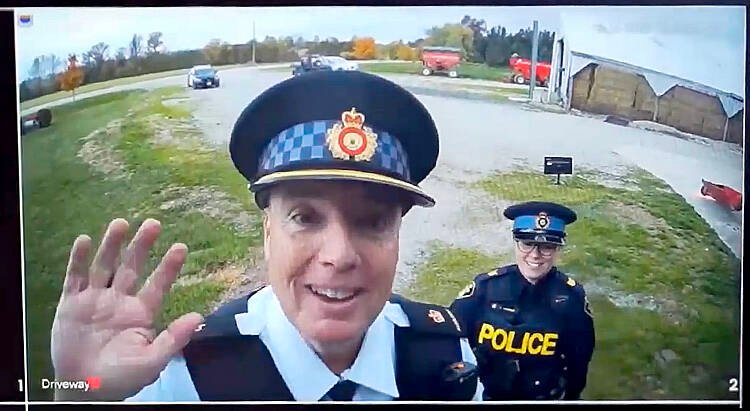
Pegrum said the Occupiers’ Liability Act is based on the idea that landowners must take reasonable steps to make their property safe.
For example, if you have an open pit, you erect a fence or, at a minimum, have pit signage. You don’t put barbed wire at head height.
“A lot of the Occupiers’ Liability Act is eliminated by properly signing or fencing your property,” he explained.
The Security from Trespass and Protecting Food Safety Act already protects land used for agricultural purposes, with or without signage.
“To further cover your rear end, signage is potentially the most appropriate avenue to help yourself out,” said Pegrum.
The post Encampments top concerns at OFA rural trespass webinar appeared first on Farmtario.


