A proposed housing development in Guelph’s south end is causing a beef with many cattle farmers.
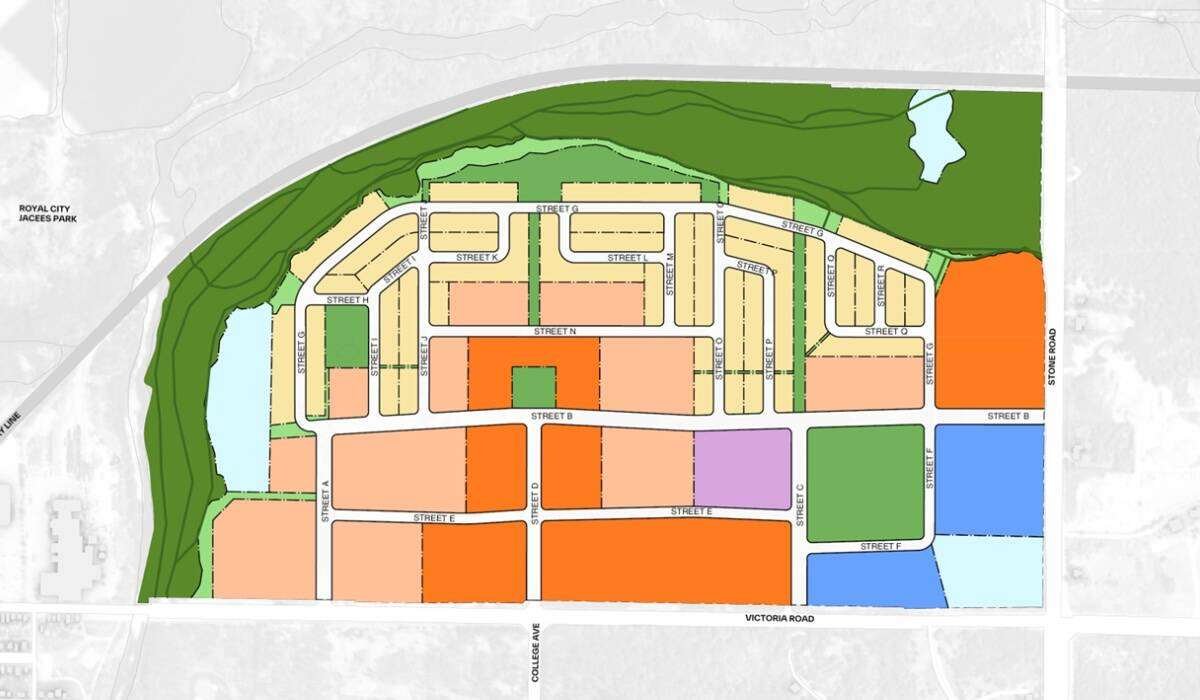
The Fusion Homes proposal includes buildings up to 18 storeys, 4,700 to 5,040 medium- and high-density residential, mixed-use, institutional (school) and park use near Cargill’s beef processing plant at 165 Dunlop Drive and its case-ready meat processing facility at 180 Watson Parkway South.
WHY IT MATTERS: The Guelph Cargill operation is one of the few processing options for cattle farmers in Ontario and Eastern Canada.
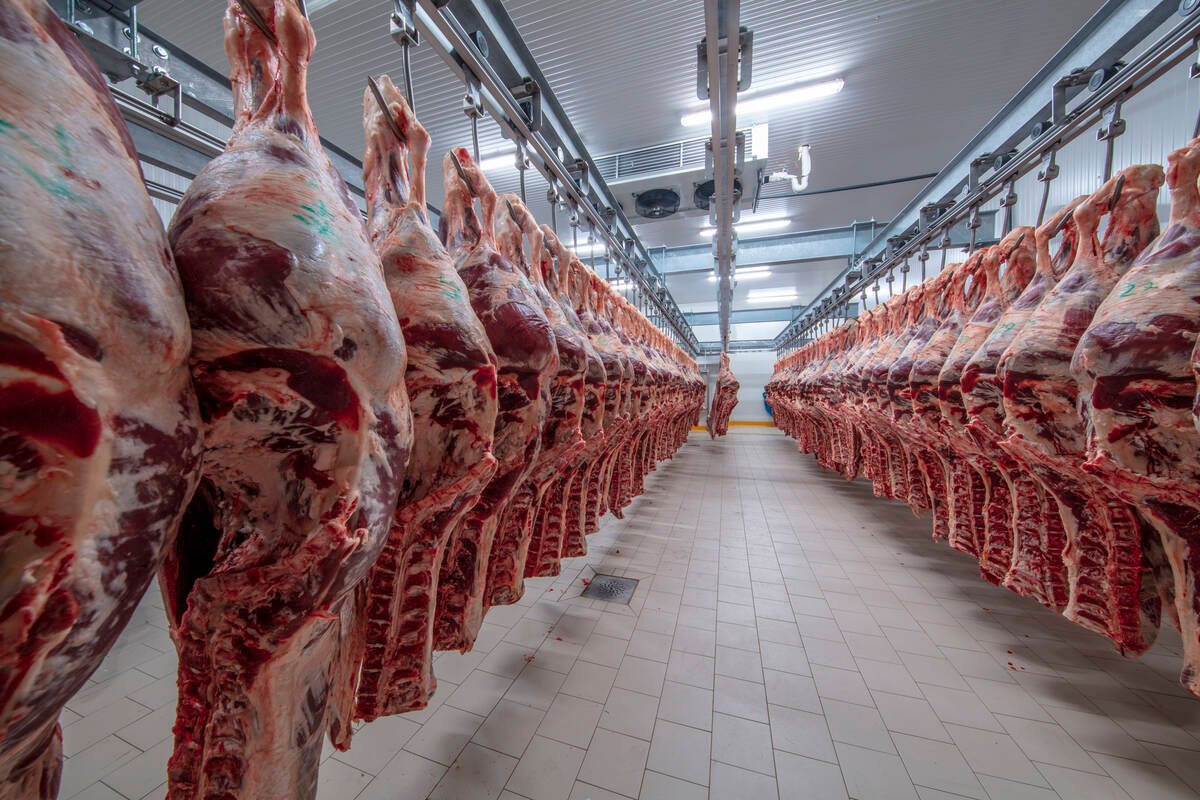
Cargill’s Class III industrial beef processing plant handles about 1,500 head of cattle daily, accounting for nearly 75 per cent of Ontario’s cattle processing and about two-thirds of federally inspected beef processing capacity in Eastern Canada.
Potential capacity impact
Farmers are concerned the development may hinder further plant expansion and limit capacity in an already capacity-strapped industry.
“Cargill is a very important processor in Eastern Canada for mostly beef and we’re very lucky to have it so close to our farmers,” said Barclay Nap, president of the Wellington Federation of Agriculture.
The organization represents 503 beef farmers across Wellington County, accounting for six per cent of Ontario’s beef farmers.
Nap, a Puslinch-area farmer, said the federation has fielded concerns from farmers worried that losing access to the facility could force them to transport livestock over long distances to regions such as Alberta or Indiana.
He is concerned the proposed development could jeopardize the facility’s access to resources such as water and electricity, saying the organization is waiting for study results that will determine potential mitigation measures.
What farm groups asked the city
FIVE REQUESTS
- Treat Cargill’s operations as critical food-processing infrastructure in planning and zoning decisions
- Limit new residential and other sensitive land uses next to the plant
- Keep zoning from limiting Cargill’s ability to operate, reinvest or expand
- Protect transportation and livestock-trucking access
- Consider long-term compatibility in future development decisions
Source: Joint letter to the City of Guelph from five Ontario farm and food groups
In a letter to the City of Guelph, the Beef Farmers of Ontario (BFO), Ontario Cattle Feeders’ Association, Grain Farmers of Ontario, Meat & Poultry Ontario and Ontario Pork raised concerns about the development’s proximity to Cargill’s Guelph operations and the potential for long-term land-use conflicts.
“Cargill’s Guelph operation is not simply another industrial business within the city. It is one of the most important pieces of food-processing infrastructure in Ontario and Eastern Canada and is fundamental to the economic viability of Ontario’s beef sector, and the broader Canadian beef sector and agri-food sector,” the letter stated.
It called on the City of Guelph to treat Cargill’s operations as critical food-processing infrastructure when making planning and zoning decisions involving surrounding lands. It noted that large-scale meat processing is an intensive industrial and agricultural activity.
The organizations called on the city to limit, to the greatest extent possible, new residential and other sensitive land uses immediately adjacent to Cargill’s operations.
It also asked the city to ensure zoning decisions do not constrain Cargill’s ability to operate, reinvest or expand, and to protect transportation and livestock-trucking access to the facility. Finally, the organizations called for long-term compatibility with the facility to be considered in future development decisions.
“Ontario farmers depend on this facility, Guelph’s economy benefits from it, and the resilience of Ontario’s food system requires it,” the letter said.
Industry impacts
Beef Farmers of Ontario executive director Richard Horne noted that as one of Canada’s largest beef-processing facilities, it plays a vital role in supporting cattle movement through the supply chain and connecting Ontario beef to domestic and international markets.
“Any restrictions on Cargill’s ability to operate or expand would have significant consequences for the sector, particularly for Ontario and Eastern Canada,” he said, calling on governments to invest in the Ontario beef-processing sector and protect the ability for facilities like Cargill to operate and grow.
He said BFO’s concern is the risk of compromising the facilities’ long-term competitiveness and ability to grow, adding that a new development introduces greater complaint and conflict potential with nearby residents.
“Over time, those complaints can lead to pressure for additional restrictions, operational changes or costly mitigation measures,” he said.
Horne believes maintaining appropriate separation between industrial operations and residential development, protecting transportation routes and ensuring zoning decisions don’t limit a facility’s ability to operate, reinvest or expand must be addressed before the project moves forward.
“We believe municipalities need to take a long-term approach to protecting established agricultural and food processing infrastructure when making land use decisions,” he explained.
What Cargill says
Farmtario reached out to Cargill for comment on the proposed development. The company said it supports responsible growth and housing development in Guelph.
“We have concerns about the proposed development’s proximity to existing food processing operations and the potential implications for long-term land use compatibility. Further technical work is required to be completed to demonstrate how compatibility between the proposed development and existing industrial operations would be achieved,” a Cargill spokesperson said.
The spokesperson added that the Guelph facilities are a critical link in Ontario’s agri-food sector, connecting livestock producers to markets and supporting local jobs. The company said planning decisions should consider both future growth and the long-term viability of existing food production infrastructure.
“We continue to engage constructively with all relevant parties, with a shared focus on meaningful and productive outcomes,” the spokesperson said.