Farming operations looking to diversify their income are exploring ‘overnight farm stay’ potential for generating additional revenue.
Recent Airbnb figures show Canadian farm-stay hosts earned nearly $15 million in 2025, with Ontario and British Columbia accounting for almost 70 per cent of Canadian farm stay listings and earnings combined.
The platform connects travellers with individual hosts rather than hotels or bed-and-breakfasts and hosts with booking and guest-management tools for a share of the booking fee.
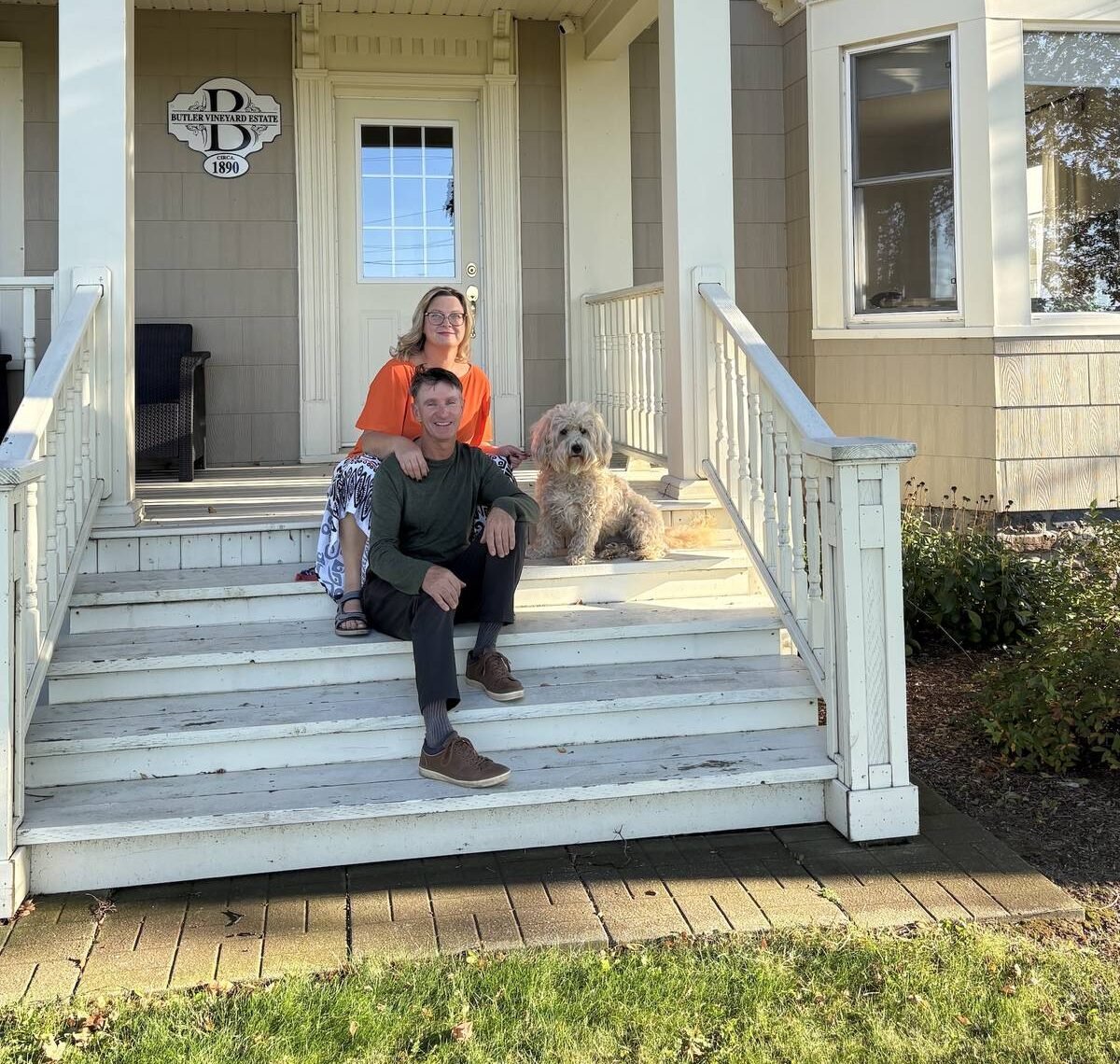
Rick and Cheryl Smith have experienced the financial and educational benefits of hosting guests at Butler Vineyard Estate in Niagara-on-the-Lake, where they grow VQA grapes for local wineries. The couple believe agritourism, through platforms such as Airbnb, is vital to agricultural sustainability and helping keep family-owned farmland viable amid pressure from larger agricultural operations.
“Butler Farms have been in my husband’s family for generations. What running the B&B has enabled our family to do is carry on the tradition of farming this land,” Cheryl said, adding the property’s existing 1890s farmhouse now serves as guest accommodations. “It’s transforming that unused asset to provide a financial buffer for the farm and ensure that the land stays financially viable in the future.”
Immersive experiences
Guests are welcome to explore the farm, ask questions and develop an appreciation for the land and farming community.
“They see farming first-hand while they’re here, so we’re providing an authentic experience for them while they’re having their own private retreat,” Cheryl said.
Allowing guests access to Butler Vineyard Estate, including a behind-the-scenes peek into vineyard operations, is rewarding, Rick said.
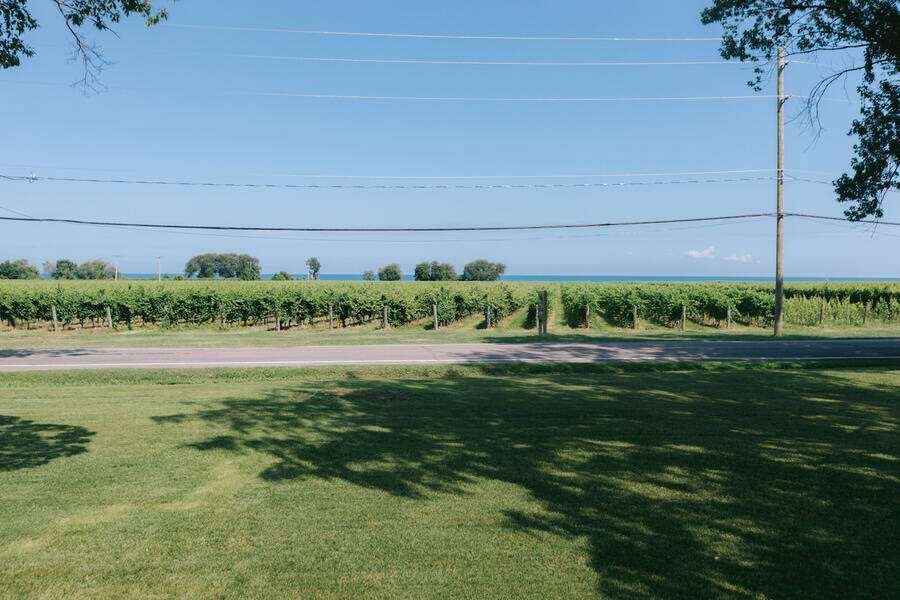
“They have access to going into the vineyard, actually seeing where the grapes come from and seeing how they’re grown,” Rick explained. “I enjoy that and I like people seeing what we do.”
Challenges
Despite the idyllic setting, the couple have faced challenges establishing their Airbnb operation, including the pandemic limiting the number of guests they could accommodate and, more recently, strained Canada-United States relations resulting in fewer guests from south of the border.
“Our American clientele may have decreased somewhat, but we’re getting tons of repeat guests,” Cheryl said, noting European and Canadian visitors are on the rise.
Kevin Vallier, executive director of Agritourism Ontario, said the industry welcomes the growing interest in farm stay vacations.
“Short-term rental platforms can certainly create additional opportunities for Ontario farmers to diversify their revenue,” Vallier said.
Economic impact
Vallier said farm stays also present opportunities to turn a short visit into a more immersive agricultural experience.
“Instead of visiting a farm for a few hours, guests could spend more time experiencing rural life and learning about agriculture,” he said. “Experiences like guided farm tours, agricultural workshops, food and beverage tastings, farm-to-table dining and seasonal activities, for example.”
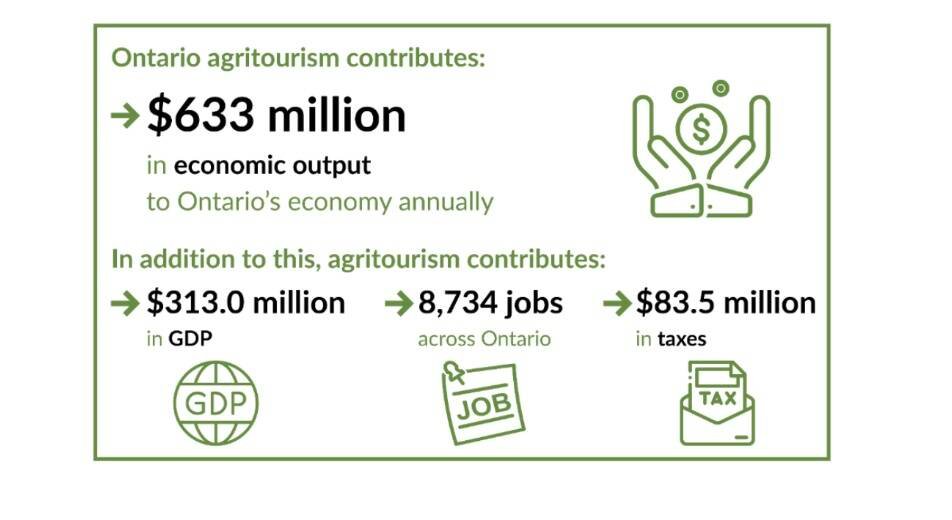
Vallier said the economic benefits of agritourism extend beyond individual farms.
Overnight visitors to rural communities also spend money at local restaurants, wineries, farmers’ markets, shops and other tourism attractions, strengthening connections between consumers and the people who produce their food.
“At Agritourism Ontario, we believe one of the sector’s greatest strengths is its ability to create connections between farms, local businesses and rural communities,” Vallier stated. “A successful agritourism operation doesn’t just benefit the farmer. It can help strengthen the entire local visitor economy.”
Regulations
The Smiths recommended farmers check local town or community Airbnb guidelines, growth and Airbnb plans before deciding to invest in a farm stay revenue stream.
Municipal zoning, building requirements and local approval processes can vary significantly, Vallier said, making regulations a key consideration for farmers exploring accommodations or other diversification opportunities.
Agritourism Ontario is encouraging collaboration of governments, municipalities and industry organizations to clarify zoning, building requirements and local approval processes, making them more consistent, while protecting agricultural land and farming operations.
“Our vision is an agritourism sector where farmers have the opportunity to diversify their operations, strengthen their financial sustainability and introduce more people to Ontario agriculture,” Vallier said. “Farm accommodations can certainly be a part of that future.”