

Australians have embraced rooftop solar faster than almost any other country, with more than four million rooftop solar systems now installed nationwide. As electric vehicle (EV) ownership continues to grow, more households are looking for smarter ways to power their cars using clean, affordable solar energy. Solar EV charging optimisation helps homeowners maximise self-generated electricity, reduce charging costs, and minimise reliance on the electricity grid.
Instead of simply plugging in whenever convenient, the right charging strategy allows you to capture more daytime solar production while reducing electricity bills. Whether you’re new to EV ownership or already have rooftop solar, understanding solar EV charging optimisation can help you get more value from both investments.
Expert tip
The cheapest electricity you’ll ever use is the solar power you generate yourself. Aligning EV charging with peak solar production significantly increases solar self-consumption and reduces grid imports.
Powering up your EV with solar
If you’re thinking of buying an EV, adding an EV charger to your solar system is a smart way to “fuel” your car with clean, renewable energy.
Why solar EV charging optimisation matters
When you charge your EV using solar panels intelligently, more of your vehicle’s energy comes directly from your rooftop rather than from purchased electricity.
Your solar panels often produce their highest output between late morning and mid-afternoon. Unfortunately, many EV owners charge overnight when solar production has stopped, meaning electricity is imported from the grid. Practising solar EV charging optimisation helps you:
- Lower electricity costs
- Increase solar self-consumption
- Reduce feed-in exports
- Minimise carbon emissions
- Improve return on your solar investment
Charge your EV when solar production peaks
Even shifting part of your charging schedule to daylight hours can noticeably reduce charging costs.
One of the easiest ways to optimise solar EV charging is to charge during peak solar hours. For most Australian homes, solar generation peaks between approximately 10:00 am and 3:00 pm. Charging during this period lets your vehicle draw electricity directly from your solar panels rather than the grid. The best time to charge your EV with solar depends on:
- Weather conditions
- Season
- Roof orientation
- Household electricity demand
Expert tip
If you work away from home, consider charging on weekends or scheduling charging on work-from-home days to maximise solar production.
Use a smart EV charger
Many modern chargers can also prioritise surplus solar power before importing electricity from the grid. A smart charger takes solar EV charging optimisation to the next level.
Unlike standard chargers, smart EV chargers communicate with your home’s solar system and automatically adjust the charging speed based on available solar generation. This process is often called solar smart EV charging. Benefits include:
- Automatic charging adjustments
- Reduced grid imports
- App-based monitoring
- Remote scheduling
- Better energy management
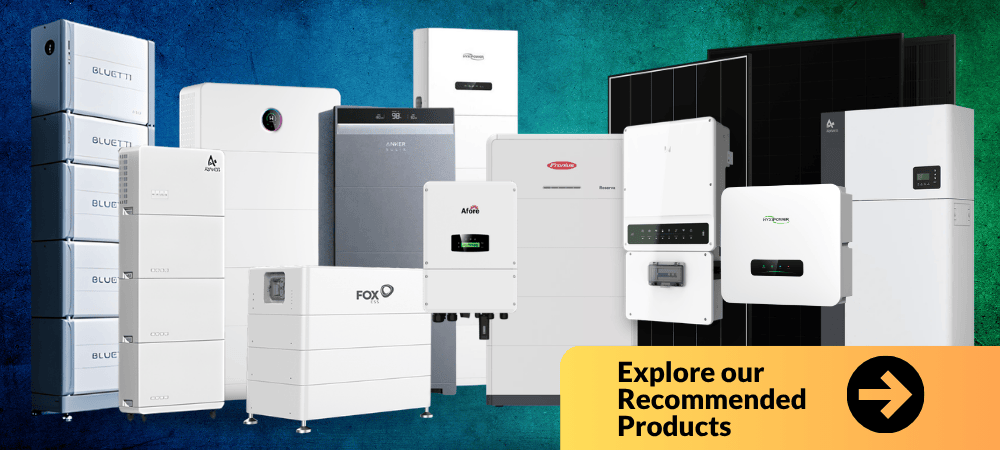
Check our page for our recommended EV charger products.




Make use of EV solar divert technology
EV solar divert technology is an increasingly popular feature. For households that generate more solar power than they use during the day, an EV solar divert function makes excellent financial sense.
Rather than exporting surplus electricity to the grid at a relatively low feed-in tariff, an EV solar divert system automatically redirects excess solar generation into your vehicle. Benefits include:
- Higher solar self-consumption
- Reduced export losses
- Lower charging costs
- Improved return on investment
Expert tip
Homes with larger solar systems often benefit most from EV solar diversion because they regularly produce excess daytime electricity.
Add a home battery for greater flexibility
Solar battery storage systems make solar EV charging optimisation even more effective. Although batteries require a higher upfront investment, they provide additional flexibility for households unable to charge during the day.
Rather than wasting unused daytime generation, batteries store excess solar energy for later use. This allows EV owners to charge after work while still using solar-generated electricity. Benefits include:
- Evening charging from stored solar
- Backup power during outages (depending on system)
- Increased solar utilisation
- Lower evening electricity costs
Expert tip
Batteries deliver the greatest value when paired with smart charging software that prioritises household loads over EV charging.
Use Energy Matters’ easy-to-use solar power and battery storage calculator to determine the size of your solar system with storage! Our solar calculator will generate performance information and potential savings.
We can send this information to 3 of our pre-vetted, trusted local installers in your area so they can provide obligation-free solar quotes and take the first step toward true energy independence!

Right-size your solar system
A larger solar array often provides sufficient daytime generation to maximise solar for EV charging without significantly increasing reliance on the grid. Many early rooftop solar systems were designed solely to offset household electricity consumption.
Today’s EVs significantly increase electricity demand, making system sizing a key part of solar EV charging optimisation. When considering expansion, assess:
- Current solar capacity
- Daily EV driving distance
- Household electricity usage
- Future EV purchases
- Battery plans
Expert tip
If replacing your inverter, consider future EV charging requirements rather than only current household consumption.
Monitor your energy usage
These insights help refine solar EV charging optimisation strategies over time.
Regular monitoring also indicates whether charging schedules need seasonal adjustments. You can’t improve what you don’t measure. Modern monitoring platforms allow homeowners to see:
- Solar production
- Household consumption
- EV charging
- Battery usage
- Grid imports and exports
Expert tip
Review your energy dashboard every few weeks, especially after daylight changes with the seasons.
Common mistakes to avoid
Small adjustments often yield meaningful long-term savings. Many households unintentionally undermine the effectiveness of their solar investment. Avoid these common mistakes:
- Charging exclusively overnight
- Oversizing EV charging speed
- Ignoring smart charging settings
- Exporting excess solar unnecessarily
- Not reviewing seasonal production
Expert tip
Review charger settings after software updates, as manufacturers regularly introduce new solar optimisation features.

Key takeaways
- Match EV charging to peak daytime solar production whenever possible.
- Smart chargers automate solar EV charging optimisation, increasing savings.
- EV solar divert technology efficiently captures surplus solar energy.
- Solar batteries provide greater charging flexibility outside daylight hours.
- Regular monitoring helps continually maximise solar for EV charging.
Frequently asked questions
What is solar EV charging optimisation?
Solar EV charging optimisation is the process of matching EV charging with rooftop solar generation. It helps increase self-consumption, reduce electricity bills, minimise grid imports, and maximise the financial return from both your solar panels and electric vehicle.
What is the best time to charge an EV using solar?
The best time to charge an EV with solar power is typically between 10 am and 3 pm, when solar generation peaks. Exact times vary by your location, weather, roof orientation, and household electricity usage.
Do I need a smart charger for solar charging?
No, but a smart charger significantly improves solar smart EV charging by automatically adjusting charging speeds to match available solar generation. It offers greater convenience and higher solar self-consumption than manual scheduling.
What does EV solar divert do?
An EV solar diversion system automatically redirects surplus solar electricity to your vehicle rather than exporting it to the electricity grid. This increases solar self-consumption and often delivers better financial returns than relying solely on feed-in tariffs.
Can I charge an EV entirely from solar?
Yes, many Australian households can charge EVs entirely from rooftop solar on sunny days. Achieving full solar charging depends on system size, daily driving distance, charging schedule, and available sunshine.
Ready to maximise your solar investment?
Whether you’re installing your first EV charger or upgrading an existing solar system, solar EV charging optimisation helps you reduce electricity costs while making better use of renewable energy. Smart charging technology, solar batteries, and intelligent scheduling all contribute to greater savings and cleaner transport.

Power your EV smarter with Energy Matters
Discover the right solar system, battery, and EV charging solution tailored to your home.
 Get a FREE Solar & EV Charging Assessment
Compare trusted Australian installers
Receive expert advice
The post How to Maximise Solar Charging for Your Electric Vehicle appeared first on Energy Matters.


