
Demand for Sunrise Potato’s SP327 potato variety is growing, but seed production remains a stumbling block.
“We can’t produce enough seed; that’s the problem,” Sunrise founder Peter VanderZaag explains.
“Out west they want more, more, more. I just talked to a guy this morning. They want 19,000 bags of seed. For Alberta alone.”
Despite the challenges meeting demand, VanderZaag said SP327 is a success story for the Alliston-area potato producer, as Old Dutch Foods and, more recently, Shearer’s Foods, with processing facilities in Ontario and Alberta, have procured the variety for chip production.
“Now, it’s a winner. Before it was still in doubt,” VanderZaag said. “Even Shearer’s was in doubt, but now they are convinced.”
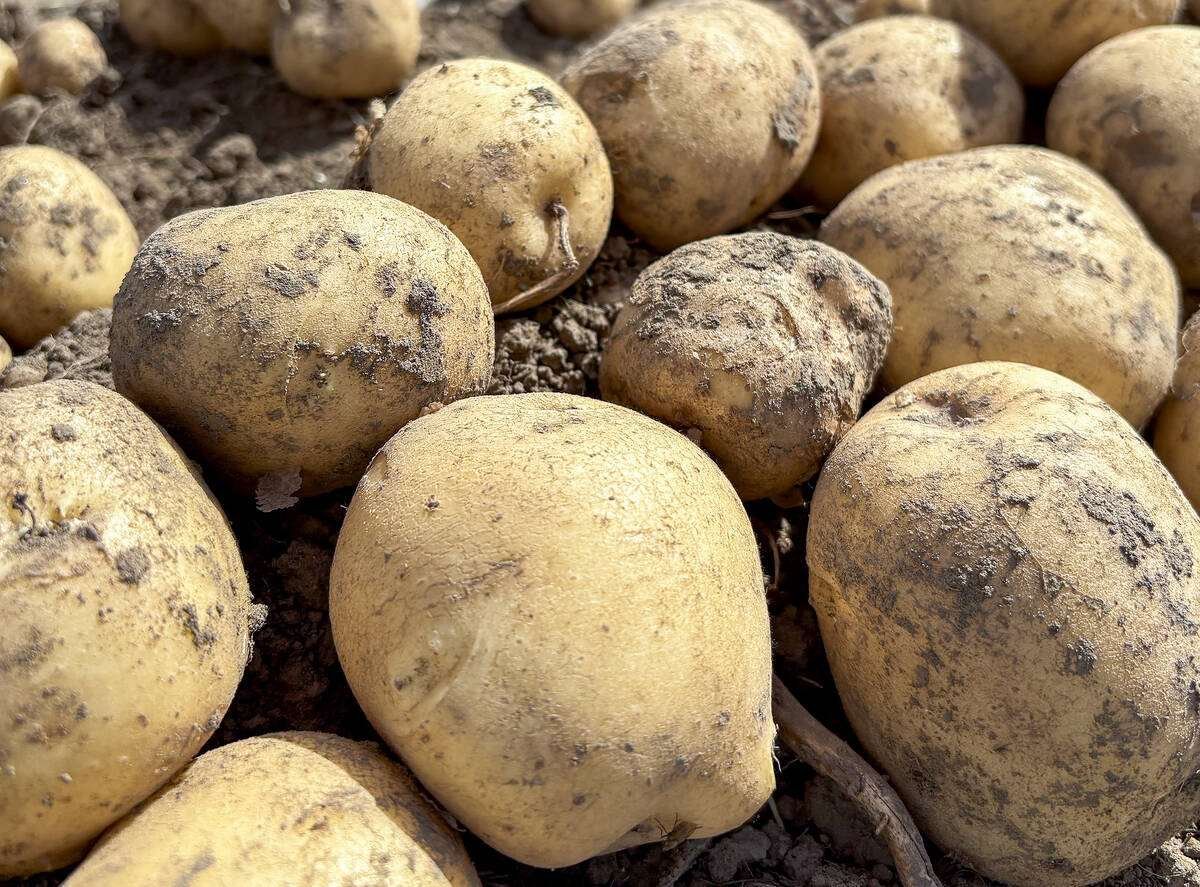
Sunrise’s winning formula
VanderZaag’s varieties are bred for high gravity, high dry matter, good processing qualities and high yields.
SP327 meets every criterion plus the latitude to perform well as a chip, fry and table potato; however, its target market is the chip sector.
Jeff Vick, Shearer’s director of procurement agriculture, said SP237 delivers on storage longevity and performance, with good resistance to harvest and pressure bruising, while ticking the box for smaller-sized tubers with a very high set.
He said while there are more new varieties in the chip sack market, consumer purchasing is shifting toward small bags, increasing demand for high-set small-sized varieties.
“That’s where SP has got a real advantage,” Vick said.
During his recent trips to Alberta, where SP327 has significant acres, Vick said the potato performed exceedingly well for July storage where sugar levels can be challenging in the chip industry.
“It was really best of show for us, in terms of late storage varieties,” he stated, adding ramping up seed production and developing more acres is the next critical step.
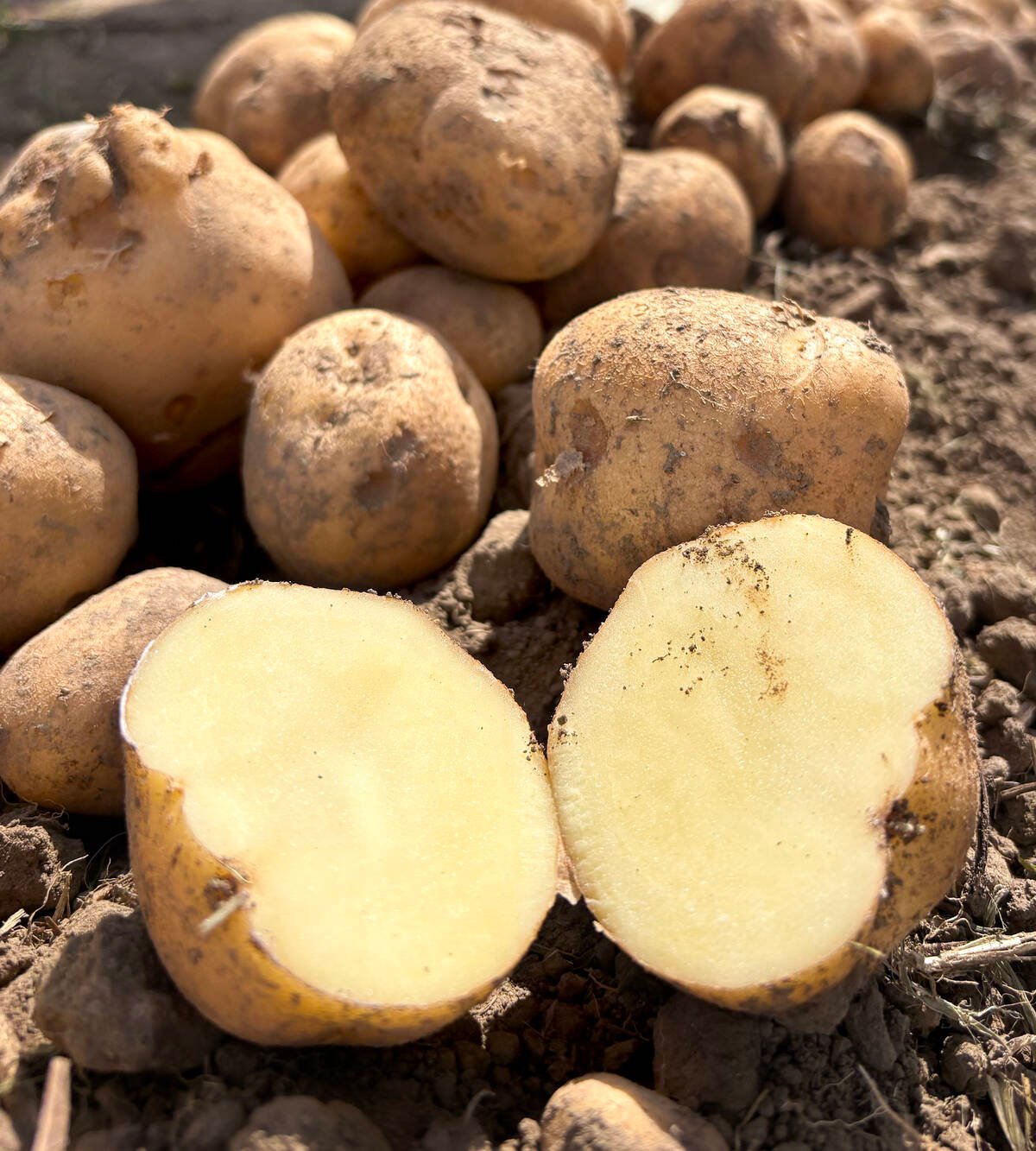
Driving potato variety development
The variety has licensed growers across Canada and the United States, but VanderZaag acknowledged it can take operations time to find the ideal management system so new varieties can meet seed production potential.
That said, the SP327 variety is holding its own, even in Pennsylvania’s warmer climate.
“It’s been hard for the chip stock industry to drive new variety development just based on the scale and the size and the return on investment relative to a fresh pack or to a frozen fry process,” acknowledged Vick, noting for him, SP327’s success is an anomaly, not the standard.
As a processor, Vick believes his role is to create demand pull for new varieties to help manage the risk for developers and seed producers.
Saying that, compared to other commodities, the speed at which seed production for new potato varietal development reaches commercialization is “glacial in pace” because of traditional breeding.
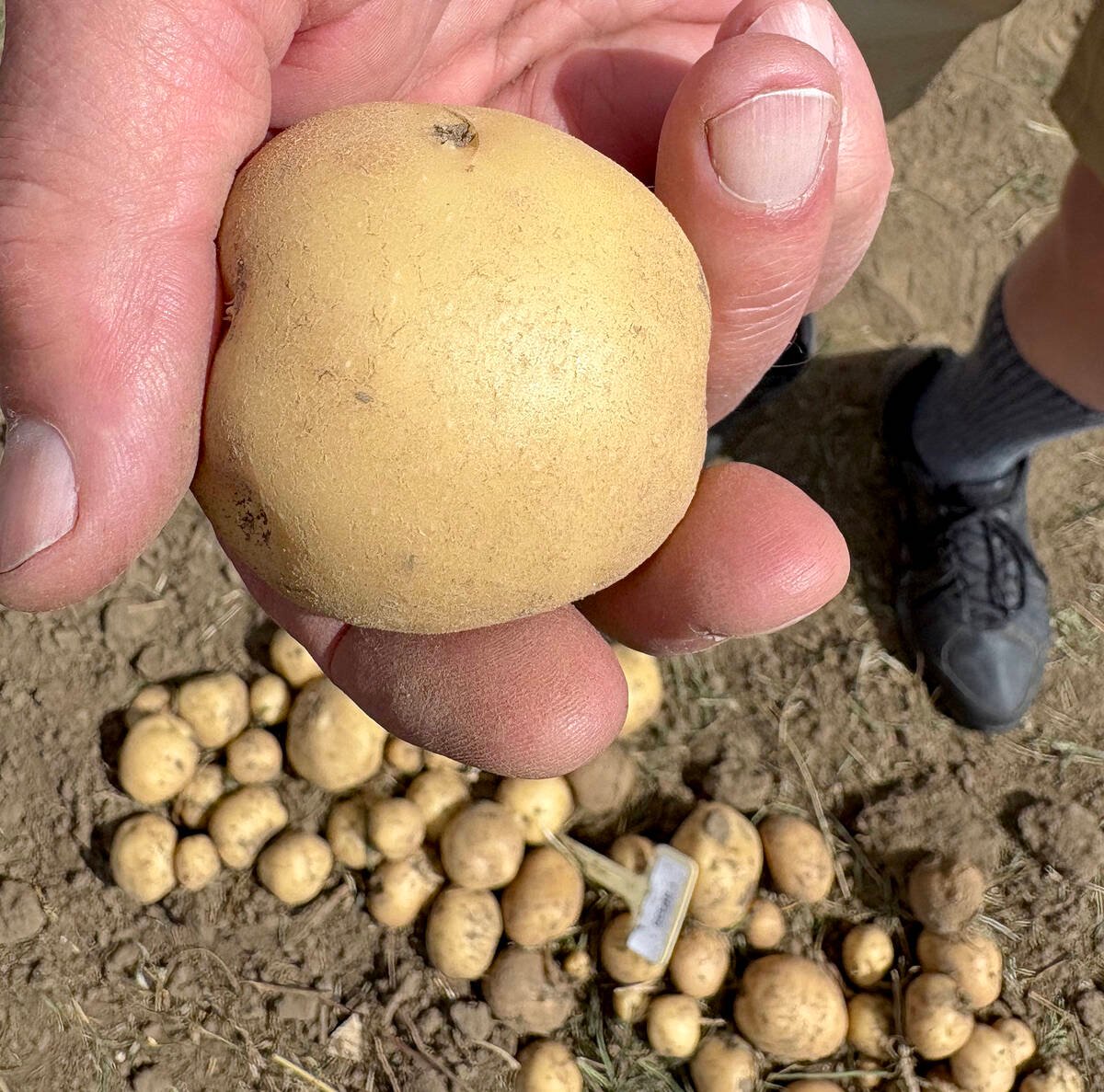
New potato variety trials
SP327’s success has spurred VanderZaag’s passion and development of the next chipping variety iteration has already begun.
Of the six medium-early varieties he submitted for the Ontario Crops Research Centre’s potato field trials at Elora, SP327 and new variety SP333 are his front runners.
“This one (SP333) is the one that I think can beat (SP327) for yield as well as quality,” he said, cautiously optimistic with its current results. “This is the first year that it’s across Canada in trials and in the States. We have no quantity of seed, but this is, to me, the most promising.”
SP335 has also performed well, with a “beautiful smooth skin,” he said, and can serve as a chip or table potato.
The breeding program will likely drop several of the other varieties on trial as VanderZaag strives to improve and breed new, stronger-performing specimens, some of which will include SP327 as parent stock.
“We have trials right now on P.E.I., Quebec, Ontario — two locations, Manitoba, Saskatchewan and Pennsylvania,” he said. “So, we have pretty good cross-section of where we think it’s going to possibly do well. We can weed them out really quick.”
He jokingly promised his wife that SP327 would make her a millionaire. She’s still waiting, he laughed, but it isn’t money that spurs VanderZaag forward. It’s passion and a desire to “make an impact.”
He thinks SP327 has begun to, and he’s optimistic that SP333 and SP335 are on the right path.
The post Ontario potato producer’s SP327 gains chip processors’ approval appeared first on Farmtario.


