
A slow start to the wheat planting season benefited this year’s wheat crop, but challenges such as stripe rust continue to threaten yield potential.
Why it matters
Having healthy wheat emerge from winter can make or break a wheat crop.
Wheat Wisdom Wednesday, held at C&M Seeds near Palmerston on June 24, provided farmers with crop management suggestions for these and other challenges. The event connected producers with industry experts through live demonstrations and discussions on improving yields and the latest innovations in wheat management.
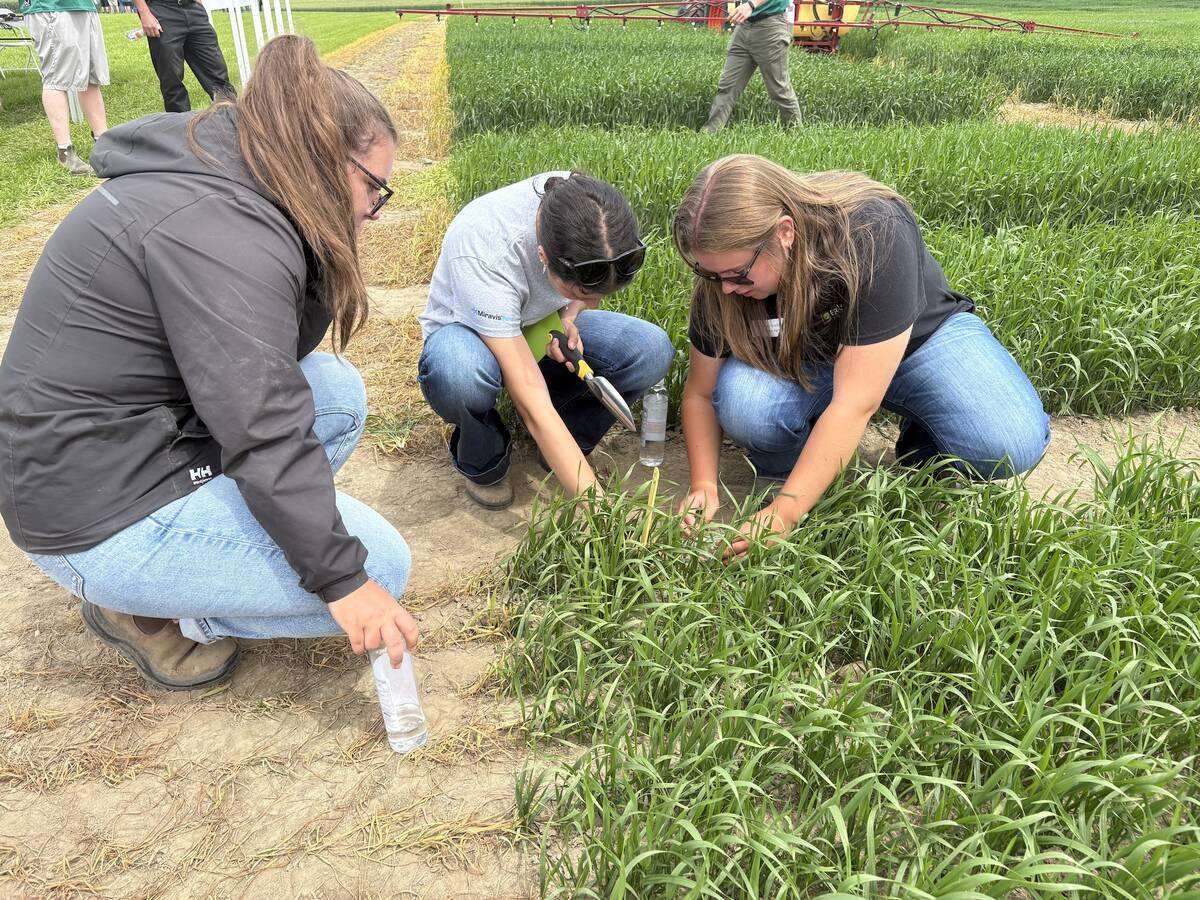
Hitting the ideal winter wheat planting window can be an effective tool in reducing the impact of weeds and stripe rust, experts told attendees.
Joanna Follings, cereals specialist with the Ontario Ministry of Agriculture, Food and Agribusiness, told Farmtario that timely planting is a key driver of a successful yield.
“Fields that were planted in a timely fashion or within their planting window last year really came through well in the winter, had established a really good root system, lots of tillering, and so they were really set up for the highest yield potential,” she said, adding that later-planted fields struggled with the slow spring.
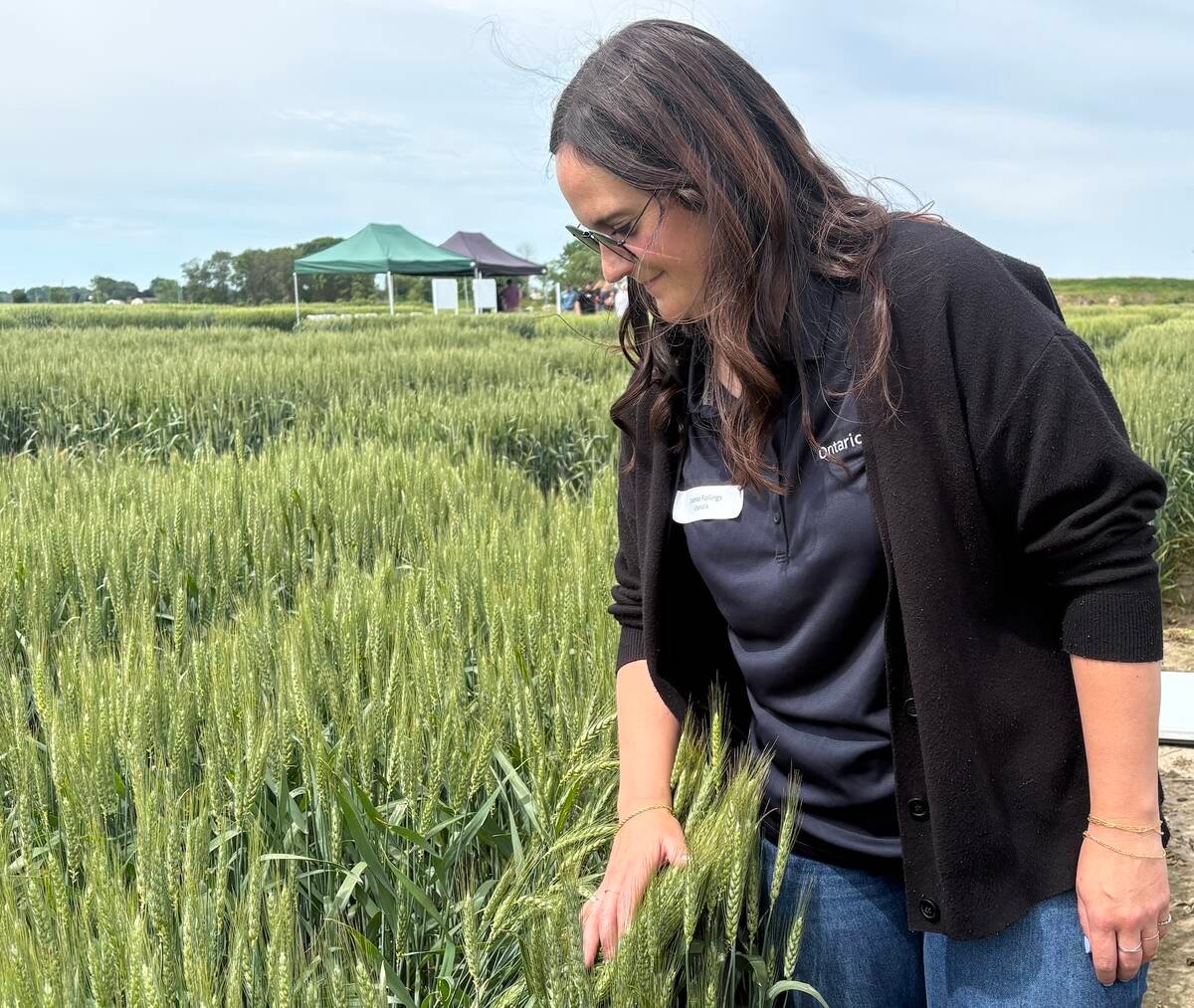
Follings noted the use of monoammonium phosphate (MAP) in-furrow with seed was crucial for survival, especially under cool conditions.
“Those fields that didn’t get MAP last fall really struggled from a survival standpoint,” she said.
- Plant within your ideal winter wheat window to build roots and tillering before winter
- Apply MAP in-furrow with seed to improve survival, especially in cool conditions
- Prioritize fall weed control, particularly for bluegrass
- Know your variety’s stripe rust susceptibility and consider a two-pass fungicide program
- Target spring herbicide application, with fall herbicide as the backup
Looking ahead, she said growers should prioritize fall weed control to prevent problems next spring, particularly with bluegrass.
This year, many weeds had completed their seasonal growth cycle before crops were planted and the delayed planting season limited their impact. However, she cautioned that growers planting this fall may not benefit from those same conditions and could face greater weed pressure next spring if control measures are not used.
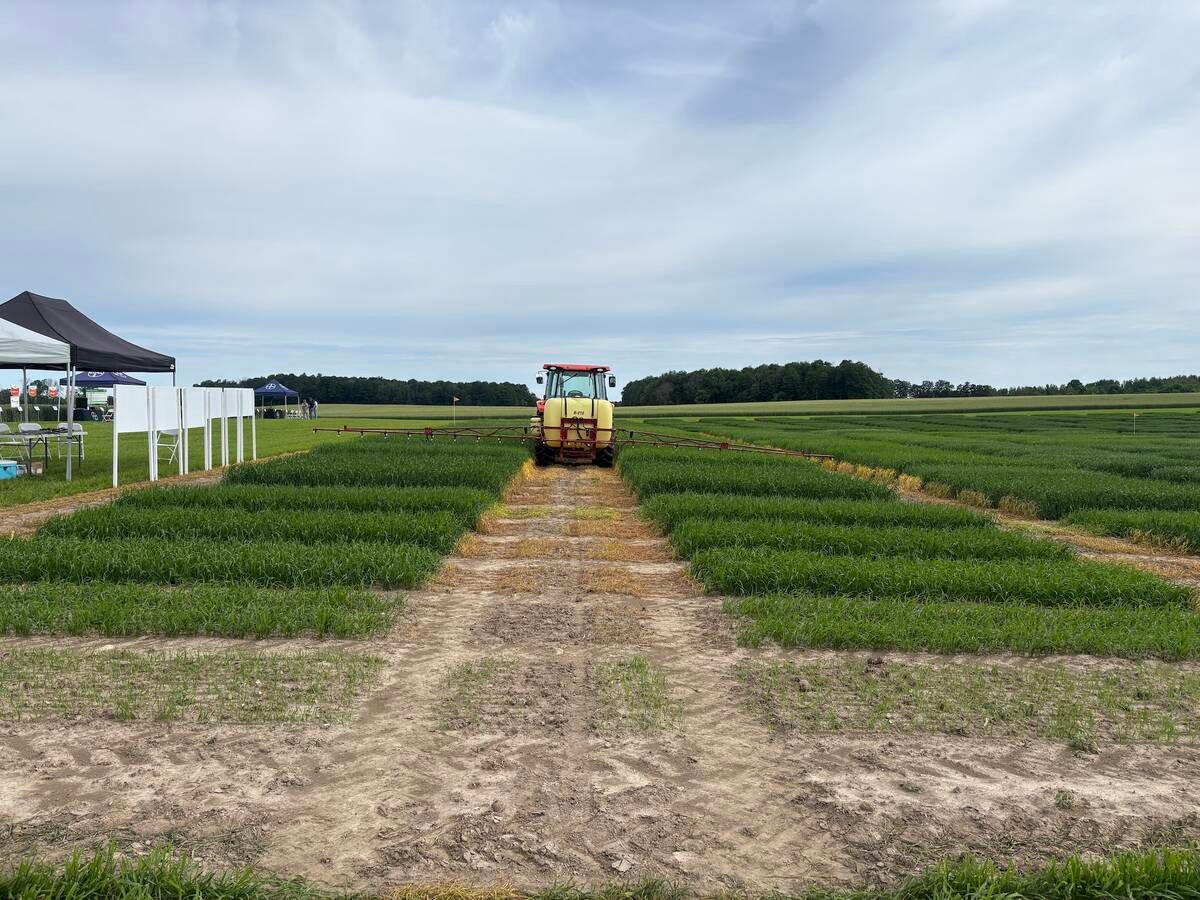
When tackling stripe rust, she advised growers to understand varietal susceptibility and consider a two-pass fungicide program.
“Stripe rust continues to be a challenge for growers. It’s been showing up earlier and earlier each year, although this year it showed up about 10 days later than it did last year, which I think worked in our favour,” she said.
She noted that a spring herbicide application is ideal, but weather conditions and other factors can prevent growers from hitting those target application windows.
“Nine times out of 10, we’re not hitting those early spring applications,” Follings said, adding that the next option would be a fall herbicide application.
Despite being early in the growing season, Follings said growers have “lucked out” with cool temperatures creating ideal grain-growing conditions.
“I’m really hopeful that we’ll have another really good winter wheat crop this year,” she said.

The post Ontario wheat growers optimistic despite ongoing stripe rust concerns appeared first on Farmtario.


