

Plug-in hybrids are booming in Australia as buyers embrace the promise of electric driving without the range anxiety, but battery testing suggests there could be a catch: PHEVs are showing up disproportionately among vehicles with battery problems.
Australian EV battery testing specialist Test EV says PHEVs account for a “reasonably high” proportion of the roughly two per cent of electrified vehicles its network has tested that have recorded a battery fault.
That doesn’t mean two per cent of PHEVs are failing – the figure covers thousands of both battery-electric vehicles and PHEVs tested. But Test EV founder Nathan Gore-Brown says plug-in hybrids are over-represented among the problem vehicles.
READ MORE: Mystery solved? Porsche Macan, Taycan, 718 EVs set to step up tech war on battery health with important feature few others can offer
READ MORE: EV cancer risks: Real-world study delivers verdict on battery electric electrosmog health threat
READ MORE: 400,000km Australian Tesla Model 3 goes viral with 90% health remaining on its original battery
“Of all the vehicles that we have failing, PHEVs are failing more often than their BEV counterparts,” Gore-Brown told EV Central.
“It would be a trend, yes. Starting to head that direction.”
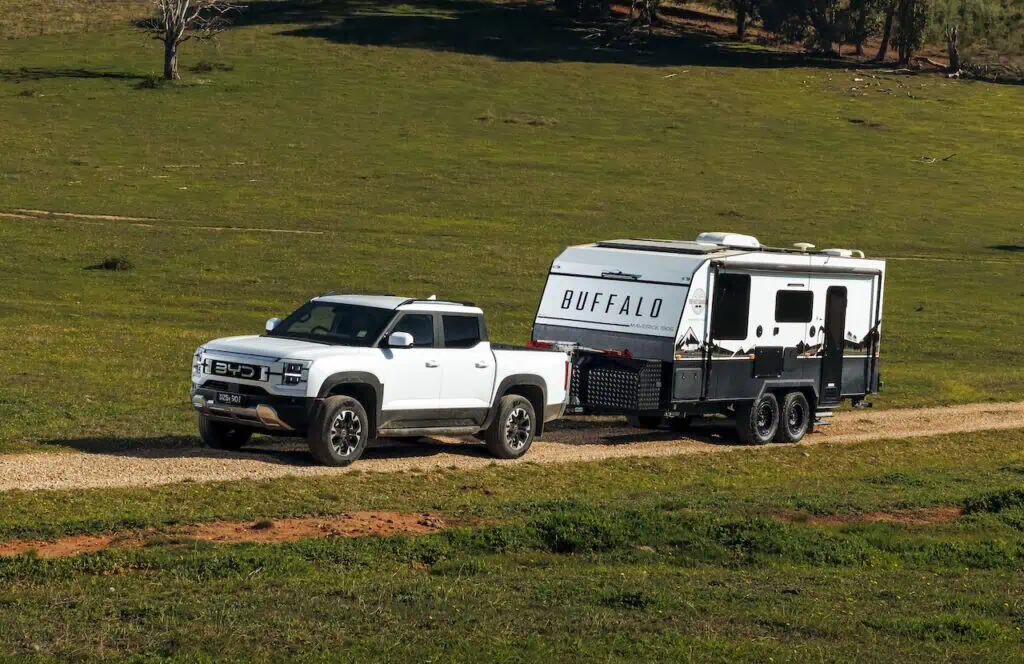
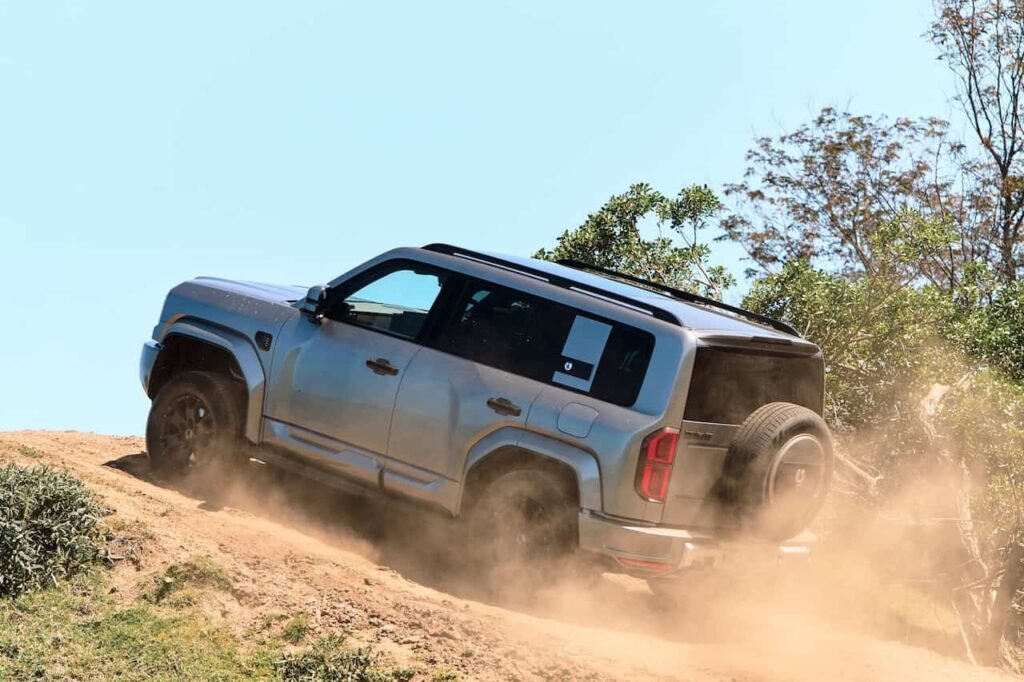
It’s a potentially important issue as Australians embrace plug-in hybrids in rapidly growing numbers, particularly the new generation of Chinese PHEV SUVs and utes that combine substantial electric driving ranges with petrol engines for longer trips.
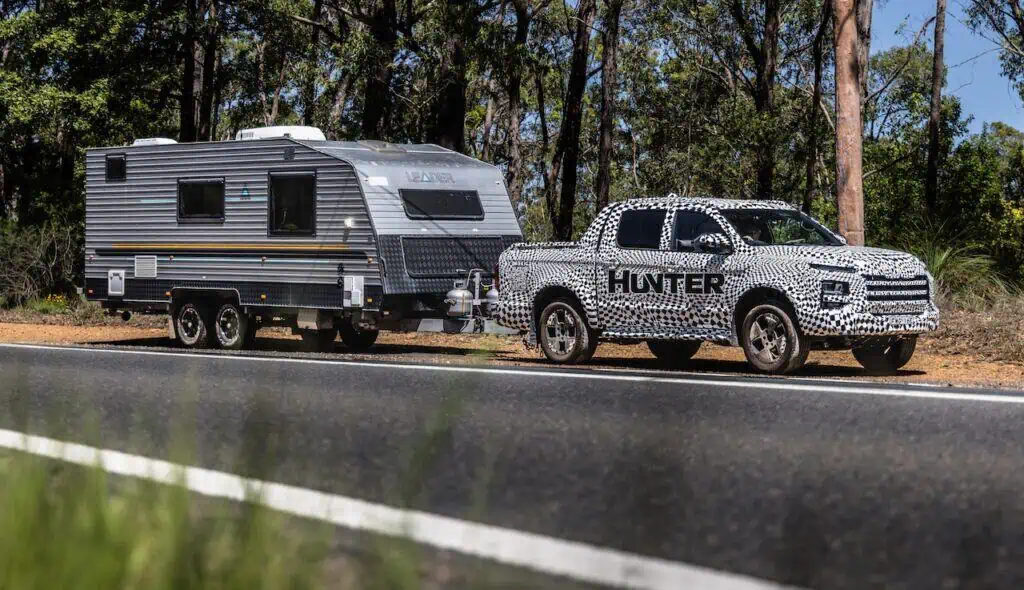
These vehicles include — to name a few — the BYD Shark 6, Denza B5 and B8, GWM Cannon and Cannon Alpha and Tank 500 and the JAC Hunter PHEV.
So why could a PHEV battery have a tougher life than the much larger battery underneath a pure EV?
One potential explanation is simply how hard the battery has to work.
A typical modern battery-electric vehicle might have a 60kWh, 70kWh or larger battery feeding its electric motors, while plenty of PHEVs make do with batteries in the 15-25kWh range yet still demand substantial power from them.
That smaller battery can therefore undergo more frequent charge and discharge cycles and potentially face greater loads relative to its capacity.
Gore-Brown says the way owners use PHEVs adds another variable. Some plug them in religiously and conduct most of their everyday driving on electricity. Others rarely – or perhaps never – connect them to a charger, instead treating their PHEV much like a conventional petrol-electric hybrid.
Gore-Brown argues that misses the point of owning one.
“There is plenty of feedback from years of PHEVs in the market that they need to be charged regularly to get the best out of the battery and fuel economy,” he said.
“So many PHEVs don’t get charged often, leading to battery issues and poorer fuel economy than a good diesel.”
His advice to anyone buying one is appropriately straightforward.
“If you do choose to go with a PHEV, ensure you charge it,” Gore-Brown said.
“It’s not likely to provide the performance you are after if you just fuel it, both in the short term and long term.”
Gore-Brown isn’t pretending to be neutral in the broader EV-versus-PHEV debate either.
He has spent about a decade working in the EV industry, including a stint with Tesla, and readily acknowledges his preference is for a pure battery-electric vehicle.
“My own personal opinion is don’t drive a PHEV, but that’s just because I’m an EV guy,” he said.
But he also accepts that PHEVs currently make sense for some Australian buyers, particularly those shopping for large SUVs and utes where there are still relatively few viable battery-electric alternatives.
Rather than automatically accepting the increasingly common claim that a PHEV offers the “best of both worlds”, Gore-Brown says buyers should first establish what they genuinely need their vehicle to do.
For someone regularly towing long distances, travelling through remote areas or replacing a large diesel 4WD or ute, a PHEV may currently provide a more practical electrified solution than the available BEVs. But Gore-Brown says it still needs to be treated as a plug-in vehicle.
Test EV distributes Austrian company Aviloo’s independent battery diagnostic technology in Australia and New Zealand. Its equipment is used by dealers, auction houses, workshops and vehicle inspection businesses.
Its testing doesn’t simply look at how much energy a battery can still store. It can also identify issues such as cell imbalance and sensor faults that may affect how a battery performs.
That distinction matters because an electrified vehicle can potentially have a battery problem without illuminating a warning light or displaying an obvious fault to its owner.
And while Gore-Brown’s warning about PHEVs is noteworthy, the wider results hardly suggest an epidemic of dying electrified cars.
Only around two per cent of the thousands of BEVs and PHEVs tested have registered a fault of some description.
Nor has Test EV provided a separate PHEV failure percentage, so its findings don’t establish that plug-in hybrid batteries generally have short lives.
Instead, the emerging warning is that PHEVs are appearing among those failures more frequently than their BEV counterparts.
That’s also potentially important for the used market. As today’s rapidly expanding PHEV fleet begins filtering into second-hand showrooms, battery health could become as important to buyers as checking the condition of the petrol engine, transmission and service history.
The post PHEV battery warning: Why plug-in hybrids could be harder on their batteries than EVs appeared first on EV Central.


