

Industrial facilities generate large volumes of waste and recyclable materials every day. Manufacturing plants, warehouses, distribution centers, and production facilities must manage scrap materials, packaging waste, cardboard, plastics, and landfill waste efficiently. Selecting the right industrial recycling bins, warehouse recycling carts, and manufacturing waste containers helps improve operational efficiency, reduce labor costs, and support sustainability goals.
Large capacity containers designed for industrial environments are built to handle heavy materials, frequent use, and demanding conditions. With the right systems in place, facilities can improve recycling rates, reduce contamination, and streamline waste collection across large floor spaces.
This guide explains the key types of industrial waste containers, how to choose the right materials, and how to determine the correct sizing for manufacturing and warehouse environments.
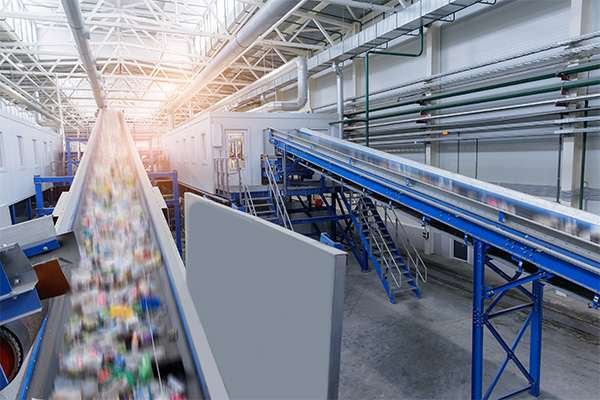
Why Industrial Recycling Bins Matter in Manufacturing and Warehouses
Waste management in industrial environments is not just about cleanliness. Well designed recycling and waste systems directly impact efficiency, labor requirements, and sustainability performance.
Industrial recycling bins allow facilities to separate materials at the source where waste is generated. This reduces contamination and improves the value of recyclable materials such as cardboard, plastics, and metals. Facilities looking for durable solutions can explore options such as the Industrial Recycling Bin which is designed for heavy use in warehouse and manufacturing environments.
Warehouse recycling carts allow teams to move materials safely across large facilities. Mobile containers like a Recycle Bin Cart on Wheels make it easier to transport recyclables from production areas to centralized waste zones.
Manufacturing waste containers help consolidate materials at dock areas or central collection zones where waste haulers can efficiently remove them.
Facilities that design waste systems around workflow often see several operational benefits including reduced hauling costs, improved recycling diversion rates, and lower labor requirements for janitorial and facility teams. These systems also support ESG reporting by creating cleaner recycling streams and more measurable diversion outcomes.
Types of Industrial Recycling Bins and Warehouse Waste Containers
Industrial environments typically rely on several types of containers working together to manage waste across the facility. These systems often combine workstation sorting bins, mobile carts, and larger consolidation containers.
Material Handling and Sorting Bins for Manufacturing
Material handling bins are designed for sorting recyclable materials directly inside manufacturing facilities and warehouses. These containers are commonly placed near workstations, assembly lines, packing areas, and scrap generation points.
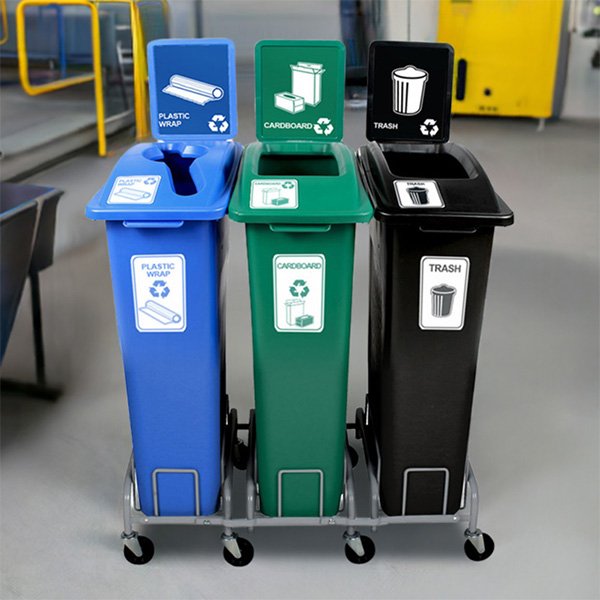
One of the most flexible solutions for manufacturing environments is the Manusorter system available through Recycle Away. These configurable recycling bins allow facilities to create multi stream sorting stations that make it easy for employees to separate materials correctly.
Facilities can explore a full range of industrial recycling bins and material handling containers.
Manusorter bins typically offer capacities around 32 gallons and are made from durable HDPE plastic that resists impact and chemicals. Configurable lids allow openings to be matched to specific materials such as cardboard, plastic bottles, aluminum cans, or landfill waste.
Sign panels can also be added to clearly communicate sorting instructions. This helps improve recycling accuracy and reduces contamination in industrial recycling programs.
These bins are ideal for manufacturing scrap collection, packaging waste sorting, cardboard separation, and centralized recycling stations inside warehouse environments.
Mobile Warehouse Recycling Carts
Large warehouses and manufacturing facilities often require containers that can move easily across the floor. Mobile warehouse recycling carts allow teams to transport materials from work areas to central collection points quickly and safely..
Mobile recycling systems often combine multiple sorting bins mounted on a rolling base. This allows workers to collect recyclables across production areas and transport them to dock areas or recycling consolidation zones..
Recycle Away has a wide variety of products to support the design of recycling systems for warehouses and manufacturing spaces.
Mobile recycling carts typically include heavy duty dollies or casters, multiple waste streams, and integrated signage. For simple mobile collection, facilities often use containers such as a Recycle Bin Cart on Wheels
which provides large capacity and easy mobility for warehouse recycling.
These systems work well in warehouse picking zones, distribution centers, production lines, and maintenance departments where recyclable materials are generated across multiple work areas..
Mobility significantly improves efficiency because recycling stations can be moved closer to the point of waste generation, reducing the time workers spend transporting materials manually.
Industrial Waste Carts and Large Capacity Containers
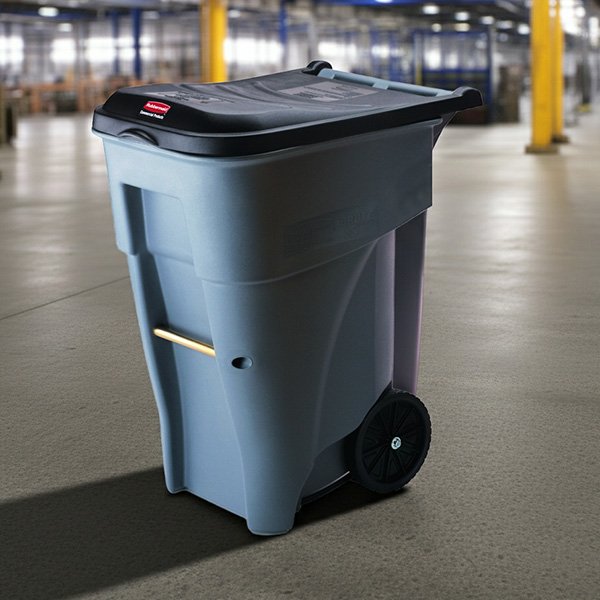
Industrial waste carts are large wheeled containers used for collecting and transporting materials throughout manufacturing facilities and warehouses. These containers provide the capacity needed to manage high volumes of waste without frequent emptying.
Common sizes include 32 gallon carts, 64 gallon carts, and 96 gallon carts. These carts are commonly used to transport cardboard, plastic packaging materials, scrap components, and general landfill waste.
Because they are mobile and durable, warehouse recycling carts are essential for facilities with large floor areas where waste must be moved significant distances before reaching loading docks or external dumpsters. Durable solutions such as the Industrial Recycling Bin
are often used in these environments because they can handle heavy materials and continuous use.
Key features often include reinforced plastic construction, heavy duty wheels for mobility, compatibility with automated lifting equipment, and lids designed to contain materials safely during transport.
Materials Used for Industrial Recycling Bins and Manufacturing Waste Containers
The materials used in industrial waste containers determine durability, weight, and suitability for different environments. HDPE Plastic
High density polyethylene is one of the most common materials used for industrial recycling bins. HDPE is extremely durable and impact resistant while remaining lightweight and easy to move.
This material also resists chemicals, moisture, and temperature fluctuations, making it ideal for manufacturing and warehouse environments. Many sorting bins and warehouse recycling carts are made from HDPE because it provides an excellent balance of durability and cost effectiveness.
Heavy Duty Molded Plastic
Heavy duty plastic containers are widely used for indoor recycling stations and warehouse waste bins. These containers resist dents and corrosion and are easier to maintain than metal alternatives.
They are commonly used in packaging areas, assembly lines, and industrial workstations where materials such as cardboard, plastic film, and containers are generated.
Powder Coated Steel
Steel containers are often used in environments where waste materials are heavy or abrasive. Powder coated steel provides excellent strength and durability while protecting the container from rust and corrosion.
These containers are commonly used for scrap metal collection, industrial debris, and environments where containers must withstand frequent impact.
Stainless Steel
Stainless steel containers are typically used in environments that require a high level of sanitation or corrosion resistance. Food manufacturing facilities, pharmaceutical operations, and laboratories often use stainless steel waste containers because they are easy to clean and resistant to moisture and chemicals.
Choosing the Right Size Manufacturing Waste Containers
Selecting the correct size container is essential to maintaining an efficient waste collection system. The right capacity reduces overflow, minimizes collection frequency, and keeps waste areas organized.
Small Manufacturing Workstation Bins
Small sorting bins typically range from 20 to 32 gallons. These containers are ideal for workstation recycling and waste sorting near assembly areas or packaging stations. They allow employees to separate materials immediately at the point of generation.
Medium Warehouse Recycling Carts
Medium sized recycling carts typically range from 32 to 96 gallons. These containers are used for internal waste collection routes and transporting recyclables from work areas to central waste zones.
They provide enough capacity to reduce frequent emptying while still remaining easy to maneuver across large warehouse floors. Mobile containers such as the Recycle Bin Cart on Wheels are commonly used for this purpose because they combine capacity with mobility.
Large Industrial Waste Containers
Large manufacturing waste containers ranging from 2 to 8 cubic yards are commonly placed near loading docks or waste consolidation areas. These containers are used to collect large volumes of materials such as cardboard, plastic packaging, and production scrap before pickup by waste haulers.
Roll Off Containers
Roll off containers typically range from 10 to 40 cubic yards and are used for very high volume waste streams such as construction debris, large scale packaging waste, and facility cleanouts.
These containers are delivered and removed by specialized trucks and are ideal for manufacturing facilities generating extremely large volumes of waste.
Best Practices for Industrial Recycling Systems
The most successful industrial recycling programs are designed around the way materials move through a facility. Waste containers should always be located where materials are generated.
Place industrial recycling bins at the point of waste generation to make sorting easy for employees. Durable options like the Industrial Recycling Bin work well in high traffic areas where containers must withstand constant use.
Use warehouse recycling carts to move materials efficiently across large facilities. Provide clear signage that helps workers quickly identify the correct waste stream. Match bin openings to specific materials to reduce contamination. Standardize container colors and signage across the facility to create consistency.
Facilities that combine workstation sorting bins, mobile recycling carts, and centralized manufacturing waste containers create the most efficient waste management systems.
Final Thoughts on Industrial Recycling Bins and Manufacturing Waste Containers
Industrial waste management works best when the containers match the workflow of the facility. Large capacity manufacturing waste containers, mobile warehouse recycling carts, and workstation sorting bins all play important roles in creating efficient waste systems.
Solutions like Manusorter recycling bins help facilities separate materials at the source, while larger industrial carts and containers handle high volume material transport and consolidation.
When facilities choose the right materials, capacities, and container configurations, they create safer workplaces, reduce hauling costs, and dramatically improve recycling performance.
Industrial recycling bins: Solutions and Challenges
These solutions help manufacturing facilities and warehouses build scalable recycling systems that improve efficiency while supporting sustainability goals.
To explore industrial recycling bins and manufacturing waste container solutions, visit Recycle Away.


