Fraud is changing fast. Criminals now use AI, deepfakes, and sophisticated cyberattacks to target businesses, financial systems, and digital platforms at scale.
In this year’s Fraud in Data series, created in partnership with Inigo, we explored the biggest fraud trends shaping 2026. From billion-dollar crypto hacks to AI-powered impersonation scams, each visualization revealed how fraud risks are becoming more difficult to detect and respond to.
Here are six key takeaways from the series.
1. Some Countries Are Far More Exposed to Fraud
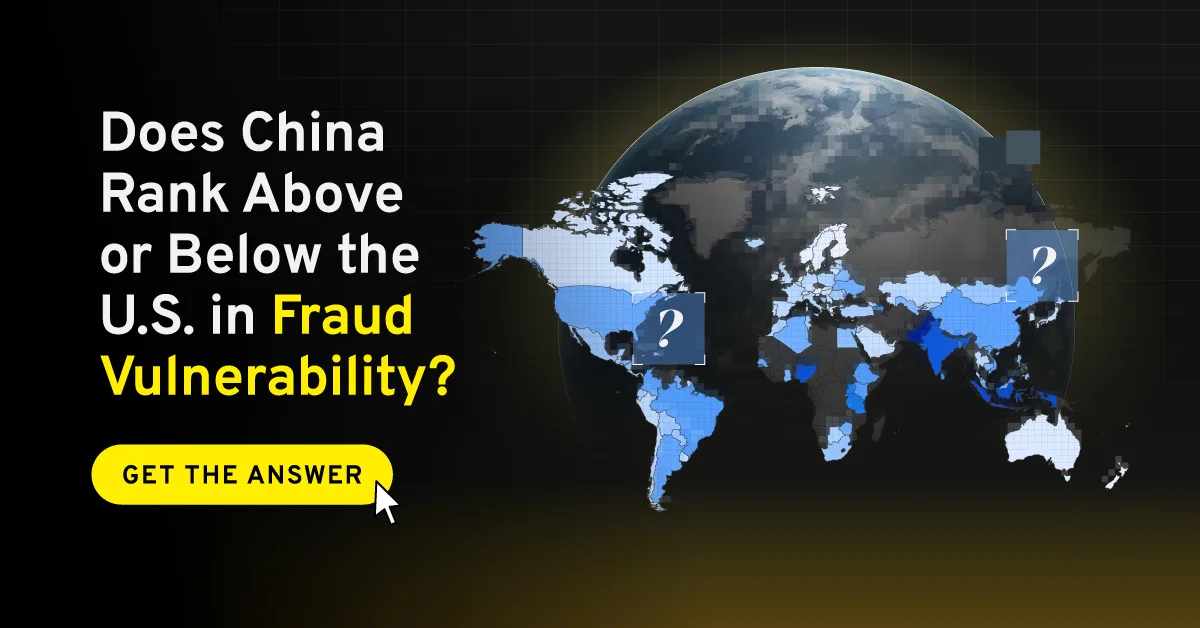
Fraud vulnerability varies widely across the world.
Part 1 ranked 112 countries using Sumsub’s Fraud Index, which measures fraud activity, economic stability, and government response.
Luxembourg, Denmark, and Finland ranked among the most resilient countries. The U.S. ranked 91st globally, placing it in the bottom 20%. The data shows that even advanced economies face growing fraud risks as digital systems expand.
 Explore the global fraud vulnerability rankings
2. AI Scams Are Costing Companies Millions
Fraudsters increasingly rely on social engineering instead of brute-force hacking.
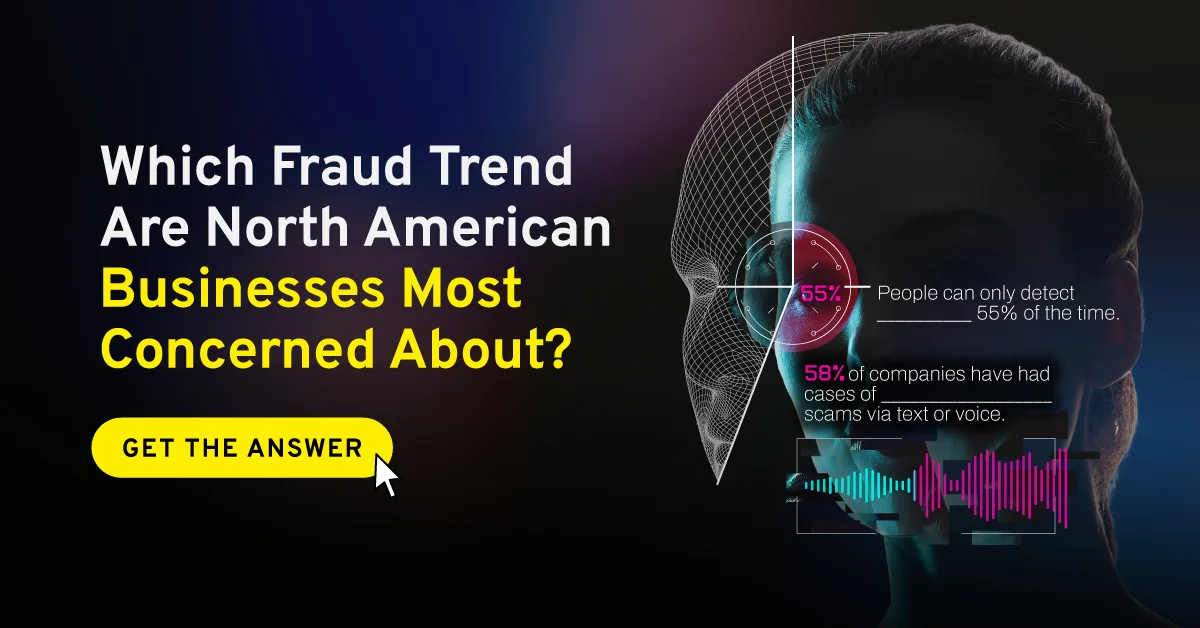
Our second visualization broke down five major scams businesses face today, including deepfake impersonation, phishing, SIM swapping, and executive impersonation.
In one case, a UK engineering company lost $25 million after employees joined a video call with AI-generated executives and approved fraudulent transfers.
As AI improves, fake voices, videos, and identities are becoming harder to spot.
See the scams costing companies millions
3. Insider Fraud Remains a Major Risk
Some of the biggest fraud losses start inside organizations.
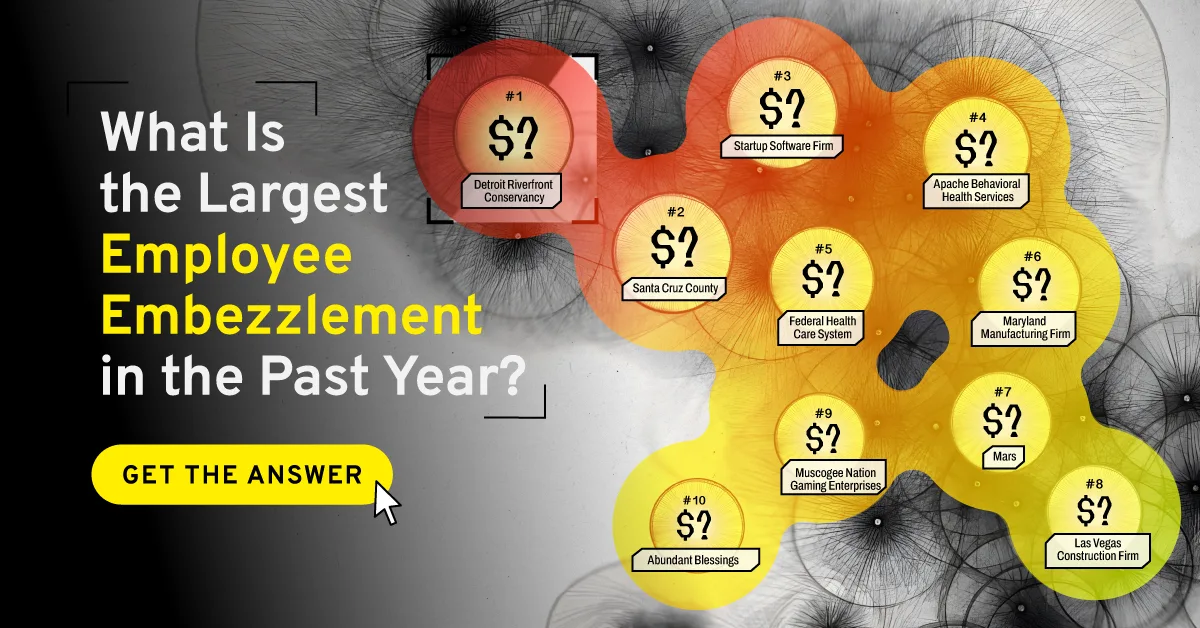
Part 3 ranked the largest employee embezzlement cases uncovered between 2025 and 2026. The biggest involved a former CFO at the Detroit Riverfront Conservancy, who stole more than $40 million over several years.
Many cases involved weak internal controls and employees with too much financial authority.
Explore the biggest employee fraud cases
4. Crypto Hacks Now Target Infrastructure and Code
Crypto attacks are becoming more technical.
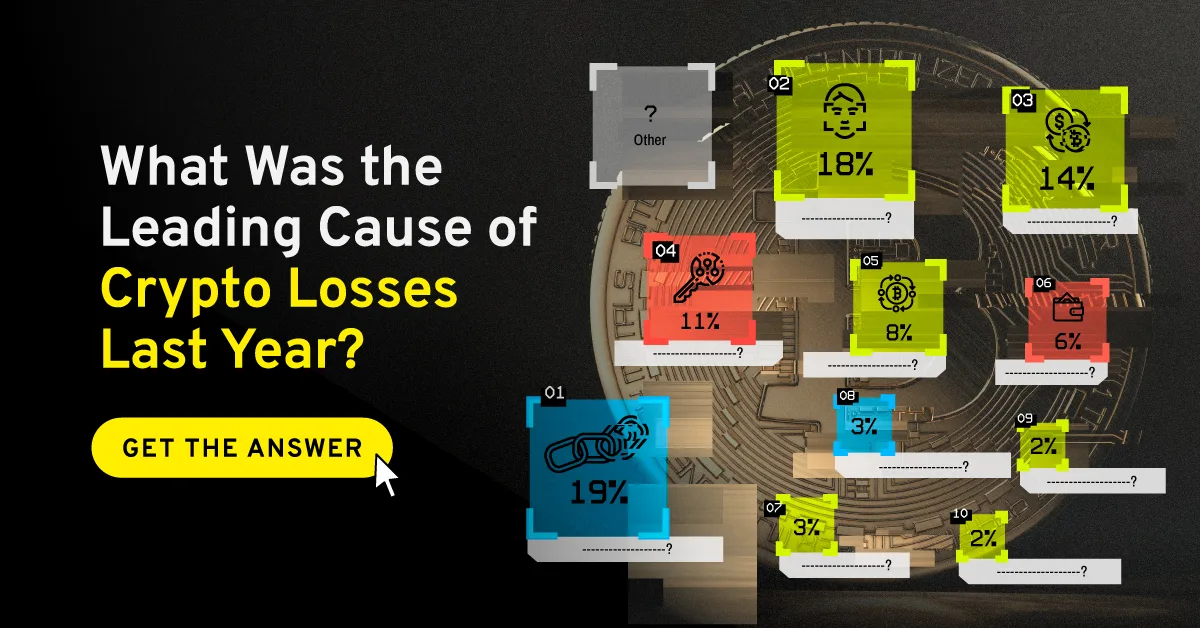
In our fourth visualization, we examined the top methods hackers use to steal digital assets. Cross-chain data manipulation ranked as the most costly attack type, while attacks targeting flaws in logic or assumptions in code drove many of the largest losses.
The biggest crypto risks no longer come from stolen passwords alone. Many attacks now target weaknesses hidden inside platform code and infrastructure.
See the top crypto hacking methods
5. The Biggest Crypto Hacks Have Wiped Out Billions
Crypto breaches continue to grow in size.
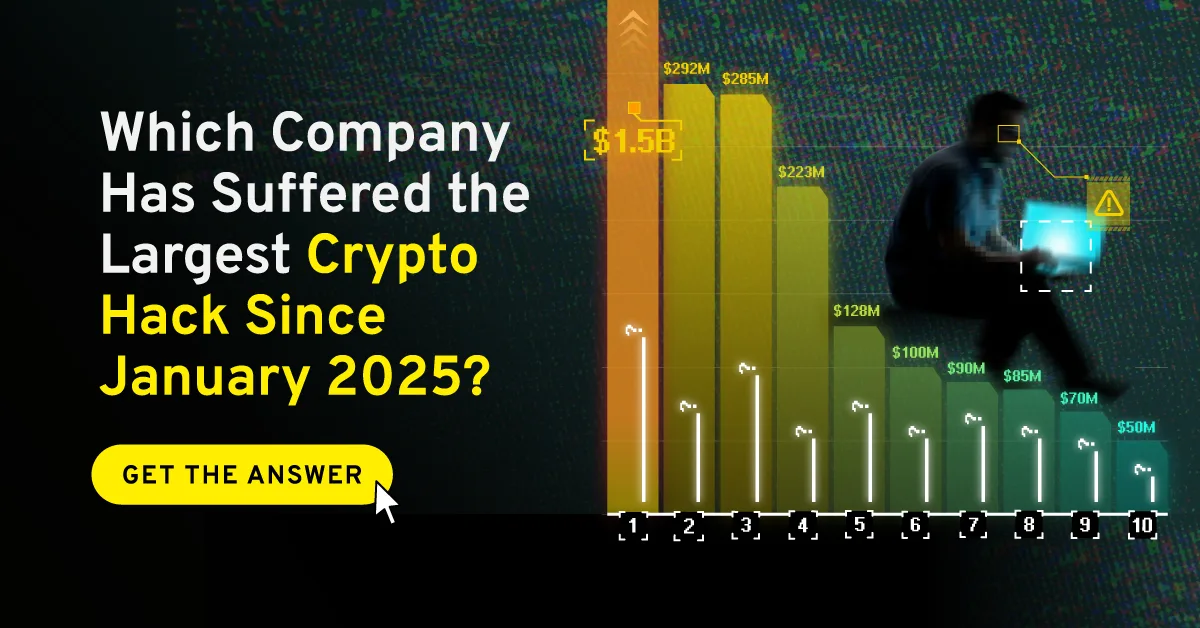
Our fifth piece ranked the largest crypto hacks since 2025. The $1.5 billion Bybit hack topped the list after attackers compromised a third-party developer system and manipulated transactions behind the scenes.
Many of the largest breaches involved third-party vendors, fake collateral schemes, or social engineering attacks used to gain privileged access.
Explore the biggest crypto hacks ranked by money lost
6. Expect Deepfakes and Biometric Fraud to Keep Rising
Businesses expect fraud threats to become even more advanced in 2026.
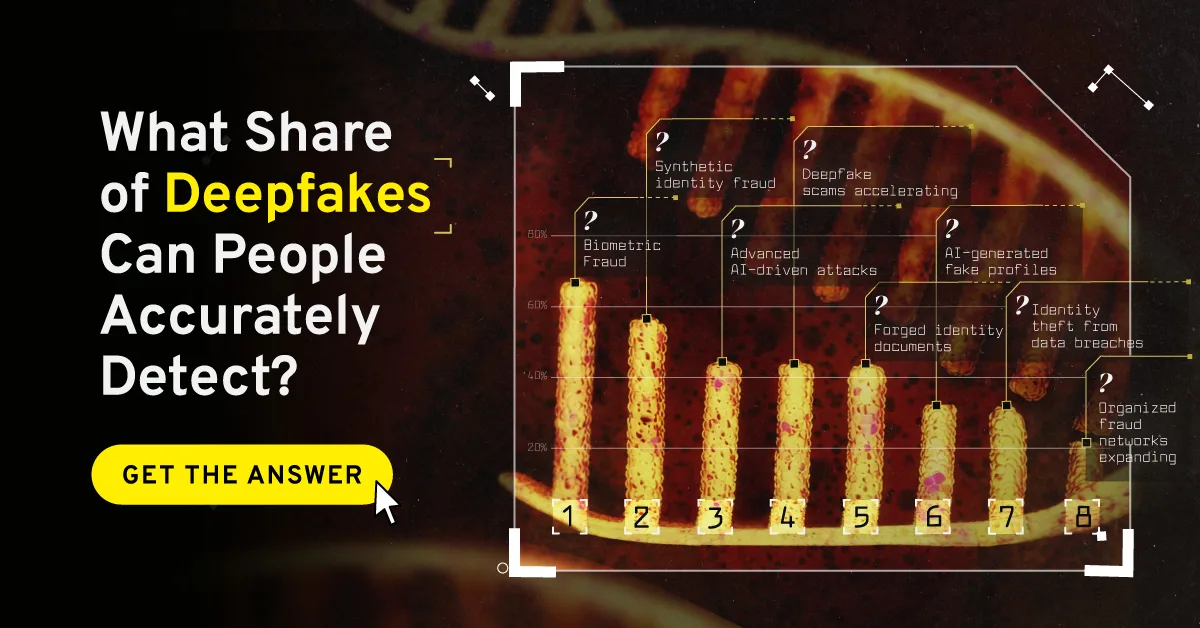
In the final piece of the series, companies identified biometric fraud, deepfake scams, synthetic identities, and AI-generated fake profiles as some of the fastest-growing risks.
As fraud becomes more automated, businesses may need to rely more heavily on real-time monitoring, behavioral analysis, and adaptive verification systems.
Explore the fraud trends shaping the future
The Bottom Line
Fraud is becoming more sophisticated. Criminals now combine AI, cyberattacks, and human manipulation to bypass traditional security systems.
Companies that invest in stronger controls, smarter verification tools, and real-time fraud detection may be better prepared for the next wave of threats.
Explore Inigo’s Insights Hub to stay ahead of emerging fraud risks and uncover the trends shaping the future of financial crime.Use This Visualization