
Métis rancher Tyler Lee has plans for the future of his farm on the west side of Lake Manitoba. Many of them revolve around regenerative agriculture. As Canada approaches the 2026 National Day for Truth and Reconciliation, we’ve also gathered our other stories touching Indigenous agriculture, written across the Glacier FarmMedia network of newspapers and news websites, see the list here: National Day for Truth and Reconciliation reading list.
For Tyler Lee, farming his family’s ranch north of Amaranth on the west side of Lake Manitoba is about more than raising cattle. It is also about figuring out how to keep a family farm on the land, and how to farm in a way that restores the soil his family considers part of their homeland.
Lee, who operates Mossy Rock Cattle Company with his family, is a Red River Métis producer whose approach to agriculture has changed significantly in recent years. In 2019, he and his brother decided to move away from conventional practices and into regenerative agriculture.
“My own personal opinion is that the future of agriculture is regenerative, and for us as Métis producers to be able to make agriculture work, it’s going to have to be on a regenerative scale,” he said in an interview with Glacier FarmMedia.
WHY IT MATTERS
As Ottawa funds new research into Red River Métis producers, one Manitoba rancher says the future of farming, and staying on the land, is regenerative. Indigenous food security and agriculture groups, and non-Indigenous regenerative agriculture champions, have drawn links between the farming philosophy and traditional knowledge.
Moving into regenerative agriculture
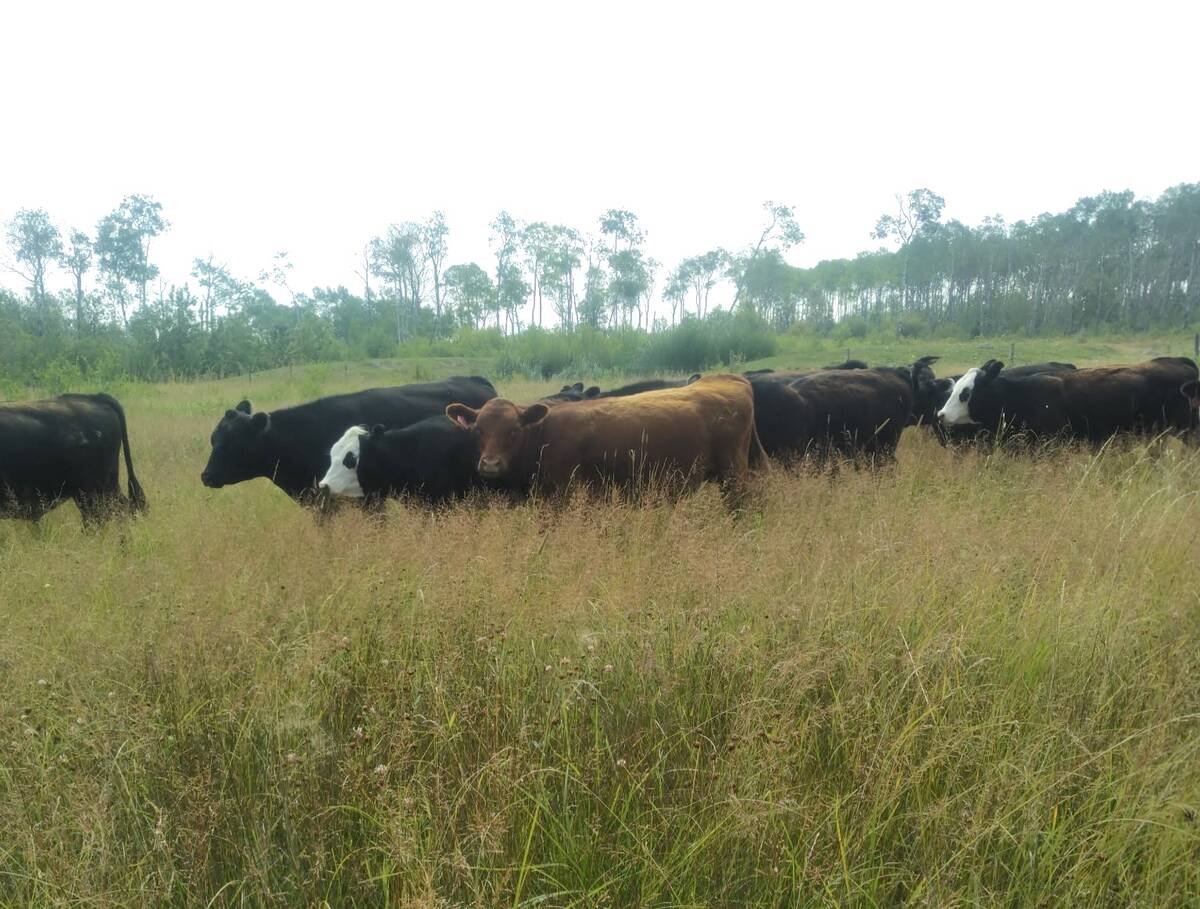
The farm, located about six miles north of Amaranth on Provincial Trunk Highway 50, is primarily a cattle ranch, with some beef sold directly to consumers. The crops they grow mostly go to feed their herd.
Lee said his family’s Métis connection to agriculture stretches back generations. The ranch itself was started by Lee’s paternal grandfather in 1986.
Today, Lee is trying to carry that family history forward while changing how the land is managed.
That shift began when Lee and his brother decided their existing farming practices were not doing enough for the land.
“Back in 2019, my brother said, ‘We have to change something,’ because it seemed like … the homeland that we were in charge of wasn’t producing anything,” Lee recalled.
Their first step was committing to zero tillage.
Ties to tradition
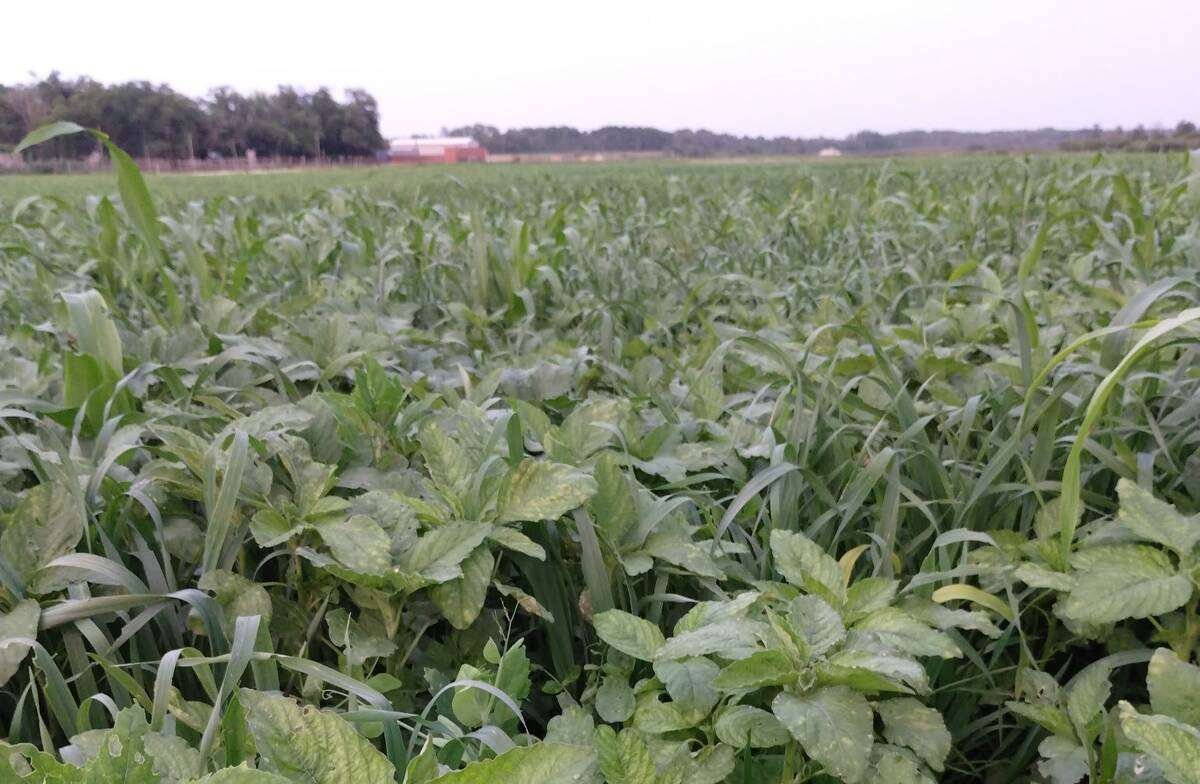
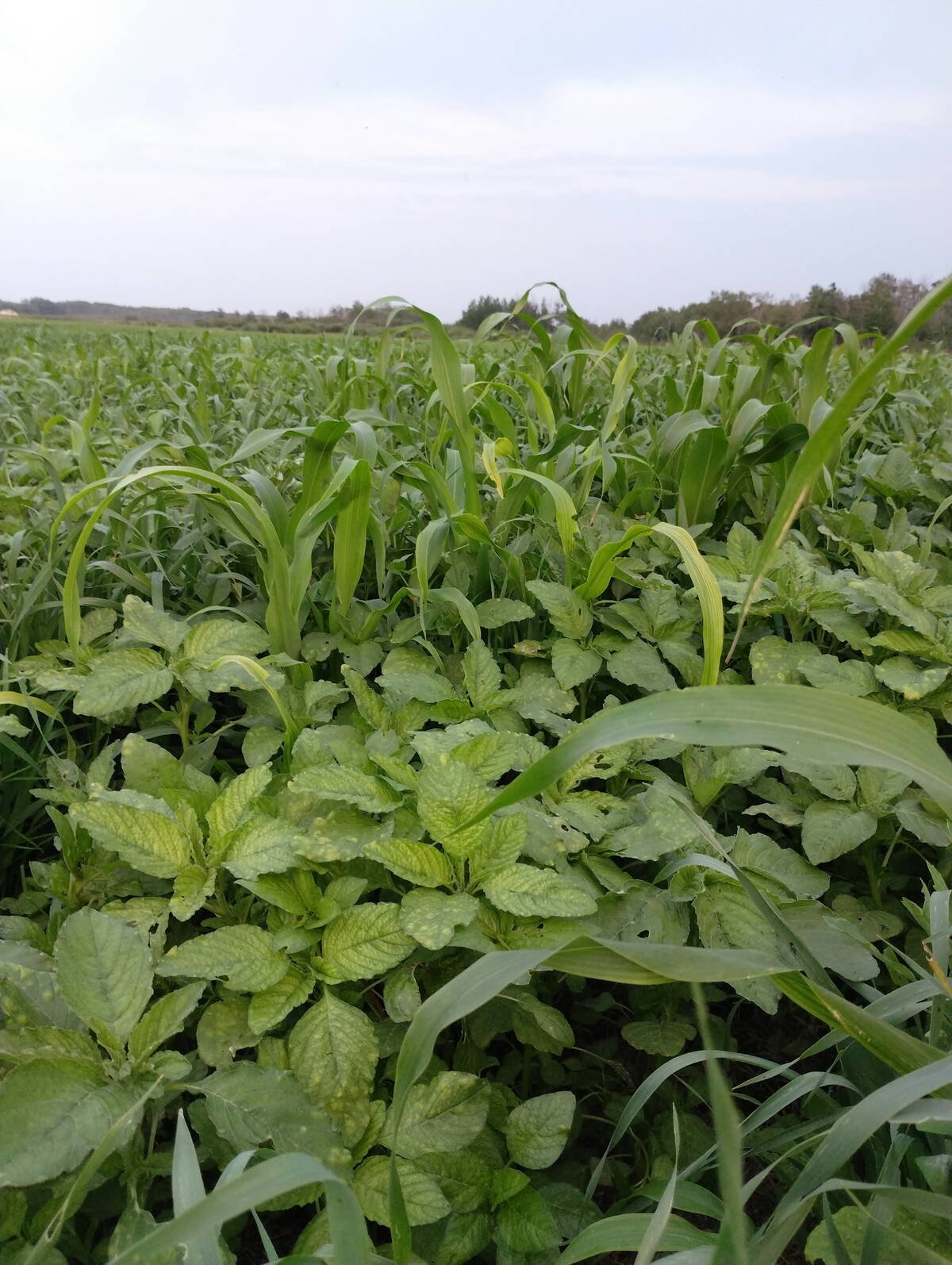
Limiting soil disturbance is a main tenet of regenerative agriculture, along with things like maximizing how long roots are actively growing in the soil (linked to practices like cover crops), keeping the soil covered, boosting biodiversity and mixing livestock and cropping.
It may also look vastly different farm farm to farm, advocates note. A cattle farm in Manitoba’s Parkland will prioritize different tactics off the menu of regenerative agriculture practices than a grain farm in the Red River Valley.
It’s a relatively new term, but leaders in the space have noted its ties to practices Indigenous peoples did for centuries before European arrival.
Concepts of rotational grazing, where high stock densities of livestock graze smaller areas for a short time before leaving that area untouched for months, were designed to mimic native bison movements across the grasslands. Indigenous groups, like the Bridge to Land Water Sky Living Lab in Saskatchewan, have pointed to traditional intercropping, holistic management and value for biodiversity and nature. In 2023, the documentary “Common Ground” — a follow up to the Netflix documentary “Kiss the Ground” — made the tie one of its talking points.
On Mossy Rock Cattle Company, the impact of shifting practices was not immediately dramatic, Lee said, but over time, he saw significant changes.
“Since 2019, we’ve been growing some amazing crops without the use of synthetic fertilizers. Over every acre of land, there’s 32,000 tonnes of atmospheric nitrogen, and we use legumes to pull that down into our soil instead of putting it on in chemical form,” he said.
For Lee, the distinction between sustaining the land and restoring it is important.
“You hear a lot about sustainability in agriculture. And looking around, it’s like, why do we want to sustain this degraded resource? So it was really exciting to see our homeland and find avenue for us to be able to restore it, not just sustain it.”
Three generations on the land
His 92-year-old grandfather has been able to see some of the changes firsthand. Until recently, he was still living in the farmhouse on the ranch.
One field visible from the house produced six hay bales under the farm’s previous management, Lee said. After regenerative practices were introduced, the same field produced about 190 bales last year.
“Even though he could see it, he still thinks we’re kind of loony,” Lee said.
At the same time, Lee said, his grandfather is glad to see the younger generation able to continue the family legacy.
Lee sees that continuity as important not only for his own family, but for the next generation of Métis producers.
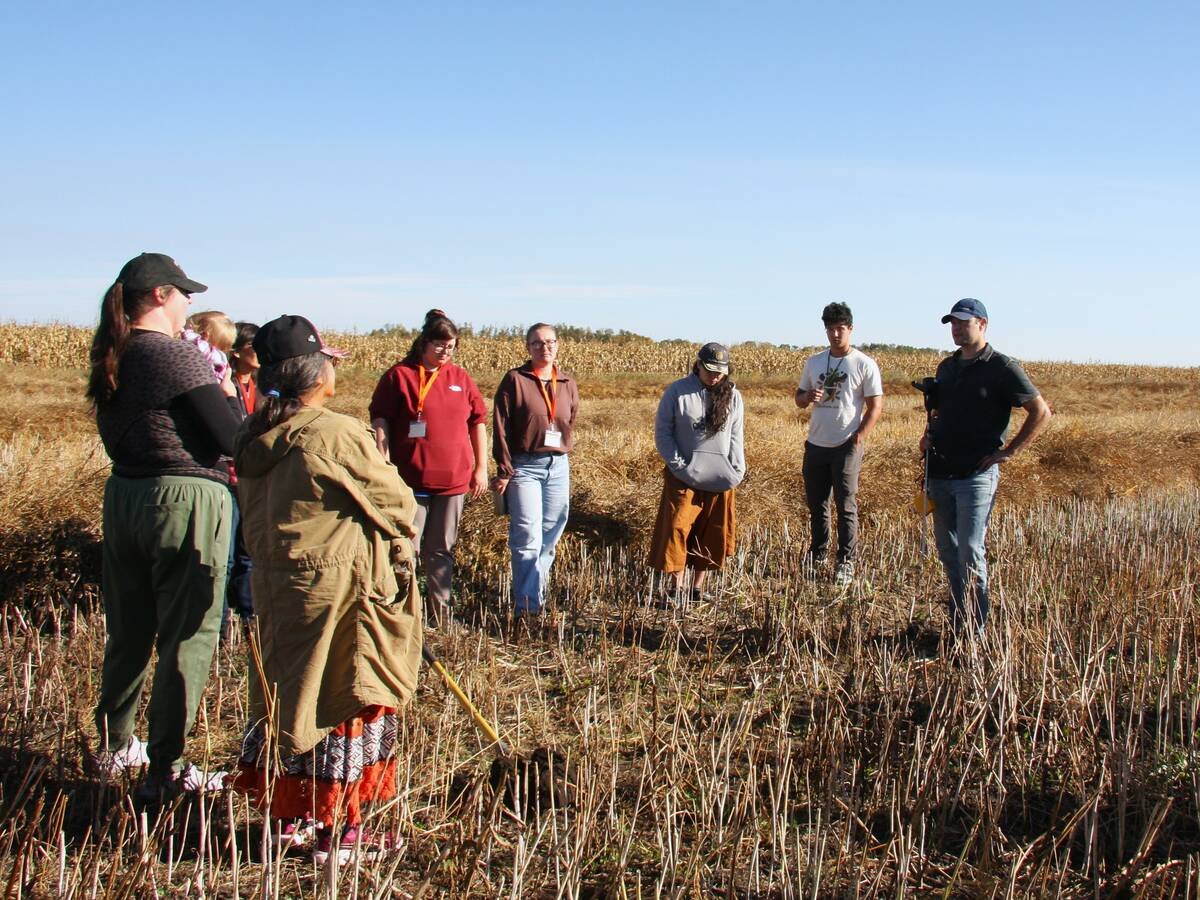
Mossy Rock has participated in farm tours through the Manitoba Métis Federation, bringing youth onto the ranch to see agriculture firsthand. Lee said some of the 70 young people who have visited had never been close to a cow before.
He considers that kind of education one of the most important roles a family farm can play.
For Lee, the question is how Red River Métis producers can remain economically viable while retaining access to land in their homeland. He worries about how expensive land is getting and how land purchases from outside actors, like investment firms, might impact that access to farm land.
He sees regenerative agriculture as one part of that answer.
“We may not be able to access as many acres as we used to, so we have to make the acres that we have more profitable than we did before by using regenerative ag to cut fertilizer costs and cut fuel costs,” he said.
Ottawa funds new research into Métis farming
Lee’s family experience is the type of background that the federal government wants to hear about.
In late August, Ottawa announced that they would be putting up funding for the Manitoba Métis Federation (MMF) to gather more information about Red River Métis participation in agriculture. The MMF will be getting up to $160,545 for that effort through the AgriDiversity Program, part of the Sustainable Canadian Agricultural Partnership.
The money will be used for community meetings and surveys involving Red River Métis agricultural producers, agriculture professionals and agri-food business owners. From there, the MMF hopes to identify priorities and challenges. The resulting “What We Heard” reports will underpin future programming and funding proposals.
The work comes amid sector changes, including renewed focus on a new policy framework, expiring programs and federal research site closures.
Farming action plan
The federation says its agriculture portfolio is already working with producers. Their existing programs include the Red River Métis On-Farm Climate Action Program, educational initiatives, youth farm tours, consultations on government programs and policies and food security projects involving greenhouses, community gardens, training and recipe development.
But the MMF says those programs do not capture the full range of agricultural priorities among Red River Métis farms.
The federation says Métis producers want stronger community connections rooted in cultural values. The new project is intended to give those producers a more formal opportunity to outline and advocate for their needs.
The MMF also believes Red River Métis participation in agriculture remains difficult to quantify, in part because census information relies on self-identification. It does not necessarily provide a complete picture, the federation argues.
The goal is to build educational and economic programs that help Red River Métis farms and businesses thrive long-term under Métis ownership, while preserving traditional land stewardship and community values, the MMF says.
Métis farming recognition
David Beaudin, MMF minister for agriculture, wants to use the project to better understand the experiences of Red River Métis producers.
“The MMF is grateful for the opportunity to bring together Red River Métis citizens who actively participate in the agriculture and agri-food sectors to better understand their priorities, opportunities and challenges, and to develop programming and initiatives that will ensure meaningful, sustained Red River Métis participation in this traditional economy,” he said.
For Lee, that kind of recognition matters. Agriculture is part of a much longer Red River Métis history, he said, and he believes the future will depend on whether that history can remain connected to working farms and ranches.


