
Verra is moving closer to launching its long-awaited Scope 3 Standard (S3S) Program, with version 1.0 phase 1 now scheduled for Q3 2026. This first release will allow companies to list project pipelines using an initial set of S3S-adapted methodologies. Although the timeline is slightly later than expected, the delay reflects a deeper push to build a stronger, more reliable system.
ezstandalone.cmd.push(function () { ezstandalone.showAds(119); });
This move shows a clear focus on quality and long-term impact. Verra is not rushing the launch. Instead, it is taking time to improve the system. The team is refining technical frameworks, learning from pilot projects, and aligning with global standards. As a result, the final program will be stronger and easier to use. It is also likely to attract more companies and drive real climate action across supply chains.
Verra Aligns the Program With Global Climate Standards
The extra time helps improve how the system connects with existing carbon markets. It also allows Verra to upgrade its digital tools and infrastructure. At the same time, lessons from pilot projects are shaping the final design. These pilots tested how existing Verified Carbon Standard (VCS) methods can work for Scope 3 projects in real conditions.
ezstandalone.cmd.push(function () { ezstandalone.showAds(127); });
Training is another key focus. Verra is creating clear guidelines and support tools for project developers. This will help users understand the system quickly and scale their projects without delays.
Finally, the new timeline helps align the program with major global frameworks. These include updated climate standards and carbon accounting rules. This alignment will make the program more relevant and widely accepted.
ezstandalone.cmd.push(function () { ezstandalone.showAds(128); });
How the Scope 3 Standard Will Transform Supply Chain Emissions
Scope 3 emissions are the biggest part of a company’s carbon footprint. In many sectors, they make up more than 75% of total emissions. These emissions do not come from a company’s own operations. Instead, they come from its supply chain—both before and after production.
Verra’s S3S Program aims to fix this problem in the following ways:
ezstandalone.cmd.push(function () { ezstandalone.showAds(129); });
- It brings a clear and trusted system to measure and manage these emissions.
- Companies will be able to track real emission cuts and carbon removals in their value chains.
Explaining further, the program uses a strong measurement system. Companies will follow simple and consistent methods to calculate emissions. Then, independent auditors will check the data. This step builds trust and ensures the results are real.
New Carbon Units for Clear Tracking
Verra also introduces a new unit system. Project developers will receive Intervention Units (IUs). Companies will receive Scope 3 Intervention Units (S3IUs). These units will be recorded in a public registry. This makes tracking easy and avoids double-counting.
ezstandalone.cmd.push(function () { ezstandalone.showAds(130); });
Co-Investment Drives Supply Chain Action
Another key feature is co-investment. Companies can invest in projects within their supply chains. In return, they can claim verified climate benefits. This system encourages suppliers, buyers, and investors to work together.
- LATEST: The Power of Plastic Credits: How Verra’s Waste Reduction Program Can End Global Plastic Pollution
Understanding the Scale of Scope 3 Emissions
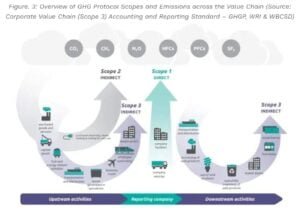
Unlike Scope 1 and 2, Scope 3 emissions cover the full value chain. They include both upstream and downstream activities.
ezstandalone.cmd.push(function () { ezstandalone.showAds(131); });
Upstream emissions come from things a company buys. This includes raw materials, equipment, and transport. Downstream emissions happen after a product is sold. These include product use, delivery, and disposal.
The Greenhouse Gas Protocol lists more than 15 categories under Scope 3. These include goods, travel, waste, and investments. However, not every category applies to every business.
For example, a service company may have fewer downstream emissions. In contrast, a manufacturing company may see large emissions from product use and supply chains.
ezstandalone.cmd.push(function () { ezstandalone.showAds(132); });
Closing the Gap in Carbon Markets
Many companies want to cut Scope 3 emissions. But they face a big challenge. There are no simple and clear rules to follow. Because of this, companies often feel unsure. They do not know how to measure emissions or report results correctly. This slows down investment in supply chain projects.
As explained before, Verra’s S3S Program offers clear rules and a strong system, and also uses third-party checks and transparent tracking. As a result, companies can now invest in projects and trust the results. Finally, the outcome will be more money inflow into supply chain climate solutions.
The program also improves carbon markets. Until now, most systems have focused on standalone projects. But S3S connects emission cuts directly to company supply chains. This creates a more complete and practical approach.
ezstandalone.cmd.push(function () { ezstandalone.showAds(133); });
Aligned With Global Climate Standards
Another strong point of the S3S Program is its global alignment. Verra designed it to match major climate frameworks.
- It works alongside the Greenhouse Gas Protocol’s new standards. It also aligns with the updated net-zero rules from the Science Based Targets initiative (SBTi).
- In addition, it connects with new frameworks from the AIM Platform and the Taskforce for Corporate Action Transparency (TCAT).
- Most importantly, it aligns with Verra’s Verified Carbon Standard (VCS) version 5, released in December 2025.
This version improves the quality and trust in carbon credits. By linking with VCS 5, the S3S Program builds on a strong and proven system.
ezstandalone.cmd.push(function () { ezstandalone.showAds(134); });
From Pilot Phase to Real-World Action
In 2025, Verra moved the program from planning to testing. It launched pilot projects and asked for public feedback.
These pilots were very useful. They showed what works and what needs improvement. They also helped adapt existing methods for real-world use. At the same time, it built the program’s structure. It set up rules, governance, and funding systems.
Verra is working with partners like the Value Change Initiative and SustainCERT. These groups help improve the program and keep it aligned with global best practices.
ezstandalone.cmd.push(function () { ezstandalone.showAds(135); });
A Turning Point for Corporate Climate Action
Companies today face strong pressure to cut emissions. Scope 3 is the hardest part to manage, but also the most important.
Verra’s S3S Program offers a clear solution. It gives companies a simple and trusted way to act on supply chain emissions. By standardizing how emissions are measured and reported, the program makes climate action easier. It also opens new doors for investment and collaboration.
In the bigger picture, this program can support global climate goals. It helps reduce emissions at scale and strengthens trust in carbon markets.
ezstandalone.cmd.push(function () { ezstandalone.showAds(136); });
With its 2026 launch coming soon, Verra’s Scope 3 Standard could become a key tool for companies worldwide—turning climate goals into real, measurable results.
The post Verra to Launch Scope 3 Standard in 2026: A New Era for Value Chain Carbon Tracking appeared first on Carbon Credits.


