
Every so often, a cold email that lands in our inbox makes a splash. Now, before a phalanx of bankers smashes the send button about a waste-2-value deal code-named Project Phoenix that ‘might be up our alley,’ here are a few tips about getting a screen-addicted VC’s attention. If you don’t have a warm introduction, it’s always better to hear from founders directly. It helps if it reads like a human was involved in the writing of said email. (When the preview line sounds like, “It’s a paradigm-shifting techno-renaissance for humanity’s next epoch,” that’s an auto-archive). But more importantly, the best emails contain a nugget of information or a performance metric that forces us to stop, reread, and ask: Is this real?
That’s what happened last year when an inbound arrived from Getmobil’s sibling-founders, Mehmet and Zeynep, who are building Turkey’s leading phone recycling platform. Their pitch included KPIs that looked too good to be true for a Series A in the real world, especially in an era when companies are raising $1b seeds with nothing more than a founding AI engineer and a moodboard. By contrast, Getmobil proffered clean pages of Very Big Numbers. GMV approaching nine digits. Device volume in the six figures. A refurbishment operation with depth of operations and logistics. Our Silicon Valley-pilled brains briefly short-circuited.
Most importantly, their email drove home that what we might be tempted to pigeonhole as a neat circular economy play in an emerging market should, in fact, be seen as a utility-like business that could serve the entire Mediterranean, North African, and Middle Eastern markets.
We then asked for details, and the story snapped into focus. They revealed Getmobil’s hard-earned edge: transform a fractured, secondhand market into a reliable e-commerce platform that collects, grades, refurbishes, and resells electronic devices.
Getmobil had established credibility in a fast-paced secondary market, and that foundation gave us the conviction to lean in. If you can run a refurbishment line with your sibling, raising a venture round is light cardio. So we made the easy decision to lead Getmobil’s $15m Series A investment alongside the World Bank’s IFC, 2150, Endeavor, and a stacked roster of other global partners.
Wrangling a Multi-Billion Dollar Free-for-All into a Business.
Getmobil is the unlikely champion of Turkey’s thriving secondhand economy. Years ago, the government slapped tariffs on imported electronics, and prices went up because—while I’m no economist—that’s what tariffs do. And when a new iPhone is priced like a luxury European vacation, refurbished is the way to go. The same goes for laptops, tablets, and wearables. Over 90% of these backmarket transactions are now handled by an informal network of 32,000 merchants sitting in repair shops DMing their customers on WhatsApp. The value of that market? $15 billion+ a year in Turkey alone, an economy where 65% of consumers use mobile payments, moving up to 10% of GDP.
In the Turkish marketplace for second-life electronics, prices move with the currency. Demand surges and stalls without warning. Quality varies wildly across sellers. Customers want affordable devices, but they also seek out confidence that the phone they’re buying will, you know, actually ring.
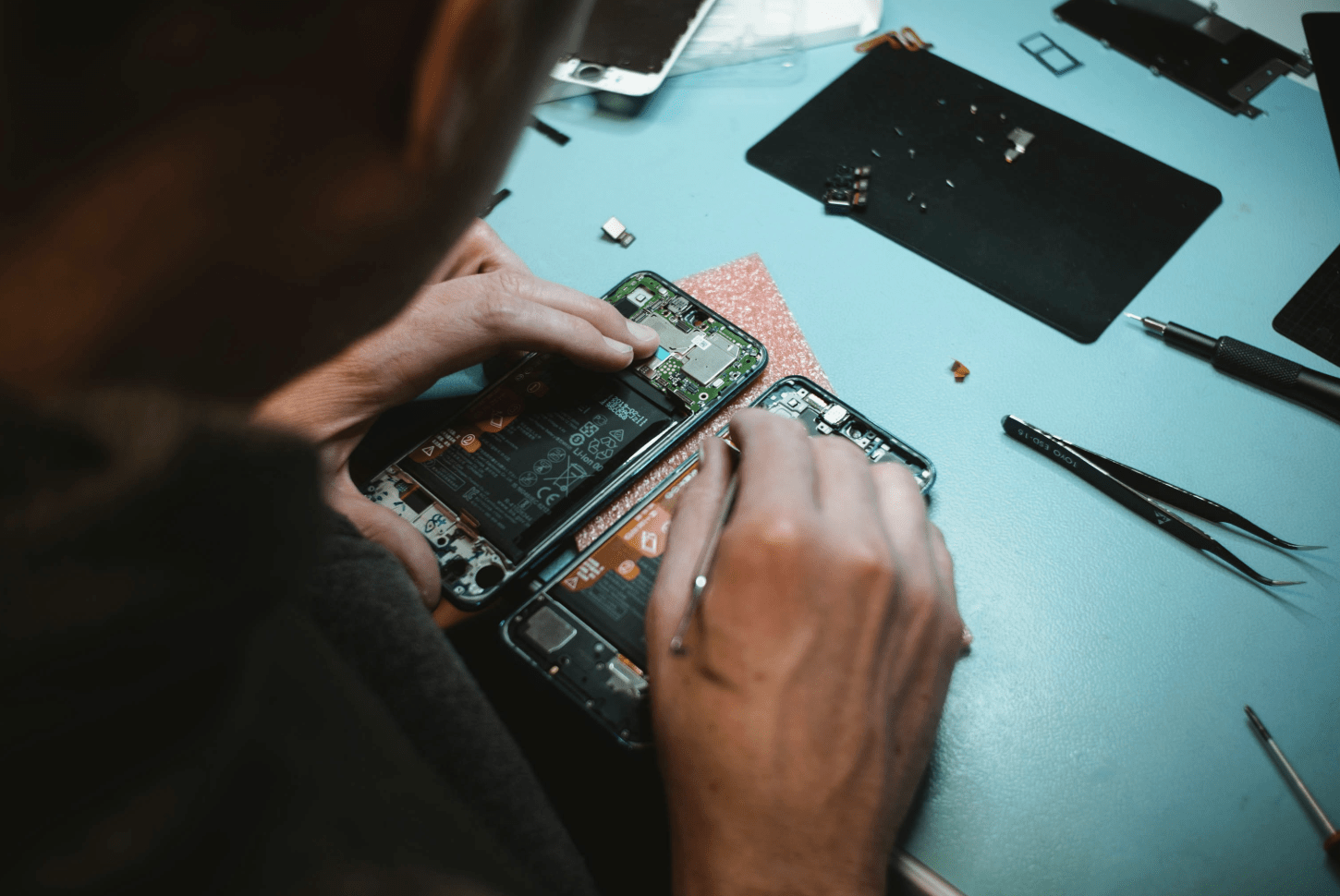
Getmobil grew out of a repair shop that Mehmet and Zeynep stood up themselves, learning the work from the microchip up. They identified what caused problems for merchants. They learned that one bad transaction could dissolve years of trust. And they understood that liquidity drives every decision. All these lessons shaped the platform they built and spared them years of future existential troubleshooting.
Getmobil now processes more than 130,000 devices a year. Phones arrive from national retailers, Samsung and Xiaomi’s online trade-in programs, and thousands of small shops that treat Getmobil like the infrastructure layer they’ve been missing. Apple gave them diagnostic access.
How has Getmobil become such a magnet? Trust is one factor. They hold 24 certified refurbishment licenses, and prize quality above all else. Working capital is the other. Small merchants see higher revenue and faster inventory turnover once they start using Getmobil’s pricing, payout, and credit tools. Those are big advantages in a market where stubborn inflation puts a big premium on speed.
Turkey is Just the Tutorial.
The conditions that shaped Getmobil aren’t unique to Turkey. Markets across the Middle East, North Africa, and Central Asia are facing rising device prices, fragmented retail channels, and customers seeking reliable refurbished options. OEMs and telcos would love to run trade-in programs in these places, but they want to work with a single, local, and reliable partner who can manage the chaos on the ground.
Getmobil has become the operating system for how secondhand electronics move through emerging markets. They’ve filled the missing layer between the tens of thousands of local merchants and giant international companies, building the tools that both desperately need. IFC joined the round because it saw how Getmobil’s model strengthens capital access for small retailers and could scale to many countries. Beyond Turkey, the number of merchants is countless, and the number of companies that have their trust is zero.
Getmobil has already done the hard work by building inside a market that exposes every weakness quickly. They’ve learned how to create structure in a place that usually resists it. They’ve earned trust from merchants who have seen plenty of promises go unfulfilled. They’ve shown up for OEMs and retailers who need real consistency. And they did all of this without fanfare, starting from a cold email sent by founders who were already running a business much bigger than the deck suggested, a true plot twist in the Cold Email Cinematic Universe.
If you’re a founder working in a market that moves fast, feels messy, and doesn’t give you the luxury of slow decisions, then reach out. Rip a page out of Mehmet and Zeynep’s playbook and shoot us an email. We promise to open it.
The post Why You Should Read the Cold Emails appeared first on Lowercarbon Capital.


