
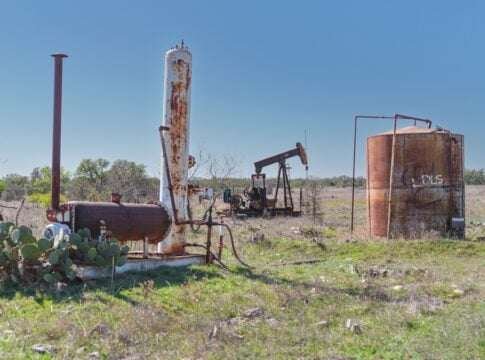
Zefiro Methane Corp. (CBOE CA: ZEFI) is preparing to re-enter the carbon credit market as a new methodology for plugging abandoned oil and gas wells nears completion. The company has supported the development of a new protocol by carbon certification firm Isometric, which could allow Zefiro to generate carbon credits from methane reductions achieved through its well-plugging operations.
In the press release, Zefiro said it helped fund and provide technical input for Isometric’s Orphaned Well Plugging (OWP) Protocol. The draft methodology is currently open for public consultation and could create another revenue stream for the company once finalized.
Abandoned Wells Offer a New Methane Credit Opportunity
The opportunity is significant. According to the International Energy Agency’s (IEA) Global Methane Tracker 2026, abandoned oil and gas wells released around 3.5 million tonnes (Mt) of methane worldwide in 2025. The US accounted for about 40% of these emissions.
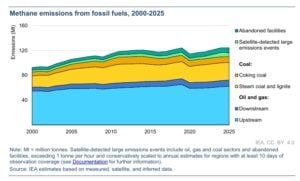
The IEA estimates that nearly 8 million abandoned onshore oil and gas wells exist globally, including almost 4 million in the US. By plugging these leaking wells, companies such as Zefiro could reduce methane emissions and potentially generate carbon credits from verified reductions.
Zefiro Looks to Restart Carbon Credit Generation
Zefiro specializes in methane measurement, emissions reduction, and plugging abandoned and end-of-life oil and gas wells across North America. Its operations cover several stages of the well lifecycle, including methane monitoring, plugging and abandonment, site restoration, and carbon credit origination.
Through its operating subsidiary, Plants & Goodwin, Inc., the company serves government and private-sector customers across 15 U.S. states. Plants & Goodwin is a third-generation well services business with more than 50 years of operating history.
Why is P&G the contractor of choice for dozens of clients undertaking plug and abandonment projects?
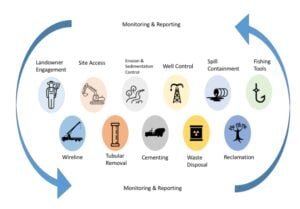
The new Isometric protocol could help Zefiro turn some of its well-plugging work into verified carbon credits. These credits would represent methane emissions avoided by permanently sealing leaking orphaned wells.
Importantly, Zefiro has already established a presence in this market. The company completed the first-ever sale of carbon offsets generated under the American Carbon Registry’s orphaned well methodology. Institutional buyers included Mercuria Energy America and EDF Trading.
Now, the company expects to resume carbon credit origination under Isometric’s upcoming framework. It plans to use the same crews, drilling rigs, and in-house methane measurement capabilities that support its existing operations.
This approach could help Zefiro enter additional projects without building an entirely new operating structure. However, the company must wait for the protocol to be finalized and meet eligibility, verification, and certification requirements before generating credits under the new framework.
Financial Performance and Additional Business Plans
The opportunity comes as Zefiro continues to expand its methane abatement business. The company reported record fiscal 2026 revenue of US$42.5 million, up 31.1% from the previous financial year.
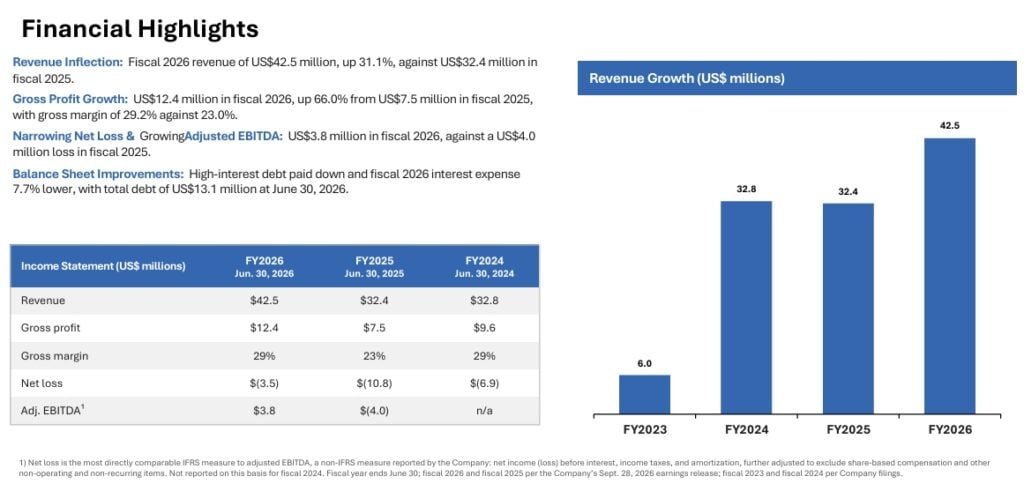
The company expects carbon credit revenue to complement this existing business. Since the new protocol only covers wells that public programs have not scheduled for plugging, carbon-financed projects could expand its addressable work rather than compete with government contracts.
Separately, Zefiro has re-engaged Germany-based Apaton Finance GmbH for investor marketing services. The agreement began on October 29, 2026, and has an expected term of approximately 12 months.
Apaton will provide online articles, digital and email marketing, video interviews, and investor conference presentations, with a primary focus on European markets. Zefiro will pay a monthly cash fee of €24,167, plus applicable taxes. No securities will be issued as compensation.
How the New Isometric Protocol Could Generate Carbon Credits
Isometric released its draft Orphaned Well Plugging Protocol on October 15, 2026. The 30-day public consultation period will remain open until November 14, 2026.
The protocol covers projects in the United States and Canada that permanently plug leaking orphaned oil and gas wells. These wells no longer have an operator responsible for their maintenance or closure, often because the original company became insolvent.
Many remain unplugged and can release methane into the atmosphere. Methane is a powerful greenhouse gas that contributes significantly to near-term global warming.
According to Isometric, the United States has more than 141,000 documented orphaned wells across 29 states, with potentially another 740,000 undocumented wells. Public plugging programs cannot address the entire backlog, creating an opportunity for private investment and carbon finance.
The new protocol aims to direct funding toward wells that release measurable amounts of methane.
To qualify, projects must demonstrate that:
- The well is genuinely orphaned and has no responsible operator.
- A public plugging program has not scheduled the well for closure.
- The well would not be plugged without carbon finance.
- Project developers have the necessary operating rights and landowner consent.
The methodology also introduces strict measurement and monitoring requirements. Developers must directly measure methane leakage at each well before plugging. They then estimate the emissions that would continue over a 20-year crediting period using a conservative decline rate.
Furthermore, projects must provide engineering evidence that enough gas remains in the underlying reservoir to support the projected leakage estimates.
Every plugged well must also pass a permanence check 12 to 18 months after closure. Isometric will withhold a portion of the carbon certificates until this check confirms that the well remains properly sealed.
These requirements aim to ensure that credits represent actual, measurable methane reductions rather than estimated benefits based on broad assumptions.
Zefiro Chief Executive Officer Catherine Flax commented:
“Zefiro helped demonstrate that institutional buyers will pay for methane reductions from plugged orphaned wells, and we are pleased to support Isometric’s work on a protocol grounded in direct field measurement. For our shareholders, the opportunity is additive. Carbon finance gives us a way to plug orphaned wells that no public program is scheduled to address, using the same crews and equipment that already serve our government and private-sector customers.”
Carbon Credit Market Creates Another Growth Opportunity
The proposed methodology arrives as institutional interest in carbon credits continues to grow.
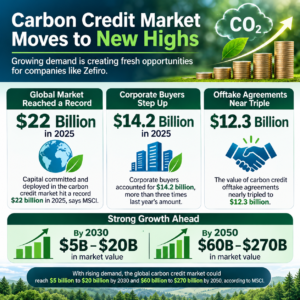
- According to MSCI data cited in Zefiro’s announcement, capital committed and deployed in the global carbon credit market reached a record US$22 billion in 2025. Corporate buyers accounted for US$14.2 billion, more than three times the previous year’s amount.
Meanwhile, the value of carbon credit offtake agreements nearly tripled to US$12.3 billion.
MSCI estimates that the global carbon credit market could reach US$5 billion to US$20 billion by 2030. By 2050, its potential value could rise to between US$60 billion and US$270 billion.
However, buyers are becoming more selective. They increasingly want credits supported by reliable measurements, independent verification, and clear evidence of emissions reductions.
Methane reduction projects could benefit from this shift because they target a highly potent greenhouse gas and can demonstrate reductions through direct field measurements.
Zefiro believes the Isometric protocol could help attract institutional buyers looking for credible methane credits. The company has already sold credits to established energy trading firms, giving it some experience in commercializing these environmental assets.
What Comes Next for Zefiro?
The proposed Isometric protocol could open a new opportunity for Zefiro in the voluntary carbon market. Its existing well-plugging operations, methane measurement capabilities, and previous carbon credit sales give it an operating foundation to pursue this opportunity.
Nevertheless, the methodology remains in the consultation stage. Its final requirements, project eligibility, independent verification, and eventual credit issuance will determine how much revenue Zefiro can generate.
For now, the development offers a potential way to combine methane abatement with carbon finance. If the protocol moves forward successfully, Zefiro could use carbon credit revenue to support the plugging of more abandoned wells while expanding its presence in the growing market for verified emissions reductions.
The post Zefiro Targets New Carbon Credit Revenue from Abandoned Methane-Leaking Oil Wells appeared first on Carbon Credits.


