

Zero waste has become one of the most important goals in commercial sustainability, yet it remains one of the most misunderstood concepts in waste management. Many organizations assume zero waste simply means adding more recycling bins or increasing recycling rates. In reality, zero waste is much bigger.
A true zero waste strategy requires organizations to redesign waste systems, improve operational workflows, reduce contamination, support occupant behavior, and rethink how materials move through buildings from the very beginning.
At Recycle Away, we work with architects, universities, property managers, corporations, stadiums, transportation systems, and facilities teams to create integrated waste and recycling systems that support sustainability goals, operational efficiency, occupant engagement, and long-term diversion performance.
Whether an organization is pursuing zero waste certification, improving diversion rates, supporting LEED certification, or redesigning a workplace sustainability strategy, success starts with understanding what zero waste actually means.
What Does Zero Waste Actually Mean?
Zero waste is a systems-based approach focused on reducing waste generation and diverting materials away from landfill and incineration through:
- Waste reduction
- Reuse
- Composting
- Recycling
- Smarter procurement
- Better operational design
The goal of zero waste is not simply to manage trash more effectively. The goal is to redesign systems so less waste is created in the first place.
This means zero waste impacts:
- Purchasing policies
- Building design
- Occupant behavior
- Custodial operations
- Food service systems
- Loading dock workflows
- Waste collection infrastructure
- Sustainability reporting
- Vendor coordination
Organizations pursuing zero waste quickly discover that waste is one of the most visible demonstrations of sustainability inside a facility. Employees, students, guests, visitors, and customers interact with waste systems every single day.
Poorly designed waste systems create contamination, confusion, operational inefficiencies, and a disconnect between sustainability goals and user experience.
Well-designed zero waste systems create:
- Higher diversion rates
- Cleaner facilities
- Better occupant participation
- Improved operational efficiency
- Stronger sustainability branding
- Better certification outcomes
What Is the Difference Between Recycling and Zero Waste?
Recycling is only one component of a zero waste strategy.
A recycling program focuses primarily on diverting recyclable materials from landfill.
A zero waste program focuses on redesigning the entire material system to reduce waste generation while maximizing recovery and reuse.
Recycling Programs Typically Focus On:
- Collection of recyclable materials
- Landfill diversion
- Recycling access
- Material sorting
Zero Waste Programs Focus On:
- Waste prevention
- Reuse systems
- Composting infrastructure
- Purchasing decisions
- Operational workflows
- User behavior
- Waste audits
- Contamination reduction
- Circular material systems
- Long-term sustainability performance
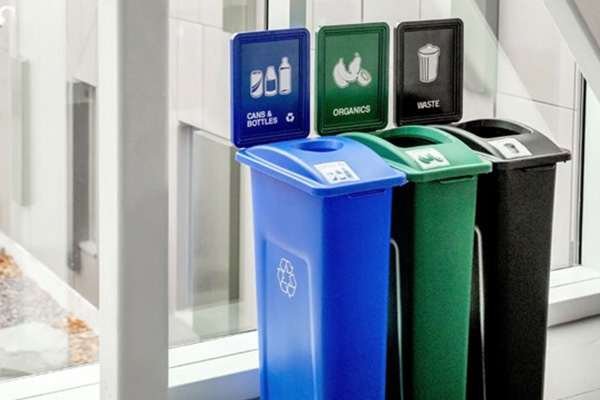
An organization can recycle large amounts of material while still generating significant waste.
Zero waste asks a broader question:
“How do we redesign operations so less waste exists at all?”
This shift transforms waste management from a disposal challenge into a systems design strategy.
The Role of Waste in the Triple Bottom Line | Sustainable Facilities Guide
What Diversion Percentage Qualifies as Zero Waste?
Most recognized zero waste certification frameworks define zero waste as achieving at least a 90% diversion rate from landfill and incineration.
That means at least 90% of discarded materials are:
- Recycled
- Reused
- Composted
- Donated
- Recovered through approved diversion methods
However, diversion percentage alone does not tell the full story.
A facility may achieve a high diversion rate temporarily through aggressive sorting, while another facility achieves similar results through long-term waste reduction and operational redesign.
The strongest zero waste programs focus on:
- Diversion performance
- Reduction in overall waste generation
This is why organizations should track:
- Diversion percentage
- Waste generation per occupant
- Recycling contamination
- Compost recovery
- Reuse metrics
- Waste hauling data
- Material stream composition
At Recycle Away, we help organizations create standardized waste and recycling systems that support measurable diversion improvement while improving the user experience throughout the facility.
How Do We Achieve Zero Waste Certification?
Zero waste certification requires more than adding recycling containers.
Most certification frameworks require organizations to demonstrate:
- High diversion rates
- Waste reduction strategies
- Waste audits
- Operational procedures
- Employee education
- Material tracking
- Ongoing performance measurement
Recognized frameworks include:
- TRUE Certification
- Zero Waste International Alliance standards
- Regional and municipal zero waste certification programs
Common Requirements Include:
- 90% or greater diversion
- Waste stream analysis
- Composting implementation
- Recycling contamination reduction
- Sustainable purchasing policies
- Occupant engagement
- Documented operational processes
- Continuous improvement planning
Facilities pursuing certification often struggle when waste infrastructure is inconsistent throughout the building.
Successful certification strategies require alignment between:
- Front-of-house waste systems
- Custodial operations
- Dock management
- Hauler coordination
- Occupant education
- Sustainability reporting
How Do We Redesign Systems to Prevent Waste?
The most successful zero waste programs are designed holistically from the beginning.
Design Waste Systems Early
Waste and recycling systems should be integrated during:
- Architectural planning
- Space programming
- Workplace strategy
- Campus planning
- Food service design
- Sustainability planning
Waste infrastructure should never be treated as an afterthought.
Standardize Front-of-House Recycling Systems
Occupants make disposal decisions quickly.
Consistent systems improve participation and reduce contamination through:
- Standardized streams
- Clear signage
- Restricted openings
- Consistent colors
- Unified messaging
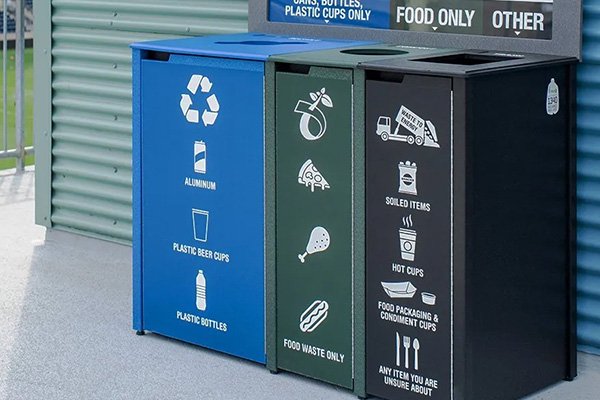
3-Stream Recycling Stations AND Custom Signage
Build Strong Back-of-House Operations
Many zero waste initiatives fail because they focus only on visible recycling bins while ignoring operational workflows.
Organizations must evaluate:
- Collection routes
- Custodial efficiency
- Loading dock design
- Waste staging areas
- Compactors
- Material handling
- Hauler logistics
Reduce Waste Through Procurement
The easiest waste to manage is waste that never enters the facility.
Strong zero waste programs often include:
- Reduction of single-use materials
- Sustainable purchasing standards
- Reusable systems
- Packaging reduction
- Vendor collaboration
Use Waste Audits and Data
Waste audits help organizations understand:
- What materials are being discarded
- Where contamination occurs
- Which streams are underperforming
- How occupants interact with systems
- Where operational improvements are needed
How to Conduct a Waste Diversion Audit
At Recycle Away, waste audits and system assessments help organizations identify opportunities to improve diversion, user participation, and operational performance.
How Much Does a Zero Waste Program Cost?
Zero waste program costs vary depending on:
- Facility size
- Existing infrastructure
- Diversion goals
- Operational complexity
- Composting availability
- Certification requirements
Typical investments may include:
- Waste audits
- Recycling bins
- Compost collection systems
- Signage
- Training
- Reporting tools
- Operational consulting
- Custodial process redesign
Common Cost Categories
| Program Component | Typical Investment |
|---|---|
| Waste audit | Low to moderate |
| Recycling and compost bins | Moderate |
| Signage systems | Low |
| Composting infrastructure | Moderate |
| Training and education | Low |
| Data tracking systems | Low to moderate |
| Full waste system redesign | Higher investment |
Organizations often discover operational savings through:
- Reduced landfill hauling
- Lower contamination fees
- Better collection efficiency
- Reduced consumable purchasing
- Improved operational consistency
Strong zero waste systems also support:
- ESG reporting
- Occupant engagement
- Tenant experience
- Student recruitment
- Corporate sustainability goals
- Public sustainability commitments
Ultimate Guide to Reducing Business Waste and Lower Disposal Costs, Save Money by Recycling.
How Does Waste Support LEED Certification?
Waste management plays a critical role in LEED certification and sustainable building operations.
Waste systems contribute to multiple LEED categories including:
- Materials and Resources
- Operations and Maintenance
- Indoor Environmental Quality
- Innovation
LEED Waste Strategies Include:
- Recycling collection infrastructure
- Construction waste management
- Ongoing consumables programs
- Waste audits
- Occupant education
- Sustainable purchasing
- Performance tracking
Well-designed waste systems support broader building goals related to:
- Occupant wellness
- Sustainability visibility
- Operational performance
- ESG initiatives
- Workplace experience
Because waste systems are highly visible to occupants, they often become one of the clearest demonstrations of a building’s sustainability strategy.
This is why architects, property managers, workplace strategists, and facilities teams increasingly integrate waste planning into the earliest stages of building design.
LEED-Ready Waste Reporting Toolkit
Waste Management Program Guide
What KPIs Should Facilities Teams Track?
Facilities teams need measurable data to improve zero waste performance over time.
The strongest programs combine environmental metrics with operational and behavioral KPIs.
Core Zero Waste KPIs
Diversion Rate
Tracks the percentage of materials diverted from landfill.
Contamination Rate
Measures incorrect materials placed in recycling or compost streams.
Stop Wishcycling: How to Avoid Contaminating Your Recycling
Waste Generated Per Occupant
Measures total waste generation normalized by building population.
Recycling Capture Rate
Measures how much recyclable material is successfully recovered.
Compost Recovery Rate
Tracks organic waste diversion performance.
Hauling Frequency
Helps optimize operational efficiency and container sizing.
Custodial Labor Efficiency
Measures collection and operational performance.
Material Stream Analysis
Tracks:
- Paper
- Plastic
- Organics
- Metal
- Landfill waste
- Reusable materials
Occupant Participation
Measures engagement and system adoption.
Cost Per Ton Diverted
Tracks operational cost efficiency.
Organizations that track these KPIs consistently are better positioned to:
- Improve diversion
- Reduce contamination
- Support certification programs
- Demonstrate ESG progress
- Improve operational efficiency
- Validate sustainability investments
Zero Waste Is About Designing Better Systems
Zero waste is not simply about recycling more.
It is about creating smarter systems that support sustainability, operations, occupant behavior, and long-term environmental performance.
The most successful organizations approach zero waste as:
- A facilities strategy
- An operational strategy
- A design strategy
- A behavioral strategy
- A sustainability strategy
At Recycle Away, we help organizations build integrated waste and recycling systems that support:
- Zero waste goals
- LEED certification
- Occupant engagement
- Sustainable operations
- Waste diversion performance
- Brand visibility
- Long-term scalability
From recycling bins and compost collection systems to waste audits, zero waste assessments, signage programs, and facility-wide infrastructure planning, successful zero waste programs begin with thoughtful systems design.


