
Watering plants isn’t just a chore for me — it’s one of my favorite moments of the day. As an agriculture scholar and gardening enthusiast, I deeply care about how I irrigate my plants. The right tool can make all the difference.
Recently, I started using the Fasmov Plastic Watering Can (1-Gallon, Deep Gray), and I want to share my honest experience and thoughts in this detailed review. I will cover what this product is, how it works, its strengths and weaknesses.
What Is Fasmov 1 Gallon Deep Gray Plastic Watering Can?
The Fasmov Plastic Watering Can is a simple but well-designed water container used to pour water into indoor, outdoor, or garden plants. It holds about 1 gallon (approximately 4 liters) of water.
It is made out of durable plastic, colored deep gray, and has a long, narrow stem (spout) for precise watering. The handle is ergonomically designed so that pouring is comfortable, and because of its capacity, you don’t need to refill it too often. Here is a detailed overview of the product:
- Brand: Fasmov
- Material: High-quality, strong plastic
- Color: Deep gray
- Capacity: 1 gallon (~4 liters)
- Dimensions: About 10.5 inches long, 15 inches high, and 5.5 inches wide
- Durability: The plastic is wear-resistant and built to last a long time.
- Applications: Suitable for indoor plants, garden plants, office plants, or even small landscaped areas.
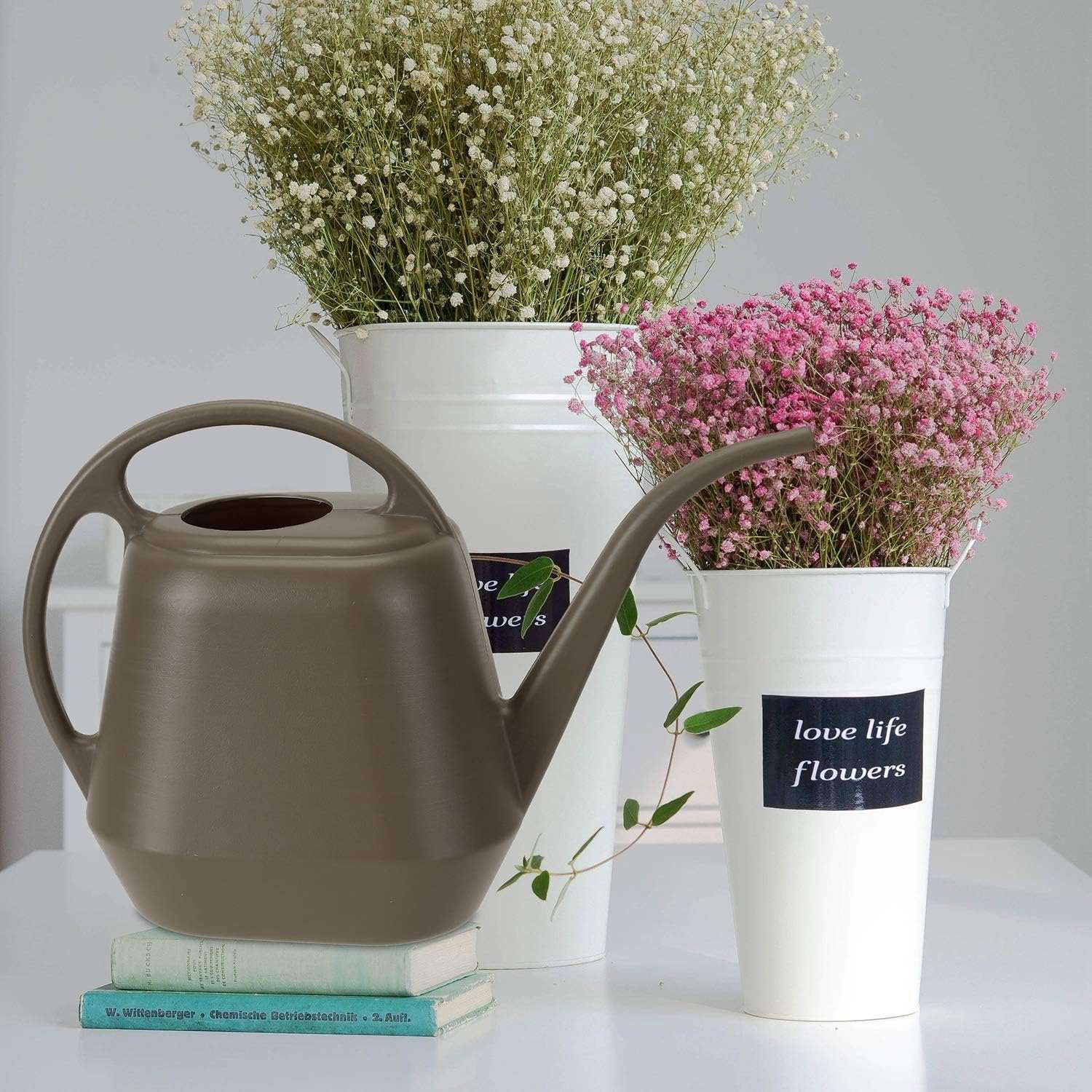
Design Features:
i. Long-stem spout: The narrow, long spout helps to direct water precisely, such as between plant leaves or into the soil near roots.
ii. Ergonomic handle: The handle is balanced so pouring is easy and comfortable, whether the can is full or nearly empty.
iii. No cap on top: You can fill the can easily since there is a large opening; no separate cap to remove or lose.
iv. Design Purpose: The can was made not just for function, but also to look clean and simple — Fasmov describes its products as affordable, high-quality, and designed to fit into daily life, in garden or home settings.
Pros & Cons of Fasmov Plastic Watering Can
| Pros | Cons |
|---|---|
 Durable Material: Made from strong, high-quality plastic that resists wear. Durable Material: Made from strong, high-quality plastic that resists wear. |
 Plastic Material: While light, plastic is less robust than metal in some cases, and may degrade with long sun exposure. Plastic Material: While light, plastic is less robust than metal in some cases, and may degrade with long sun exposure. |
| Lightweight: Because it’s plastic, even when full, it’s easier to carry than metal cans. |
Basic Design: It’s plain-looking, not decorative — if you want a pretty watering can, this may feel too simple. |
| Precise Watering: The long, narrow spout allows for accurate watering without splashing leaves or spilling. |
Capacity Limit: 1 gallon is good for many plants, but for large gardens or many plants, you may need more frequent refills compared to larger cans. |
| Ergonomic Design: Balanced handle makes pouring easier and more controlled. |
No Sprinkler Head: Some watering cans have nozzle or “rose” heads for gentle spraying; this one is just a spout, which may be less gentle for delicate seedlings. |
| Good Capacity: With 1-gallon volume, you don’t need to refill it too often, which saves time. |
Plastic Taste or Odor: Depending on quality, some plastics may cause a slight smell or leach taste if water sits for a long time (though I did not experience this significantly). |
Why y Plastic Watering Cans Matter?
A watering can is more than just a bucket with a spout — it’s an essential tool in gardening. Good digital irrigation systems and sprinklers are great, but for many gardeners (especially in small-scale or indoor gardening), a watering can remains crucial. It gives you direct control over how much water each plant gets, where exactly the water goes, and how gently you deliver it.
Watering plants correctly is both an art and a science. Too much water, and roots can rot; too little, and plants suffer drought stress. The long, narrow spout of the Fasmov can helps in precise watering directly to the base of the plant, reducing water wasted on leaves where it may evaporate or encourage fungal growth.
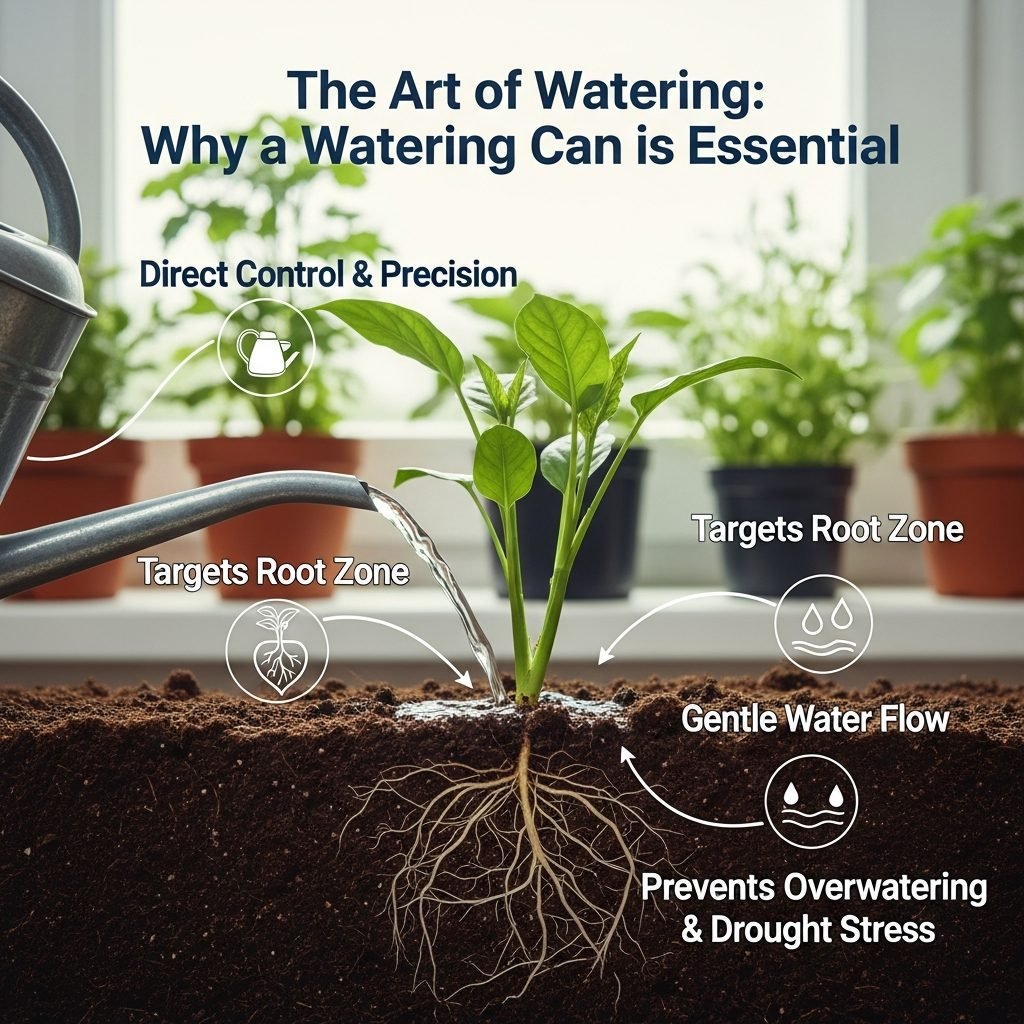
Watering at the root zone is particularly important because most water uptake happens in that part of the plant. For seedlings or delicate plants, gentle water flow helps prevent soil compaction and protects root structure.
Ergonomics also matter: a balanced handle reduces strain on your wrist and arm, making it easier to water regularly without discomfort. This encourages consistent watering — a critical factor in plant health.
My Experience with Fasmov Watering Can
Here, I will describe how I set up my space and how I have used the Fasmov watering can in my own gardening routine.
a. Location: I have a small balcony garden and a few indoor potted plants.
b. Plant Types: I grow a mix — vegetables (tomatoes, basil), flowering plants (roses, marigolds), and a few houseplants (ferns, pothos).
c. Water Source: I fill the can from my tap water storage. Sometimes I use rainwater collected in a barrel for the balcony plants.
d. Watering Frequency: Usually, I water every other day in hot weather and every two to three days when it’s cooler or plants are less thirsty.
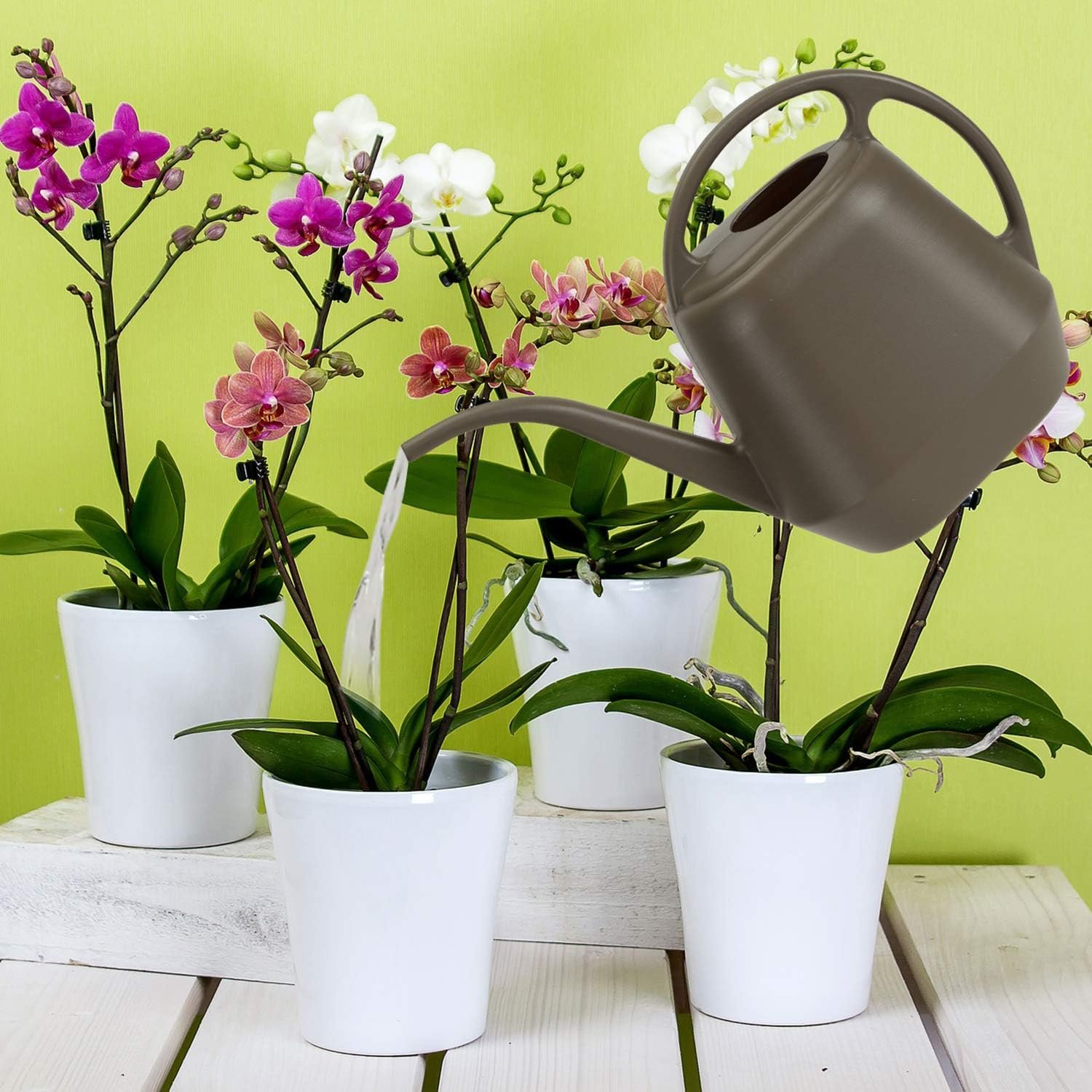
e. Filling: The wide opening makes it very easy to fill. I don’t struggle with spilt water, and because there is no cap, I don’t have to fumble to open anything.
f. Pouring / Watering: The long, narrow spout is a game-changer. I can precisely water the soil base of my tomato plants, avoiding the leaves, which helps reduce the risk of fungal diseases. For my small pots of basil and ferns, the spout reaches easily between the foliage.
g. Balance & Handling: When the can is full, holding it by the top handle gives good control — and when it’s nearly empty, I grip from the back, which feels natural and balanced. I don’t feel like I will spill.
h. Durability: Over several months of use, the plastic hasn’t cracked or shown signs of wear. Even when I leave it outside in shade, it retains its shape.
i. Refilling Frequency: With 1-gallon capacity, I don’t need to refill as often as I used to with my old, smaller can. This saves me time and effort.
j. Limitations Noted: For very delicate seedlings, the flow is a little more forceful than I’d like, since there is no fine spray “rose” attachment. Also, if I leave it in direct sunlight (which I try to avoid), I wonder about plastic degradation over many seasons, though I haven’t had a problem yet.
Overall, the experience has been very positive. For daily watering of most of my plants, the Fasmov can is reliable, easy to use, and efficient.
Performance of Fasmov 1 Gallon Plastic Watering Can
Now let’s evaluate the performance of the Fasmov watering can in key areas that matter to gardeners:
i. Precision: Excellent. The long, narrow spout lets me direct water exactly where I need it — at the soil level.
ii. Ease of Use: Very good. Ergonomic handle, light weight, and easy to fill.
iii. Durability: Good. Plastic seems strong and doesn’t flex or crack under normal use.
iv. Capacity Efficiency: Reasonable. 1 gallon is a good balance — enough holds to be useful, but not so much that it becomes heavy.
v. Value for Money: Very good. For a plastic watering can with this capacity and design, it’s cost-effective compared to metal options.
vi. Aesthetic / Practicality Balance: Moderate. While it is not decorative or fancy, its design is functional and clean.
In real garden use, it performs reliably. I have been able to water both large and small plants without spills and without needing too many trips to refill.
Practical Tips for Fasmov Plastic Watering Can
Based on my experience, I want to share some practical tips for using this watering can effectively:
a. Use in Shade When Possible: If you’re storing it outdoors, try to keep it in a shaded area. This helps protect the plastic from UV damage and prolongs its life.
b. Use Room-temperature Water: Especially for sensitive plants or seedlings, letting the water warm to room temperature before watering is helpful so you don’t shock the roots.
c. Pour Slowly: Tilt the can slowly to maintain control of water flow. This helps prevent soil splash or overflowing.
d. Water at the Root Zone: Use the long spout to aim water at soil near the plant base, not on the leaves; this encourages deeper root growth and reduces disease risk.
e. Clean Occasionally: Rinse out the can periodically to avoid algae or debris buildup, especially if using stored rainwater.
f. Mark Water Level: If you want consistent watering dosages, mark your can (e.g., using a waterproof marker) to know how much water you are giving each plant.
g. Avoid Harsh Chemicals in It: If you’re mixing fertilizers or strong solutions, rinse the can well afterward — some plastics may degrade over time or absorb odors.
h. Use for Seedlings Carefully: Because there’s no fine spray head, consider combining with a small misting bottle or using a gentle method for delicate seedlings.
Comparison with Alternatives Watering Can
It’s useful to compare this watering can with other common watering methods to understand its strengths and where other tools might be more appropriate.
| Feature / Model | Fasmov 1-Gallon Watering Can | Standard Plastic Watering Can | Metal Watering Can |
|---|---|---|---|
| Material | Durable high-quality plastic | Basic plastic, less durable | Metal, strong but heavier |
| Capacity | 1 gallon / 4 liters | 1 gallon / 4 liters | 1 gallon / 4 liters |
| Spout Design | Long, narrow spout for precise watering | Short, wider spout, less precise | Long spout, may have rose/nozzle head |
| Handle | Ergonomic, balanced for easy pouring | Simple, top handle only | Top and back handle, can be heavy when full |
| Durability | High — resistant to cracking | Medium — can crack over time | High — long-lasting but prone to rust |
| Price | Affordable | Very low-cost | Higher price than plastic |
| Best Use | Indoor & outdoor plants, precise watering | Small garden or indoor plants | Decorative or outdoor garden plants |
Final Recommendation
After using the Fasmov Plastic Watering Can, 1‑Gallon (Deep Gray) for several weeks and reflecting on its design, performance, and practical value, here is my conclusion and recommendation:
Who Is It Best For?
- Beginners and casual gardeners who don’t need a massive can.
- People with indoor or container plants, where precision watering matters.
- Gardeners on a budget who want a durable, decent-quality plastic watering can.
- Anyone who wants to water by hand and values control over their watering.
When It Might Not Be Ideal:
- If you are looking for a decorative or vintage-style can, you might want a metal or ceramic can.
- If you have a very large garden and prefer automated irrigation, a watering can might feel limiting.
If environmental sustainability is your top concern, and you avoid plastic altogether, you might explore recycled-metal or biodegradable options.
Care Tips to Extend its Life:
- Rinse and empty after each use to avoid stagnation.
- Store in shade or indoors to reduce UV exposure.
- Clean periodically with mild soap to remove mineral residues.
- Avoid leaving water in it overnight in freezing weather.


