
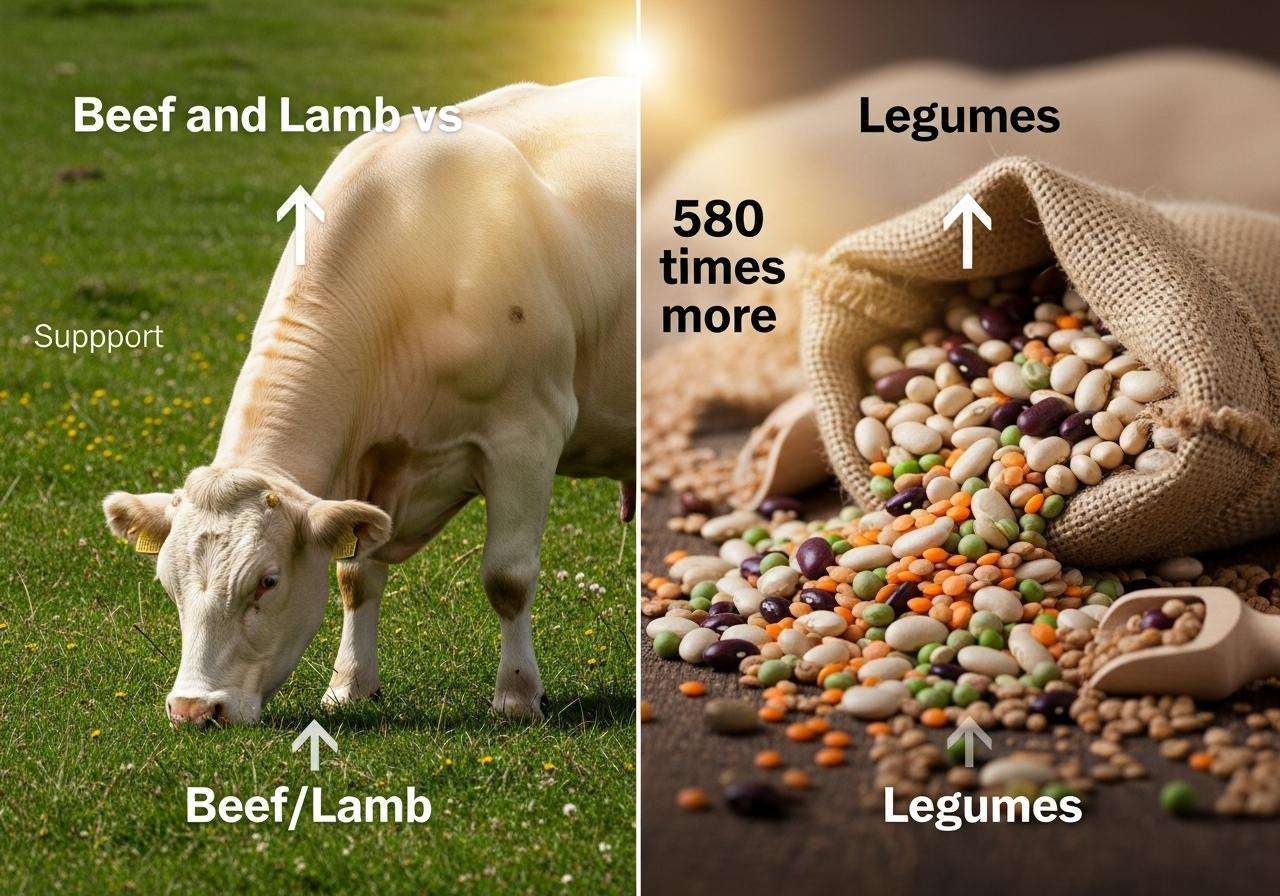
Beef and Lamb Get 580 Times More in EU Subsidies Than Legumes, Study Finds
Introduction to EU Agricultural Subsidies
For decades, the EU’s Common Agricultural Policy (CAP) has been one of the most significant financial frameworks in the world, shaping not just how Europe eats, but how it farms. The CAP was born from a simple need: to ensure food security and protect rural livelihoods after the devastation of postwar Europe with subsidies via direct payments and market supports became the tools for stability.
This system distributes tens of billions of euros annually to farmers across the continent with its intent remaining noble in that it pledges to: support farmers, protect jobs, and maintain the countryside. But as the climate crisis has intensified, those same subsidies now face scrutiny for what they’re incentivizing and what they’re not.
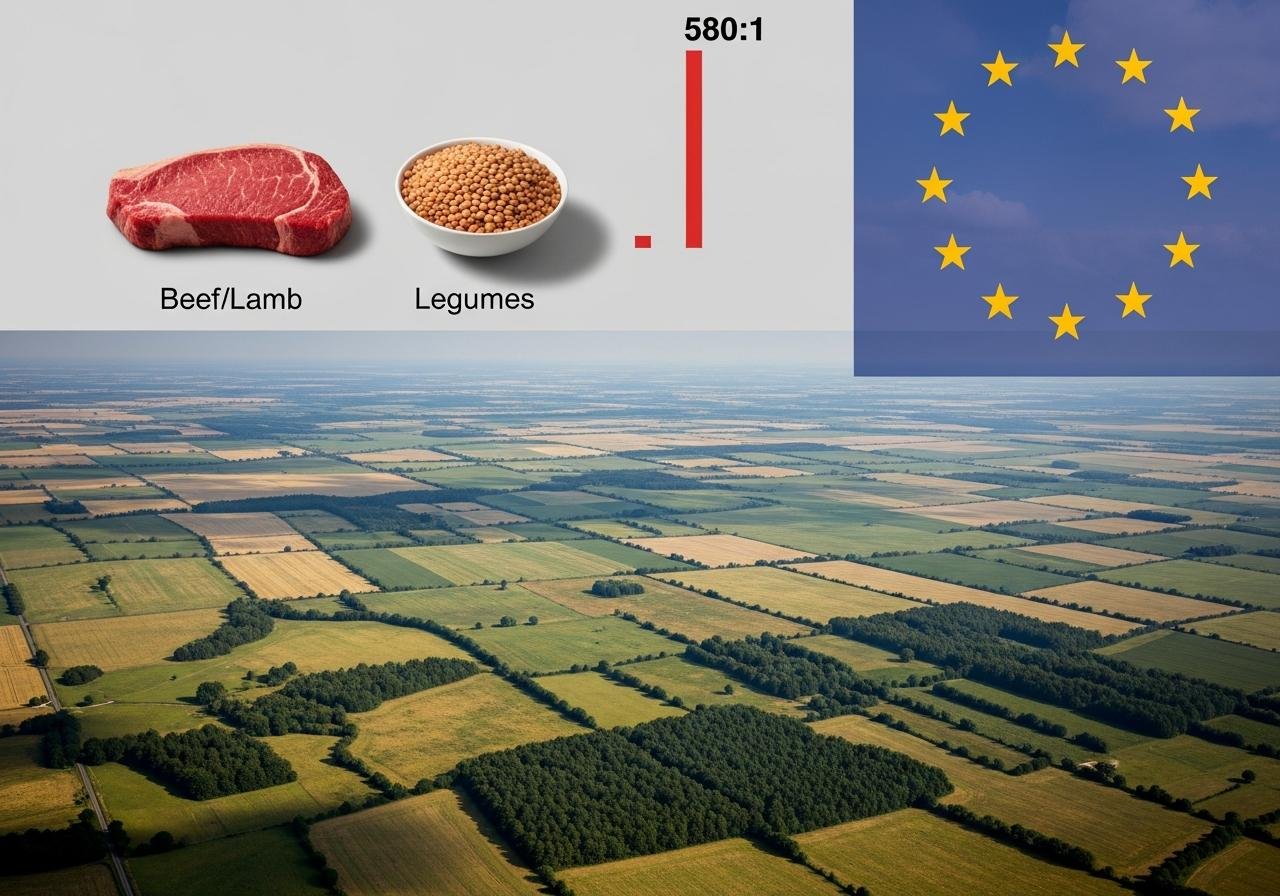
Subsidies for Beef and Lamb in the EU
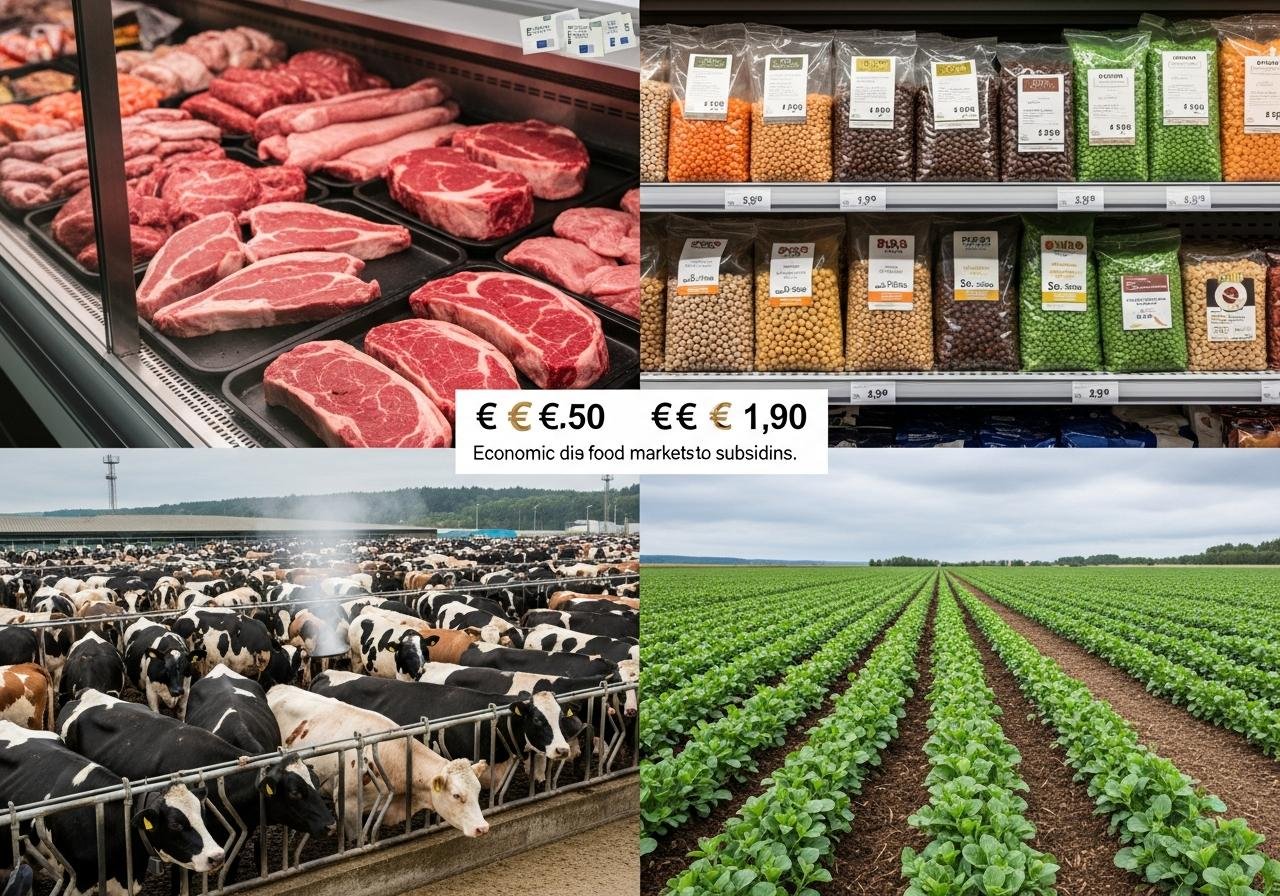
According to the study, beef and lamb producers receive the lion’s share of subsidy funds and the numbers show that livestock farmers have historically been prioritized, partly because these sectors are politically powerful and deeply rooted in European culture. Meat production, especially cattle and sheep, also creates higher per-farm incomes and supports extensive rural supply chains from feed producers to butchers.
However, the environmental cost is significant with livestock farming being responsible for a large share of agricultural greenhouse gas emissions, particularly methane, which traps heat far more effectively than carbon dioxide. Despite that, economic and political inertia keeps funneling money toward meat production. Countries like France, Ireland, and Spain with strong beef and lamb industries often lobby to protect those payments. The result: a funding system that props up emissions-intensive farming while underfunding alternatives that could help cut them. T
Legumes as a Sustainable Alternative
Legumes may not have the political glamour of steak or roast lamb, but from a sustainability standpoint, they’re agricultural rock star with beans, peas, and lentils pulling nitrogen from the air and storing it in the soil, thereby also reducing the need for synthetic fertilizers – themselves a major source of carbon emissions.
They thrive in rotation, improve soil health, and require far less water than livestock feed crops in terms of financial and ecological costs per calorie or gram of protein.
Simultaneously on the human side, legumes are nutritional powerhouses: high in protein, low in saturated fat, and rich in fiber. A diet that includes more pulses and fewer animal products can improve public health while dramatically slashing environmental footprints. (I myself try to get in some variety of lentils and beans in my diet daily).
Yet within the EU, legume cultivation remains limited, accounting for only a small fraction of farmland and without strong financial incentives, most farmers find it economically unviable to shift away from livestock or cereal-focused systems – and the subsidies plays a not insignificant role. .
Disparity in Subsidies: Beef and Lamb vs. Legumes
One of the main reasons legumes lag behind in subsidy schemes is the way payments are calculated. Many are linked to hectares of “eligible land” or historical production levels, both of which favor livestock farmers. The result is a system that unintentionally discourages more sustainable crop rotations and biodiversity benefits that legumes could deliver.
Economic and Environmental Implications
Economically, this imbalance distorts markets. Beef and lamb are effectively cheaper than they should be when public subsidies mask their environmental costs. Meanwhile, legumes which build soil fertility and reduce emissions struggle to compete. The disparity also limits innovation in Europe’s plant-protein sector, a field with growing demand as consumers seek lower-carbon food options.
Environmentally, the stakes are even higher. Livestock subsidies exacerbate methane emissions and land degradation, while underfunding legumes slows progress on EU climate goals. Rebalancing could create ripple effects: lower emissions, improved soil health, and a more diversified agricultural economy that’s resilient to climate shocks.
Recommendations for Policy Change
Several experts argue that reforming CAP payments to reward environmental performance rather than production volume is essential. Redirecting even a fraction of livestock subsidies toward legumes could transform the sector. Some countries are already experimenting with eco-schemestargeted payments for sustainable practices like crop rotation, cover cropping, or planting nitrogen-fixing plants.
Policy shifts could include:
- Creating dedicated support for legume cultivation within CAP frameworks.
- Incentivizing mixed farming systems that integrate legumes alongside grains or forages.
- Funding research and market development for plant-based proteins produced in Europe.
These steps would align EU spending with its own Green Deal and “Farm to Fork” sustainability goals.
Public and Stakeholder Response
Future Prospects for EU Agricultural Subsidies
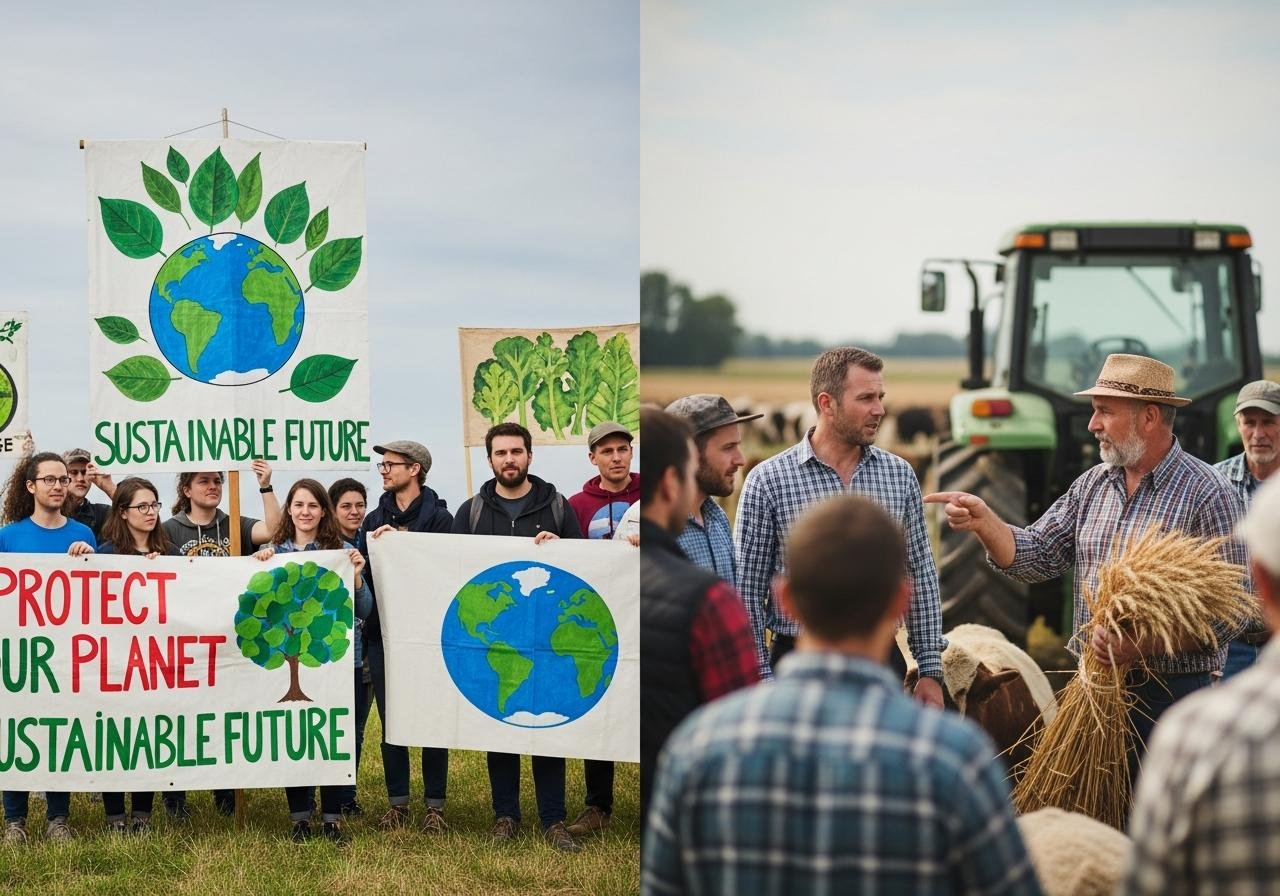
There are early signs of change. As climate targets tighten and public opinion shifts toward sustainable farming, future subsidy strategies may tilt toward crops like legumes that align with environmental goals. The transition won’t be simple policy reform rarely is but the long-term benefits are clear. Supporting legumes could strengthen food security, reduce emissions, and offer farmers new economic opportunities.
Public money shapes what we grow and eat. If that money starts favoring plants that heal the land instead of those that exhaust it, the ripple effects could redefine European agriculture for the next generation.
FAQs
1. What did the study find about EU subsidies?
The study found that beef and lamb production receive around 580 times more subsidies from the European Union compared to legumes such as lentils, beans, and peas.
2. Why are beef and lamb heavily subsidized in the EU?
Subsidies under the European Union agricultural system historically support livestock farmers to stabilize incomes, ensure food supply, and maintain rural economies. The European Commission oversees these agricultural policies.
3. What are legumes, and why are they important?
Legumes include crops like lentils, chickpeas, and beans. They are important because:
-
They improve soil health by fixing nitrogen
-
They require less water than livestock
-
They produce far fewer greenhouse gas emissions
-
They are high in plant-based protein
4. How do beef and lamb impact the environment?
Beef and lamb production generate high levels of methane emissions, require large land areas, and contribute significantly to deforestation and climate change compared to plant-based protein sources.
5. Why is the subsidy gap controversial?
Critics argue that the subsidy imbalance contradicts the EU’s climate goals under initiatives like the European Green Deal, which aims to reduce emissions and promote sustainable agriculture.
Reference: https://www.theguardian.com/environment/2026/feb/19/beef-lamb-legumes-eu-subsidies-study
The post Beef and lamb get hundreds of times more in EU subsidies than legumes appeared first on Green.org.


