
The line to farm succession has had twists and turns, but for Ontario dairy farmers Clarence Markus and Paul MacLeod and their families, it’s ultimately been successful.
Both had growth mindsets, which allowed their children to create their own farming futures.
WHY IT MATTERS: Farm succession is made easier when farms are managed with how to finance the next generation in mind.
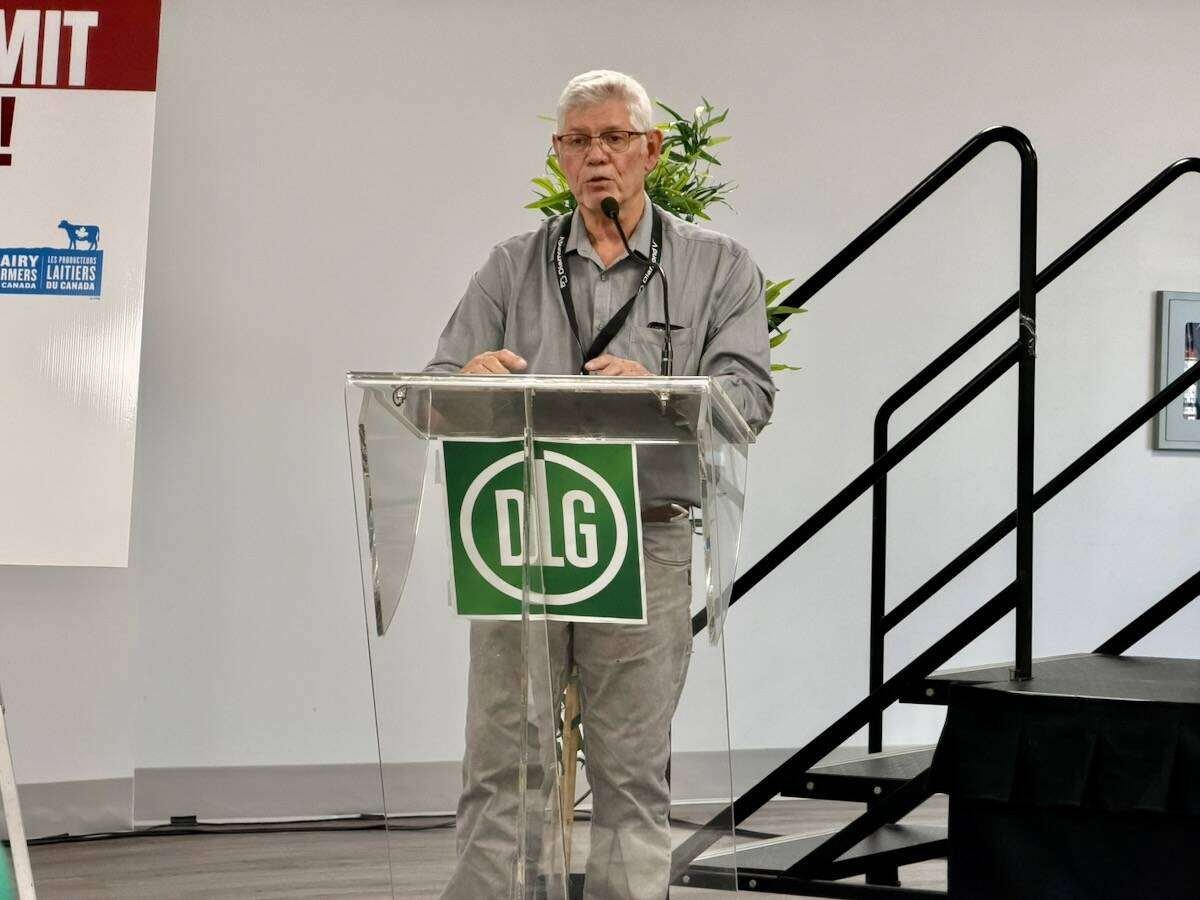
Markus and MacLeod shared their succession journeys at the Canadian Dairy Business Summit, held recently in Stratford, ahead of the Canadian Dairy Xpo.
MacLeod’s family has relocated three times due to speculators luring them away from farm properties and a belief that better land promised a brighter future. The first was in 1968 when speculators bought the land his father farmed in the Niagara region.
The second was in Stevensville, where the land was clay and crops were poor. The family left for the dairy heartland of Woodstock in 1983, where MacLeod and his family farmed until 2016.
They now farm near Embro, milking 120 head.
Paul met his wife, Ellen, who was from Wisconsin, while clipping at the World Dairy Expo. They got married, and Ellen moved to Ontario, becoming a dual citizen. They worked to obtain dual citizenship for their children, Jared, Kyle and Jessica in case they wanted to work in the United States.
MacLeod’s family’s farms have always operated under an ownership structure based on shares, which affects how farms and parts of farms are transferred.
“When you’re buying the cows, or you’re buying a tractor, sometimes there’s an attachment to that,” explained MacLeod. “When you’re buying shares, you just buy a share where there’s not as much of an attachment.”
For example, MacLeod and his brother Ron farmed together at Woodstock until Ron decided to move to another farm. That transition could be managed by the sale of shares, with some being passed on to Paul and Ellen’s son, Jared.
By 2018, the family had built the farm near Embro, and both Jared and the McLeods’ second son, Kyle, acquired more shares.
However, Jared then decided to move west, which meant more share trading. It’s been challenging, said MacLeod, but the shares have made it possible.
With one farming child in the picture, Paul and Ellen began transferring more shares to him. That’s when their accounting firm informed them that because Kyle and Ellen were American citizens, there were significant tax implications and money owing to the U.S. government.
The U.S. taxes citizens who live and earn income elsewhere.
“Ellen was not a very happy American when she found that out,” he said, adding that the two are renouncing their U.S. citizenship to help the farm transition. “Ours is a journey. It’s been business development. That’s the way we’ve looked at it.”
Four children farming, four different routes
Four of Clarence and Wendy Markus’s children are dairy farmers on their own farms. It’s a testament to planning, creativity and some risk-taking around succession, showing that it is possible.
Like the MacLeods, the Markus dairy farming story starts a generation earlier, when Clarence’s parents immigrated from Holland, bought a farm near Cambridge, and then moved to another farm near Beachville, which became Markvale Holsteins.
Markus says he always knew there would be a place for him to farm if he wanted, because his father bought two farms that he and his brother eventually managed.
His father taught them business skills, including the lesson that “cash flow is king,” and his mother taught them life skills, such as how to get along in families when there is conflict.
Similarly, over 40 years, from 1984, when Clarence and his wife Wendy married and started farming, to 2024, when their daughter started her own dairy farm, the Markus children have known there would be ways to farm.
“Our goal is to have a viable dairy operation that would grow over the years, and then if our children wanted to be in agriculture, we would provide the seed money for those opportunities,” he said. “If they didn’t want to be in agriculture, that would be their choice. But we wanted the children to know.”
Wendy passed away in 2025, after she and Clarence had moved off the home farm, now operated by their son Mark and his wife Willeke.
The journey to finding the financial flexibility to help four children get started in farming has been winding, but leaning on experts along the way has been important, says Clarence.
“If there’s anything I’ve learned over the years, as we go through these things, your banker and your accountant are the people that can guide and lead you.”
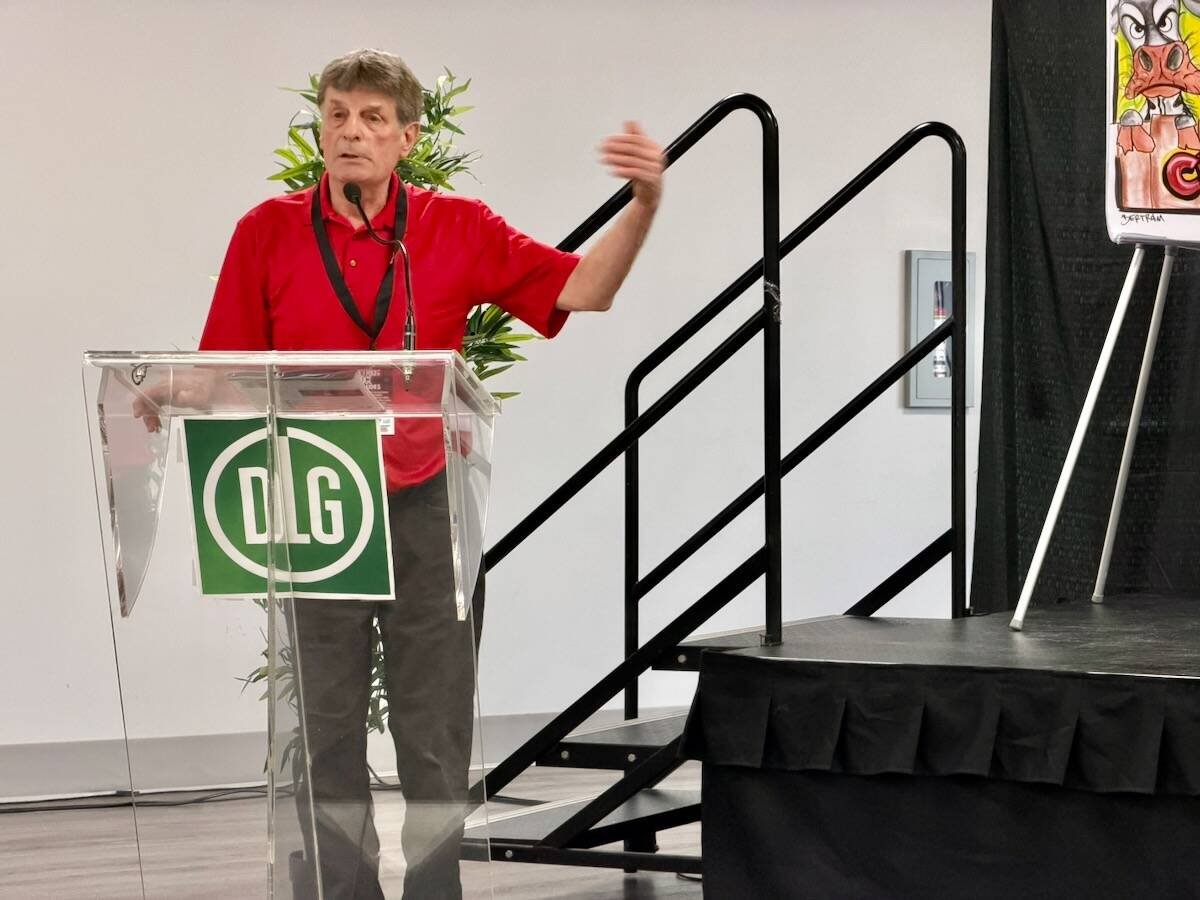
His eldest sons, twins, were the first into the business. In 2007, Darryl and Gary started a five-year-leased farm together, with their parents helping fund the purchase of quota. In 2009, Clarence and Wendy bought an empty dairy farm, and after renovations, Gary and Darryl moved to the farm. By 2013, Gary bought out Darryl at that site. Gary started Markhill Holsteins, and Darryl moved to eastern Ontario to farm.
After five years, Darryl sold that farm and moved back to Oxford County to another dairy farm purchased by the family, starting Markridge Holsteins.
Younger son Mark worked at the home farm, and in 2023, he took over the original Markvale Holsteins operations.
In another flex in 2014, Clarence and Wendy sold 85 acres to their daughter, Michelle and her husband, Mike, with the plan for them to live there. Since then, Michelle and Mike have decided to become dairy farmers, qualified for the new entrants’ quota, and, in 2024, started Four Daughters Dairy at their farm.
By 2024, succession for that generation of the Markus family was complete.
“We always tried to create a culture that farming was a way of life, a great way to raise a family,” says Clarence.
“You laugh, you cry together. You see death, you see life, turn lemonade out of lemons. But you go forward as a family. You help each other. You work together.”
See all of Farmtario’s coverage of the Canadian Dairy Xpo.
The post Dairy farmers set up their farms for intergenerational success appeared first on Farmtario.


