

Every campus reunion is more than a celebration of memories. It is a public demonstration of what a college or university values today. Alumni return to campus to reconnect with classmates, revisit traditions, and evaluate how their institution has evolved. They notice the buildings, the campus energy, the student experience, and increasingly, the university’s visible commitment to sustainability.
One of the most immediate and public ways a university demonstrates that commitment is through its waste and recycling systems.
Recycling stations at commencement events. Compost collection at alumni dinners. Clear signage during reunions. Clean and organized waste systems across quads, stadiums, residence halls, and dining areas. These systems are no longer operational details hidden behind the scenes. They are part of the campus experience and part of the institution’s brand.
For colleges and universities focused on alumni engagement, donor relationships, ESG goals, and sustainability leadership, waste systems have become one of the most visible demonstrations of institutional values.
Alumni Increasingly Expect Sustainability Leadership
Today’s alumni base spans generations, but sustainability has become a shared expectation across age groups.
Many alumni work in industries where ESG reporting, carbon reduction, circular economy initiatives, and sustainability metrics are now part of daily business operations. They understand environmental reporting. They value measurable impact. They recognize authentic sustainability efforts versus performative messaging.
When alumni visit campus, they are evaluating whether the university reflects the values it promotes publicly.
A beautifully branded sustainability report means little if event waste is overflowing into landfill containers without recycling or compost access. Conversely, a thoughtfully designed waste system sends an immediate message that sustainability is operationalized across campus life.
Waste systems are uniquely powerful because they are highly visible, user facing systems. Unlike energy infrastructure or behind the scenes operational improvements, every visitor interacts with waste and recycling during their campus experience.
That interaction shapes perception.
Sustainability Is Now Part of the Alumni Experience
Campus reunions have evolved significantly over the last decade. Universities now build reunion programming around institutional priorities including:
- Sustainability
- Climate action
- Student wellness
- Campus modernization
- Community engagement
- Social responsibility
- Operational transparency
Alumni events increasingly include:
- Zero waste goals
- Sustainable dining initiatives
- Composting programs
- Reusable serviceware
- Waste diversion reporting
- Sustainability tours
- Green building showcases
- Student environmental initiatives
These initiatives create opportunities for universities to reinforce their environmental leadership while strengthening alumni relationships.
When alumni see sustainability integrated into the campus experience rather than isolated in marketing materials, the university gains credibility.
Waste Systems Are One of the Clearest Signals of Institutional Commitment
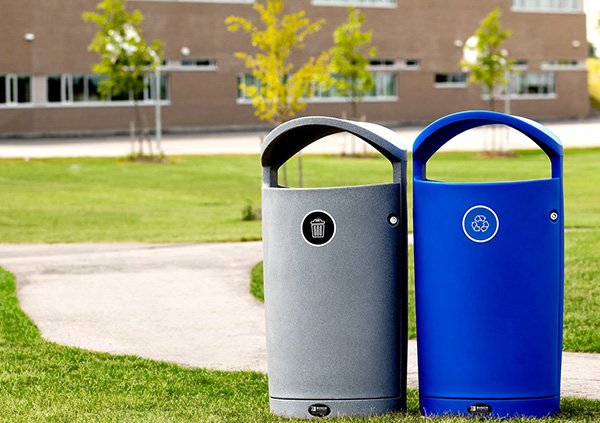
Campus waste systems communicate organizational priorities immediately.
Alumni notice:
- Whether recycling is easy to understand
- Whether composting is available
- Whether signage is clear
- Whether bins are consistent across campus
- Whether waste stations are clean and maintained
- Whether events generate unnecessary waste
- Whether sustainability messaging feels authentic
- Whether the institution appears operationally organized
Poorly designed systems create confusion and frustration. ” target=”_blank”>Well designed systems create confidence.
This matters because alumni often associate operational excellence with institutional leadership.
A university that visibly manages sustainability effectively signals that it is prepared for the future.
Data Matters to Alumni and Donors
Modern alumni engagement increasingly intersects with measurable impact.
Donors and alumni want evidence that sustainability initiatives are producing results. They understand metrics. They expect accountability. They appreciate transparency.
This creates an opportunity for colleges and universities to elevate waste diversion data into a meaningful alumni engagement tool.
Examples include:
- Event diversion rates
- Compost recovery totals
- Annual landfill reduction metrics
- Carbon impact reporting
- Waste reduction progress over time
- Student participation rates
- Sustainability benchmarking
- Zero waste event certifications
Sharing measurable outcomes transforms sustainability from a vague aspiration into a demonstrated institutional achievement.
For universities pursuing broader climate commitments or ESG reporting initiatives, waste data becomes part of a larger institutional narrative about responsibility, innovation, and leadership.
Reunion Events Generate High Visibility Waste Streams

Campus reunions and alumni weekends often create concentrated waste generation across:
- Stadiums
- Dining halls
- Outdoor events
- Residence halls
- Tailgates
- Conferences
- Alumni receptions
- Campus tours
- Vendor areas
- Commencement style gatherings
These events create both operational challenges and public opportunities.
Without proper planning, contamination rates increase, overflow becomes visible, and sustainability messaging breaks down.
With thoughtful planning, reunion events can become demonstrations of effective campus sustainability systems.
This includes:
- Standardized waste stations
- Clear stream separation
- Consistent signage
- Compost integration
- Volunteer education teams
- Custodial coordination
- Back of house waste planning
- Real time diversion tracking
- Post event reporting
Universities that approach reunions strategically can use these events to reinforce their environmental leadership directly to alumni and donors.
Sustainability Strengthens Institutional Brand
For colleges and universities, sustainability is no longer a secondary operational initiative. It is increasingly connected to:
- Recruitment
- Retention
- Alumni relations
- Public reputation
- Corporate partnerships
- Research positioning
- Donor engagement
- Student expectations
Campus visitors interpret sustainability systems as reflections of institutional culture.
A campus with visible, intuitive, and well maintained waste systems communicates:
- Organizational alignment
- Environmental responsibility
- Long term thinking
- Operational competence
- Investment in student experience
- Commitment to measurable impact
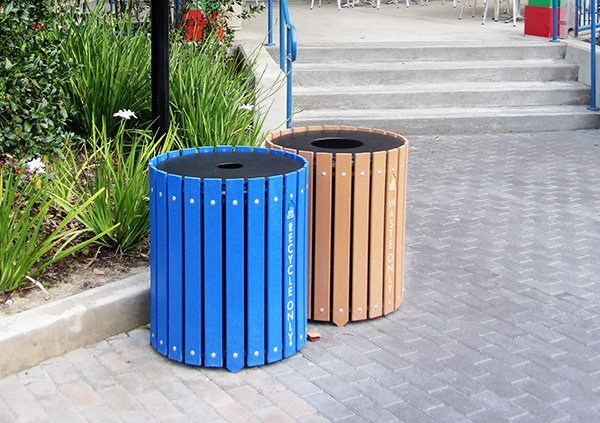
These perceptions influence how alumni speak about the institution after they leave campus.
Designing Waste Systems for Alumni Events
Effective reunion and alumni event planning should include waste systems from the beginning rather than treating them as an afterthought.
Important considerations include:
Front of House Experience
Waste stations should be:
- Highly visible
- Easy to use
- Clearly labeled
- Consistent across campus
- Accessible during large events
- Designed to reduce contamination
The goal is to make sustainable participation intuitive.
Event Coordination
Universities should coordinate:
- Dining vendors
- Compost haulers
- Custodial teams
- Event planners
- Sustainability offices
- Facilities management
- Student volunteers
Operational alignment significantly improves diversion performance.
Data Collection
Tracking and reporting outcomes allows universities to demonstrate impact to stakeholders.
Metrics may include:
- Total material diverted
- Recycling contamination reduction
- Compost volumes
- Waste generated per attendee
- Landfill reduction percentages
- Greenhouse gas impact estimates
These metrics create meaningful sustainability stories for alumni communications and annual reporting.
Long Term Infrastructure
Reunion events often reveal broader infrastructure opportunities across campus.
Universities may identify opportunities to improve:
- Outdoor waste stations
- Athletic venue recycling
- Residence hall waste systems
- Dining facility composting
- Campus signage standards
- Material collection consistency
- Operational workflows
What works during high visibility events can often become the foundation for broader campus sustainability improvements.
Waste Systems Reflect Institutional Values
Alumni want to feel proud of the institution they support.
Visible sustainability initiatives reinforce that pride because they demonstrate action rather than aspiration.
Waste and recycling systems may seem operational, but they are deeply connected to how universities communicate leadership, responsibility, and environmental stewardship.
Every recycling station at a reunion event sends a message.
Every compost collection system demonstrates intention.
Every sustainability metric shared with alumni reinforces accountability.
For colleges and universities, campus reunions are not only opportunities to celebrate the past. They are opportunities to visibly demonstrate the institution’s future.
And one of the clearest ways to demonstrate that future is through thoughtfully designed sustainability systems that alumni can see, use, and believe in.
How Recycle Away Supports Campus Sustainability Goals
At Recycle Away, we work with colleges and universities to design waste and recycling systems that support:
- Alumni engagement
- Zero waste initiatives
- Campus sustainability goals
- LEED and WELL strategies
- Event diversion programs
- Student participation
- Operational efficiency
- Brand aligned sustainability experiences
From campus wide standardization to reunion event waste planning, effective waste systems help universities transform sustainability from a statement into a visible experience.


