

WELL certification has quickly become one of the most important benchmarks for designing and operating spaces that support human health, productivity, and overall well-being. While many organizations are familiar with sustainability frameworks like LEED, WELL focuses specifically on the people inside the building, how the space impacts their physical and mental health every day.
For owners, designers, and facility managers, WELL is not just a certification. It is a signal. It tells occupants, employees, clients, and stakeholders that the environment has been intentionally designed to support health, performance, and experience at the highest level.
This guide explains what WELL certification is, what it says about your building, and how waste and recycling systems play a critical but often overlooked role in achieving WELL standards.
What Is WELL Certification
WELL certification is a performance based system developed by the International WELL Building Institute (IWBI). It evaluates buildings based on how they impact human health and wellness across a set of categories known as concepts.
The certification is grounded in medical research and focuses on measurable outcomes rather than just design intent.
The 10 Core WELL Concepts
WELL v2 is organized into ten key areas
- Air
- Water
- Nourishment
- Light
- Movement
- Thermal Comfort
- Sound
- Materials
- Mind
- Community
Each concept includes specific features and performance requirements that buildings must meet to achieve certification levels Bronze, Silver, Gold, or Platinum.
What WELL Certification Says About Your Building
WELL certification is more than a checklist. It communicates something powerful about your building and your brand.
Your Building Prioritizes Human Health
A WELL certified space demonstrates that decisions were made with occupants in mind air quality lighting materials and even daily habits like hydration and movement.
This translates into:
- Healthier employees
- Reduced absenteeism
- Improved cognitive performance
- Higher tenant satisfaction
Your Organization Is Committed to ESG and Transparency
WELL aligns closely with ESG goals and corporate responsibility initiatives. It provides a measurable third party verified framework that organizations can use to demonstrate:
- Commitment to employee well being
- Responsible material selection
- Health forward operational practices
Your Space Reflects Your Brand in a Visible Way
Unlike many sustainability initiatives that operate behind the scenes WELL is highly visible.
Occupants experience it daily through:
- Cleaner air
- Better lighting
- Thoughtful design
- Organized intuitive systems including waste and recycling
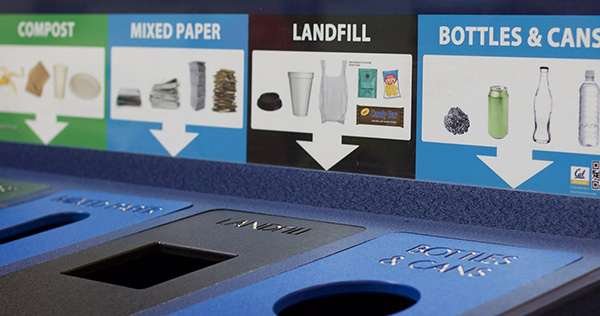
This visibility makes WELL one of the most powerful tools for communicating brand values through the built environment.
The Overlooked Role of Waste and Recycling in WELL
Waste management is rarely the first thing people think about when discussing wellness. But in reality it plays a critical role in several WELL concepts particularly Materials, Air, Mind, and Community.
A poorly designed waste system creates friction confusion odors and visual clutter. A well designed system supports cleanliness ease of use and a sense of order all of which contribute to occupant well being.
Why Waste Systems Matter in WELL Buildings
Cleanliness and Indoor Environmental Quality
Improper waste handling can lead to:
- Odors
- Pest issues
- Air quality degradation
Well designed waste systems prevent these issues through:
- Sealed containers
- Proper material selection
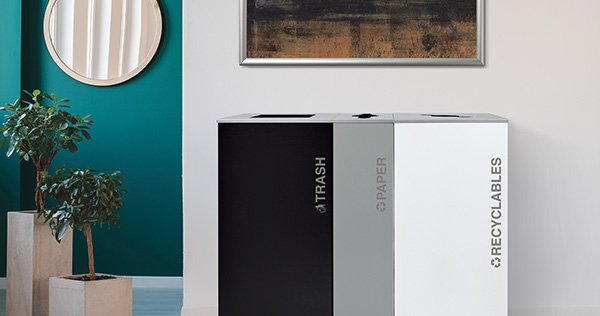
- Clear separation of waste streams
Reduced Exposure to Harmful Materials
WELL emphasizes safer materials and reduced exposure to toxins.
Waste systems support this by:
- Separating recyclables and hazardous materials
- Reducing contamination
- Supporting proper disposal pathways
Mental Well Being and User Experience
Cluttered or confusing waste stations create stress and friction.
Clear intuitive systems:
- Reduce decision fatigue
- Improve user confidence
- Reinforce a sense of order and cleanliness
Community and Behavior
WELL encourages environments that promote positive behaviors.
Waste and recycling systems:
- Encourage responsible disposal habits
- Reinforce shared responsibility
- Create visible participation in sustainability
Designing Waste Systems to Support WELL Certification
To align with WELL waste and recycling must be designed as a system not an afterthought.
Front of House Waste Experience
This is where occupants interact with the system daily.
Key considerations:
- Centralized multi stream stations
- Consistent bin design across the facility
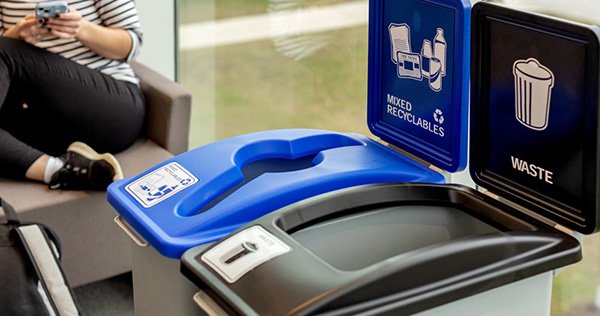
- Restrictive openings to reduce contamination
- Clear standardized signage
The goal is to make the right behavior the easiest behavior.
Back of House Operations
A WELL aligned system must work operationally not just visually.
This includes:
- Efficient collection routes
- Proper storage areas
- Clean organized waste rooms
- Safe handling procedures
If the back of house system fails the front of house experience will eventually break down.
Material Selection for Bins
WELL places emphasis on material health and durability.
Waste receptacles should:
- Be made from durable non toxic materials
- Be easy to clean and maintain
- Resist corrosion and odor retention
Materials like stainless steel and high quality HDPE are often preferred in WELL environments.
Odor and Hygiene Control
Odor is one of the fastest ways to undermine a healthy environment.
Design strategies include:
- Proper lid types
- Compost containment systems
- Frequent servicing schedules
- Ventilated waste rooms
Data and Continuous Improvement
WELL encourages ongoing performance tracking.
Waste systems should include:
- Waste audits
- Diversion tracking
- Contamination monitoring
This data allows organizations to continuously improve both environmental performance and user experience.
Waste WELL and Brand Perception
One of the most important and often underestimated truths about waste is this
Waste systems are one of the most visible daily touchpoints of your sustainability strategy.
Every employee visitor and client interacts with your waste system.
If it is:
- Confusing, your sustainability feels performative
- Messy, your operations feel unmanaged
- Inconsistent, your brand feels fragmented
If it is:
- Clean
- Intuitive
- Well designed
It reinforces credibility care and commitment.
In a WELL certified building waste is not just operational it is experiential.
Common Mistakes That Undermine WELL Through Waste
Even in high performance buildings waste systems often fail due to:
Treating Waste as an Afterthought
Designing the building first and adding waste later leads to poor placement inadequate capacity and inconsistent systems.
Overcomplicating the System
Too many streams or unclear signage increases contamination and user frustration.
Ignoring Back of House Logistics
A beautiful recycling station fails if the operational system behind it is inefficient.
Lack of Standardization
Different bin types, colors, and signage across spaces create confusion.
No Data or Feedback Loop
Without audits and tracking systems cannot improve.
The Opportunity Waste as a WELL Strategy Lever
When designed correctly waste systems can actively support WELL certification goals by:
- Improving cleanliness and air quality
- Enhancing user experience
- Encouraging positive behaviors
- Providing measurable sustainability data
- Reinforcing brand values
This transforms waste from a cost center into a strategic asset.
How to Build a WELL Aligned Waste System
A simple framework
- Conduct a waste audit
- Identify all waste streams
- Design front of house user experience
- Build back of house operational flow
- Select appropriate bin materials and types
- Standardize signage and communication
- Train occupants and staff
- Track performance and continuously improve
Final Takeaway
WELL certification is about creating spaces that actively support human health and well being. While much of the focus is placed on air water and lighting the systems people interact with every day like waste and recycling play an equally important role.
When waste is designed thoughtfully it contributes to cleanliness clarity and confidence in the space. It reinforces behavior supports sustainability goals and visibly communicates your commitment to health and responsibility.
In a WELL certified building nothing is accidental.
Not even the trash.


