Just like fashion has been overrun by fast fashion, home goods and furniture have similarly seen a rapid decline in quality. Rugs are no exception.
And similar to fashion, these cheap goods come at a high cost — namely, to the planet and to people. In fact, carpet and rug production is rampant with exploitation.
On the other hand, fair trade rugs present the best of what a rug can bring to your home: artistry, craftsmanship, and heritage.
There’s simply no replacement for a timeless, quality artisan-made rug — they’re like pieces of art you can lay out on your floor.
What to Look for in An Ethical, Fair Trade Rug
Words like “handmade” and “artisan-made” are everywhere in the textiles space, and these terms can make it sound like a rug was ethically made, too. But these terms don’t tell you anything about how the people who made it were treated. Handmade rugs are just as likely to be made in unethical conditions — and even if the work was done informally at home, artisans can still be overworked and underpaid.
Fair Trade Certified (Fair Trade USA). This is a factory-level certification. So if a rug was made in a factory with this certification, you will find the label in the product description. Since brands typically work with several factories or workshops, some products being Fair Trade Certified doesn’t mean all of them are.
Independently audited against Fair Trade USA’s Factory Production Standard, this label covers working conditions, wages, worker rights, and even some environmental practices at the facility. (Though I wouldn’t necessarily call this an environmental sustainability certification.) Plus, for every certified product sold, the participating brand also pays a Premium into a Community Development Fund, which a worker-elected committee decides on how to spend.
GoodWeave. GoodWeave is a nonprofit that was built specifically for handmade rugs. To be certified, a producer must meet three requirements: no child labor, no forced or bonded labor, and documented, verifiable workplace conditions. GoodWeave makes unannounced inspections of the main factory and all outsourced production, including work done in homes, which is where hand-knotted rugs are often subcontracted. Each label carries a unique code that traces back to the licensed producer. Producers are also audited annually on wages, working hours, health and safety, and environmental impact, but these are treated as improvement goals, and are not requirements for certification. So while this is the strongest assurance I know of against child and forced labor in a rug, it isn’t an assurance of fair or living wages.
On the other hand, terms like “fair wages,” “artisan partnerships,” and “pays above market rates” have no third-party verification behind them. That doesn’t mean they’re false, but I do like to do some additional digging. Is this a small brand with personal relationships with the workshops or a large retailer (that’s likely working with hundreds of factories)? Does the brand share other information about their supply chain, such as the artisans they work with, and where exactly the workshops are located? Is it clear they’ve visited these locations (through images and videos)? Specific answers to those questions add much more credibility than the language alone.
And while many brands that produce ethically also tend to care about their environmental impact too, ethical doesn’t inherently mean anything about lower impact fibers, dyes, or chemical safety. A fair trade rug could technically still be made of synthetic fibers or dyed with harsh chemicals. However, most of them do honor traditional techniques, using heritage natural fibers like wool and cotton. For more on that side, though, you can head over to my guide on non-toxic and sustainable rugs.
Where to Find Ethical and Fair Trade Rugs
Each brand has ethical production practices in place, whether that’s third-party certification or a close relationship with the workshops they source from. In some cases, these brands are partnering with skilled artisans using centuries-old techniques passed down through the generations. So, enjoy browsing through this guide to ethical rug brands listed out below and best of luck on your search for the right fair trade rug!
Note that this guide includes affiliates and partners. As always, brands must meet high standards for ethics and sustainability to be featured and all opinions are my own.
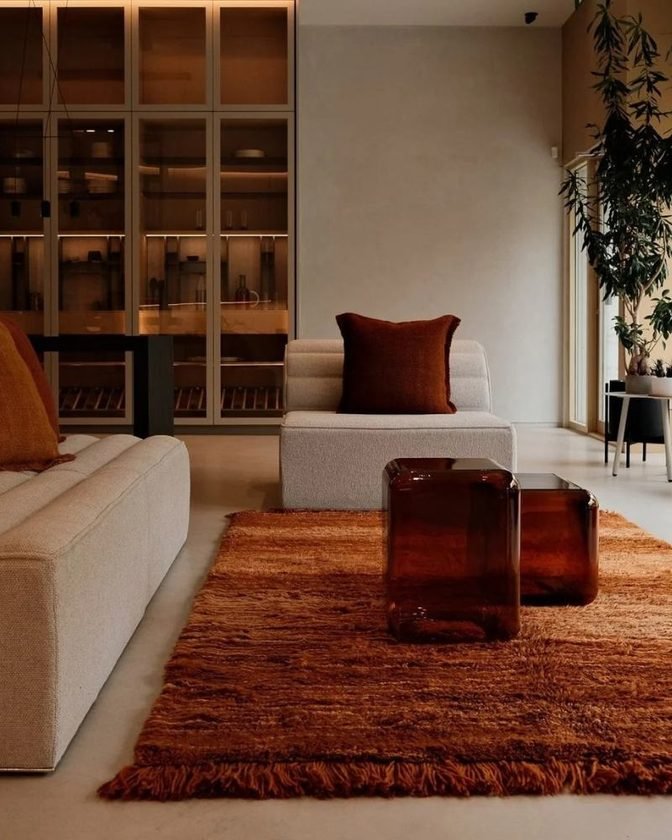
1. Obakki
Best for: warm-hued handwoven wool rugs
Categories: Area Rugs, Runners, Accent Rugs
Obakki partners with artisan weavers primarily in Oaxaca, Mexico — including individual makers like José — who hand-dyes and weaves rugs on a traditional pedal loom using locally sourced sheep’s wool and natural dyes derived from native plants. The brand also works with Rrres Design Studio, a Latin American studio dedicated to preserving traditional Oaxacan weaving techniques, and sources handwoven textiles from artisan communities globally.
Conscious Qualities: Natural Fibers, Natural Dyes (some products), Craft Preservation, Made to Order (most pieces)
Price Range: $460 – $4,159
Shipping: Worldwide
2. Urban Natural
Best for: browsing ethical rugs in lots of styles and sizes
Categories: Outdoor, Area Rugs, and Accent Rugs
This natural home and lifestyle retailer has a beautifully curated selection of responsibly-made rugs crafted with materials like jute, sisal, wool, and cotton.
Several brands on Urban Natural are also ethically made, such as Loloi, whose India-made handwoven rugs carry the GoodWeave label, and Jaipur Living, a brand that partners with thousands of local artisans to sustain heritage crafts.
Conscious Qualities: Eco-Conscious Materials, GoodWeave Partner (Loloi), Craft Preservation
Price Range: $259 – $9,755
Shipping: Contiguous U.S.

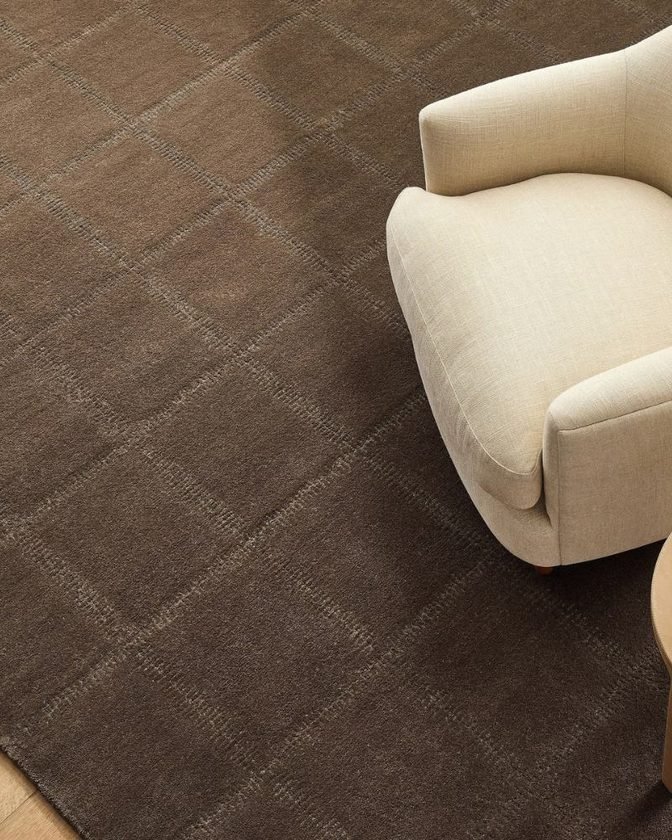
3. West Elm
Best for: fair trade rugs in on-trend mainstream styles
Categories: Area Rugs, Accent Rugs
West Elm has classic rugs in neutral hues and subtle prints for a contemporary home. Their Fair Trade Certified collection features primarily wool and cotton rugs, with some performance options made from certified recycled polyester. And while I always love to prioritize shopping small, a traditional retailer like West Elm can be a good option if you like seeing a rug in person before making your decision.
Conscious Qualities: Fair Trade, Natural or Recycled Materials
Price Range: $45 – $6,899
Shipping: U.S. + 90 other countries through their partner Borderfree
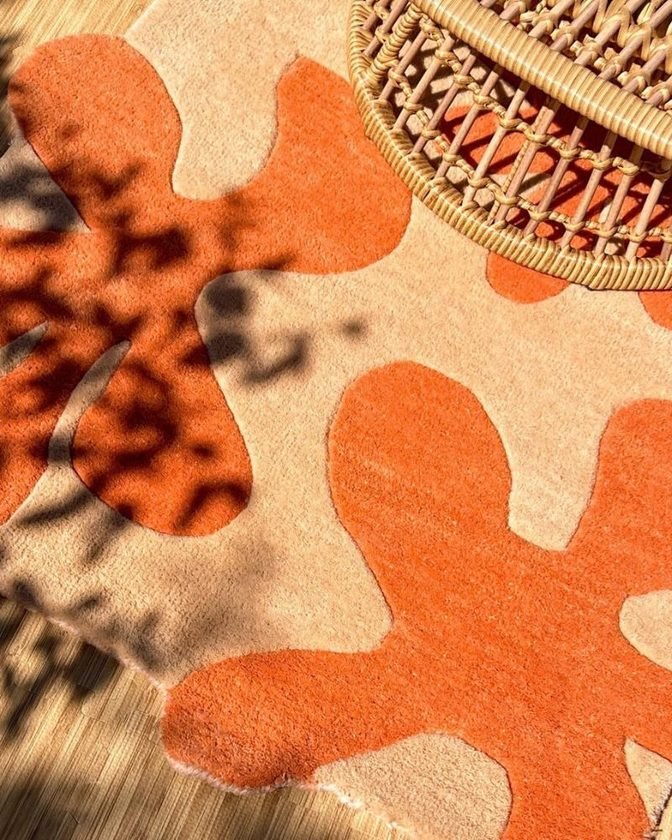
4. Jubi
Best for: colorful accent rugs with unique patterns
Categories: Accent Rugs, Circle Rugs, Runners
Jubi is a Brooklyn studio founded by textile designer Cassie Dagostino. Every rug is handmade from New Zealand wool by fourth-generation weaving families in Bhadohi, India using traditional techniques. The brand shares that the artisans are paid above market rates, and you can meet several artisans on Jubi’s about page. Each rug is made-to-order, meaning no excess stock, so expect between 3 and 7 weeks for your rug, depending on the technique used.
Conscious Qualities: Above-Market Wages, 100% Wool, Made-to-Order
Price Range: $228 – $668
Shipping: Worldwide
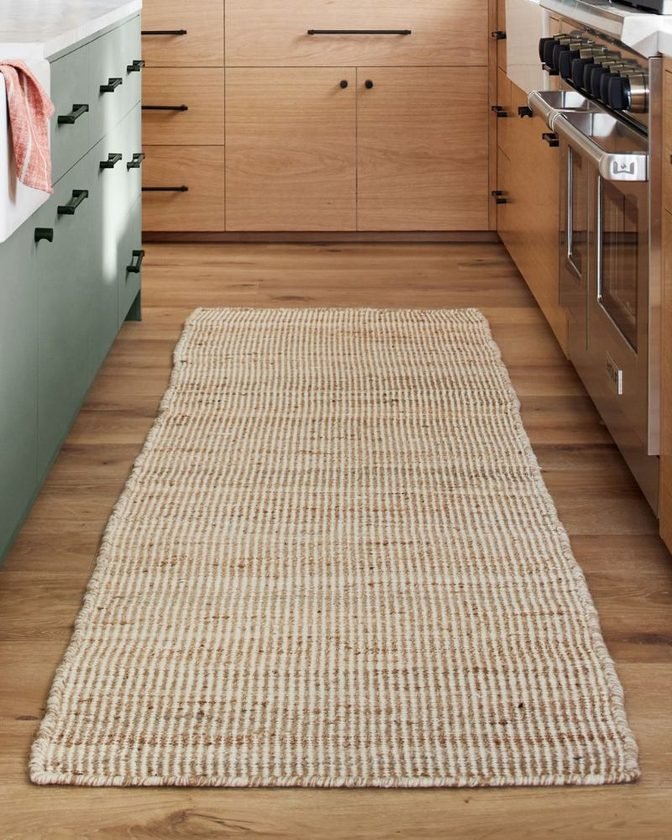
5. Rejuvenation
Best for: classic rug styles made in Fair Trade factories
Categories: Accent Rugs, Runners, Area Rugs
Home retailer Rejuvenation has a selection of rugs made in Fair Trade Certified factories. Their collection includes undyed hand-loomed rugs to geometric flatwoven wool rugs. And while I’d typically avoid synthetics, it tends to be unavoidable for outdoor rugs — so Rejuvenation’s Fair Trade 100% recycled poly rug is a good option.
Conscious Qualities: Fair Trade Certified, Mostly Natural Materials
Price Range: $79 – $1,649
Shipping: Contiguous U.S. shipping for 10% of product price (add $20 for HI, AK, and U.S. territories)
6. LOOMY
Best for: pet-friendly and performance rugs
Categories: Area Rugs, Accent Rugs, Runners, Outdoor Rugs
Founded by a weaver, LOOMY is dedicated to crafting artisan-made rugs that will last for decades to come, even in high-traffic areas or homes with pets. LOOMY partners with highly-skilled artisan weavers who craft quality rugs made from eco-minded materials like banana silk, jute, and recycled cotton, though for the most durable options, you may want the performance rugs made from 100% recycled polyester. LOOMY even has a collection of one-of-a-kind vintage rugs sourced from Turkey. Though their social responsibility commitments are weaker than the others in this guide.
Conscious Qualities: Natural Fibers, Craft Preservation
Price Range: $298 – $8,298
Shipping: Within U.S.

7. Kiliim
Best for: modern flatweave kilim rugs
Categories: Area Rugs, Accent Rugs
Kiliim is an Egyptian social enterprise reviving kilim weaving in Fowwa, a small village in the Nile Delta. Artisans make rugs from materials like wool, cotton, and jute. I like that the designs look contemporary while the technique stays traditional.
Kiliim says it works with almost 40 artisans, whose incomes are 50% higher than the industry average, in workshops that follow World Fair Trade Organization guidelines. Those are their own reports, which don’t come with any certification, but the specificity is stronger than most brands offer.
Conscious Qualities: Above-Market Wages, Heritage Craft Preservation, Natural Fibers
Price Range: $95 – $4,812
Shipping: Worldwide

Liked this guide to ethical rugs? You might also enjoy:
Ethical Home Decor Brands to Curate a Beautiful, Conscious Space
Eco-Friendly Furniture to Furnish Your Home Sustainably
Fair Trade and Eco-Friendly Blankets to Cozy Up With
The post 7 Best Ethical Fair Trade Rugs to Elevate Your Space appeared first on Conscious Life & Style.