
Full Heart Farm
Connecticut
“Starting out, I was fortunate enough to work with stakeholders that could translate our vision of profitable, small-scale agriculture for first-generation farmers into a template that more traditional farmers and lenders could understand, but it required months of advocacy and education. It’s estimated that nearly 80% of food purchasers in the United States are women, so greater trust in the vision women farmers and food entrepreneurs have for our food system just makes sense.”
Q: Tell us about your agricultural operation, your background and how you got started in agriculture.
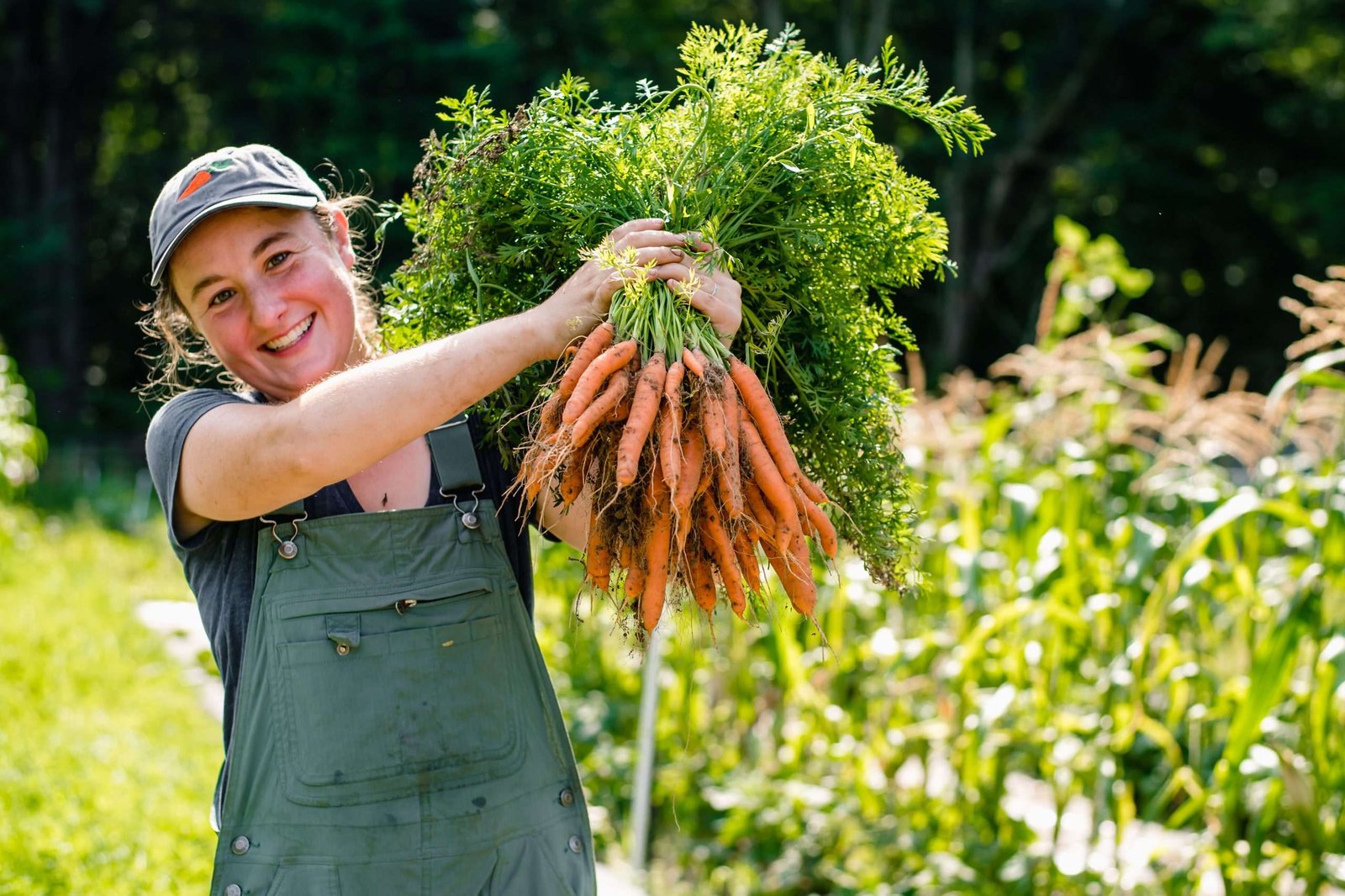
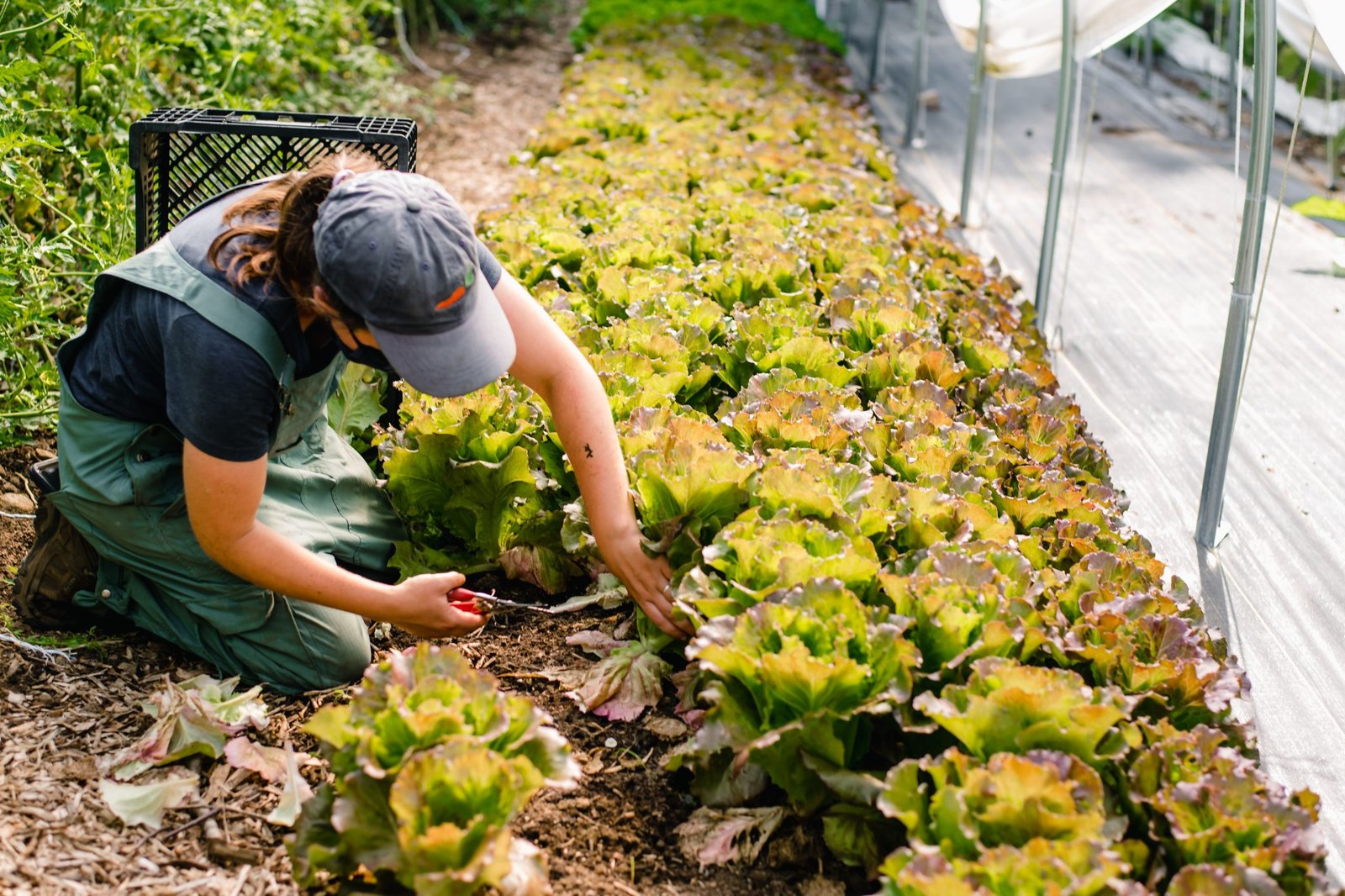
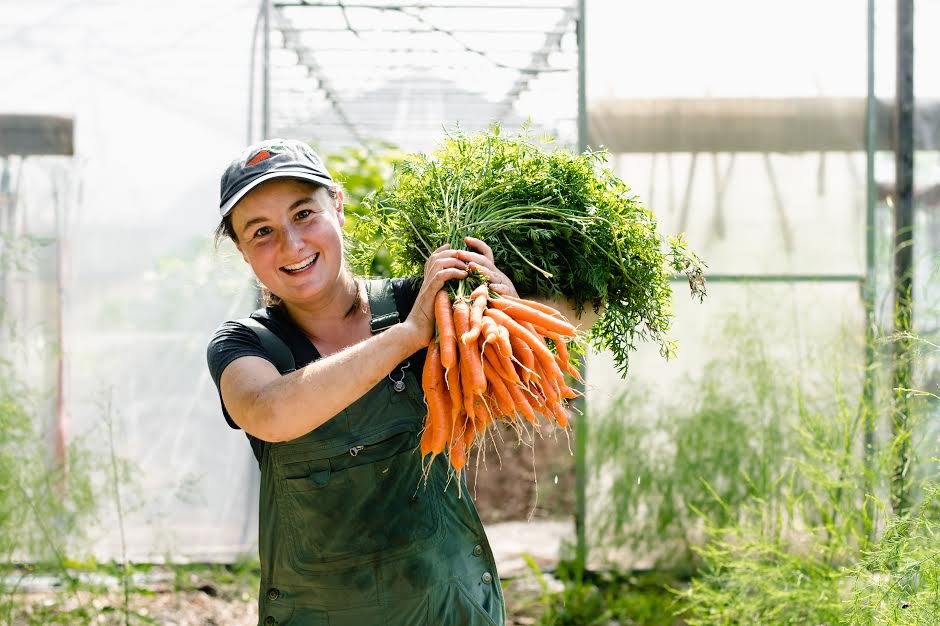
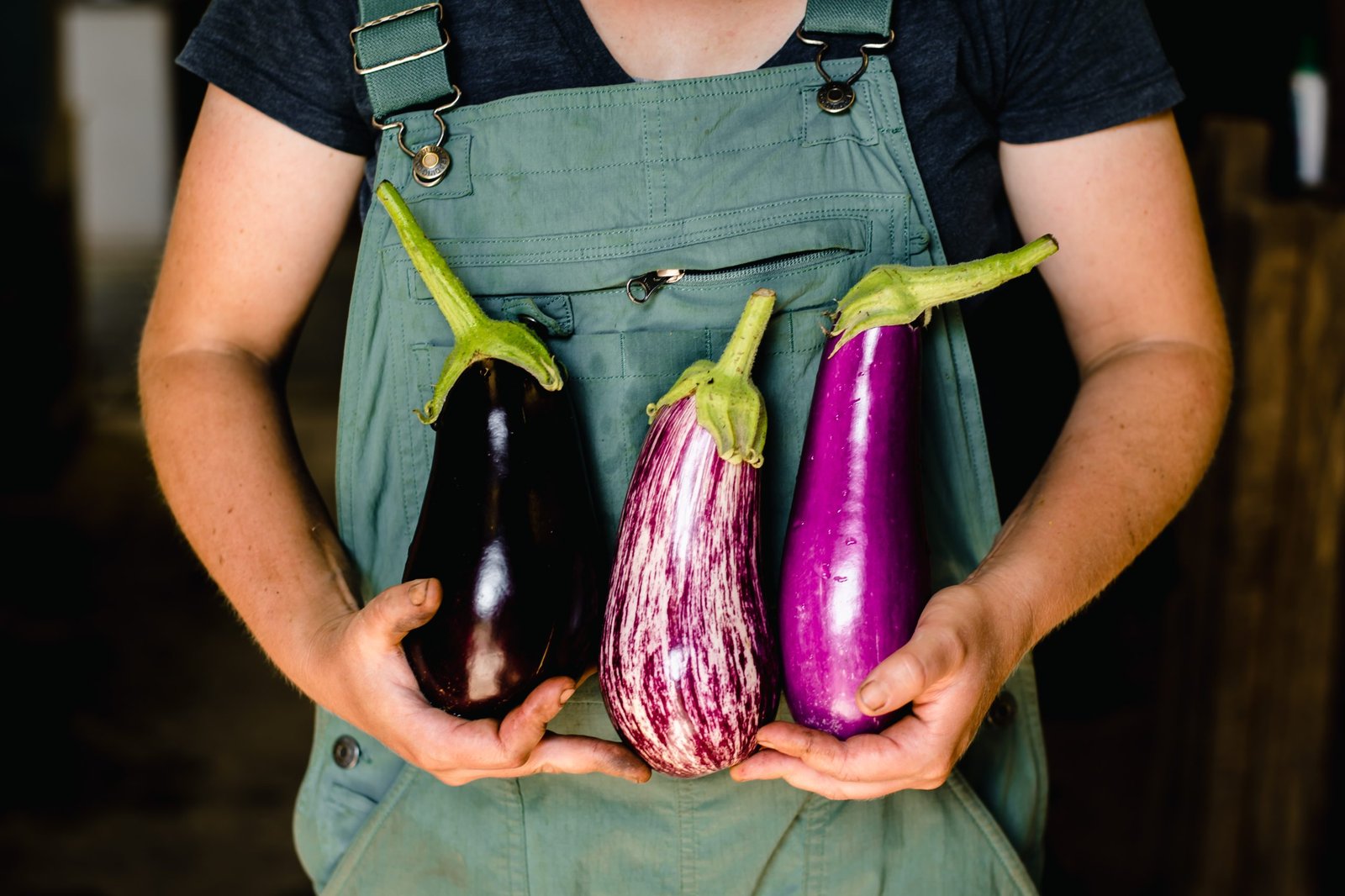
Full Heart Farm is a tiny, family farm in Ledyard, Connecticut that grows over 300 different varieties of specialty vegetables, cut flowers and herbs for local markets. I fell in love with the challenge, intensity, and rewards of agriculture while studying at UMass Amherst. After working on a variety of different farms, I purchased land with the support of the Beginning Farmers and Ranchers Loan Program and started Full Heart Farm at the age of 24.
Q: What does working in agriculture, and specifically being a woman in agriculture, mean to you?
For me, being a woman in agriculture means belonging to an incredible community of people. Within our network, the women we work with are endlessly generous, supportive, and resilient. Women have long been the foundation of agriculture in this country and it’s rewarding to see their quiet leadership get the attention they deserve. We are delighted to lead an all-woman farm crew on a daily basis.
Q: What do you wish the next generation of women in agriculture would know about your work? What advice would you give them?
Women in agriculture are celebrated and valued. My advice would be to be creative – agriculture is constantly evolving and innovation is key to thriving.
Q: Have you had access to formal education or informal training programs to help you grow your operation?
Yes, I have a degree in Sustainable Agriculture from UMass Amherst, have completed multiple internships and an apprenticeship, and taken several courses through UConn extension, the Cornell Small Farms Program, and other agriculture organizations. The most influential was probably Holistic Farm Management for Beginning Women Farmers, which was offered through CT’s Northeast Organic Farming Association at exactly the right time in my career. I wish more programming specifically for women farmers was available as I made lifelong friends during that course.
Q: What would make it easier for women in agriculture to access the capital they need?
Access to capital for women requires decision makers to be patient and open to innovative ideas. Starting out, I was fortunate enough to work with stakeholders that could translate our vision of profitable, small-scale agriculture for first-generation farmers into a template that more traditional farmers and lenders could understand, but it required months of advocacy and education. It’s estimated that nearly 80% of food purchasers in the United States are women, so greater trust in the vision women farmers and food entrepreneurs have for our food system just makes sense.
Q: What technologies or innovations have made the biggest difference on your farm? How do you stay informed about best practices, weather, markets, or new technologies?
Investments that help mitigate climate-related risk (such as high tunnels, irrigation systems, solar panels, etc) are the primary reason we are able to continue farming. We religiously read updates from our state’s Department of Agriculture, as well as the newsletters from local land grant universities, to stay abreast of weekly farm updates. We particularly enjoy visiting farm conferences in the winter to learn about ways we can improve our growing.
Q: Describe a specific challenge you faced and how you overcame it.
One of the biggest challenges of our farm career was the loss of federal funding during 2025. Our farm was in the middle of several climate smart grant projects at the time, and we only survived by the help of our local community and an investment in the farm of all of our personal assets. It was an incredibly stressful time that will take us a long time to recover from.
Q: Has your state department of agriculture helped you advance your operation? How?
We could not farm without the support of the CT DoAg. As a beginning farmer, they personally provided the connections that we needed to access capital. As our business was built from the ground up, we relied (and continue to rely!) on grant funding to clear land and build infrastructure. The folks who work in our state’s office take time to visit the farm, connect with us, advocate on the federal level, and continuously provide resources. Farming would feel isolating and financially too risky without the DoAg.
The post Allyson Angelini appeared first on NASDA.


