

Designing Consistent, Durable Waste Infrastructure Across a Growing Transit System: Spec’d in for roll-out!
Overview
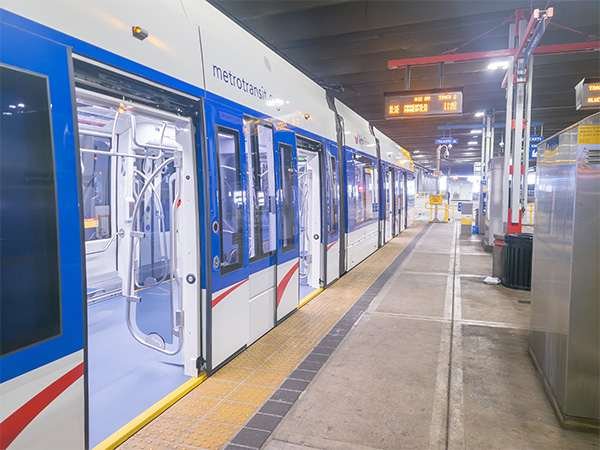
The Metro Gold Line project in Minnesota represents a long-term, system-wide approach to improving waste and recycling infrastructure across transit stations. Beginning in 2020, Metro Transit partnered with Recycle Away to standardize, specify, and scale waste solutions that align with both operational needs and rider experience.
What started as a single project in St. Paul has evolved into an ongoing specification relationship, with Recycle Away solutions consistently included in station refurbishment bids across the Metro system.
The Challenge
Transit environments present a unique set of challenges when it comes to waste and recycling:
- High traffic volumes and continuous use
- Exposure to weather and outdoor conditions
- Risk of contamination due to unclear disposal options
- Maintenance and servicing constraints for operations teams
- Need for durable, tamper-resistant infrastructure
Metro Transit required a solution that could:
- Withstand heavy daily use and outdoor exposure
- Provide intuitive, user-friendly disposal for riders
- Integrate seamlessly into station design standards
- Support long-term maintenance efficiency
- Be repeatable across multiple stations and projects
The Solution
1. Standardized Container Selection
Working closely with Metro Transit in St. Paul, Recycle Away helped identify and source the Manchester Sideload Double as the core station container.
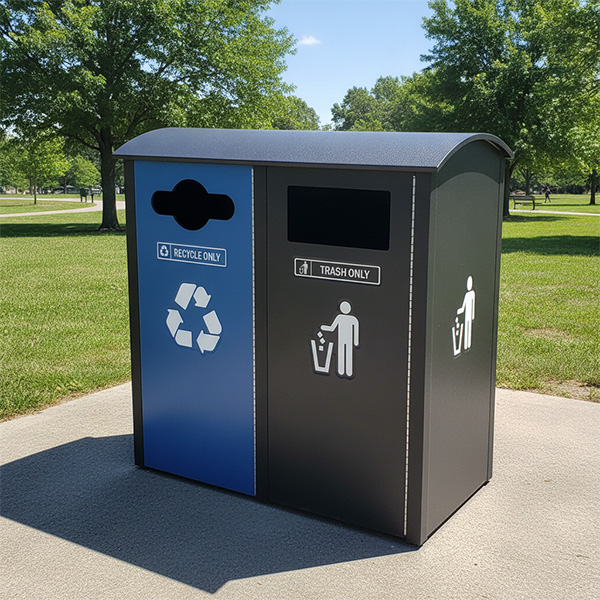
This model was selected for its:
- Dual-stream functionality (waste and recycling)
- Side-load access for efficient servicing
- Heavy-duty construction suitable for transit environments
- Clean, modern aesthetic that aligns with public infrastructure design
By standardizing on a single container type, Metro Transit created consistency across stations, improving both user behavior and operational processes.
2. Customization for Transit Use
To meet the specific demands of transit stations, the containers were further customized with Cam Locks.
These enhancements provided:
- Security: Preventing unauthorized access and tampering
- Operational Control: Ensuring only authorized staff can service containers
- Durability: Reducing wear and misuse in high-traffic public environments
This level of customization ensured the containers were not just functional, but purpose-built for the realities of transit infrastructure.
3. Integration into Station Refurbishment Projects
Since the initial rollout in 2020, Metro Transit has continued refurbishing Metro stations across the system.
A key outcome of the early collaboration was that Recycle Away solutions became:
- Consistently specified in bid documents
- Integrated into design standards for new and renovated stations
- A repeatable system that contractors and project teams can easily implement
This shift from one-off sourcing to specification-level integration is what enabled long-term scalability.
Implementation Approach
The success of the Metro Gold Line project was driven by a structured, system-level approach:
1. Early Design Collaboration
Recycle Away worked with project stakeholders during the design phase to align on container selection and placement.
2. Product Standardization
Selecting a single, adaptable container type reduced complexity across projects.
3. Customization for Environment
Features like Cam Locks ensured the solution matched real-world transit conditions.
4. Specification Integration
Embedding the solution into bid specs ensured consistency across future projects.
5. Ongoing Partnership
Continued collaboration allowed for refinement and expansion as additional stations were upgraded.
Results
System-Wide Consistency
Metro stations now feature a unified approach to waste and recycling, improving user understanding and behavior.
Improved Operational Efficiency
Side-load access and standardized containers simplify servicing for maintenance teams.
Increased Durability and Longevity
Heavy-duty construction and security features reduce damage, loss, and replacement costs.
Scalable Infrastructure
By being specified in bids, the solution scales automatically with each new refurbishment project.
Strong Design Alignment
Containers are no longer an afterthought. They are integrated into the station environment as part of the overall user experience.
Key Takeaways
1. Waste Infrastructure Should Be Designed, Not Added Later
The success of this project came from early integration into the design process, not retrofitting solutions after construction.
2. Standardization Drives Scale
Selecting a single, adaptable container model allowed Metro Transit to replicate success across multiple locations.
3. Customization Matters in High-Use Environments
Features like Cam Locks ensured the system could withstand real-world transit conditions.
4. Specification Is the Multiplier
Once included in bid documents, the solution became the default, ensuring long-term consistency and adoption.
5. Waste Is a Visible Part of the Rider Experience
Well-designed waste systems contribute to cleanliness, perception, and overall brand of the transit system.
Conclusion
The Metro Gold Line initiative demonstrates how thoughtful design, product standardization, and strategic specification can transform waste and recycling from an operational challenge into a system-wide asset.
What began as a collaboration in St. Paul has become a repeatable model for transit infrastructure, proving that when waste systems are designed correctly from the beginning, they deliver long-term value across operations, sustainability, and user experience.
Additional Resources:
10 Steps to implementing a Successful Waste Program
Integrate Waste & Recycling into Thoughtful Architectural Design


