

The insights and technical expertise in this article were provided by our CEO, Jeff
- What is Rigid Box?
- The Structure of Rigid Box
- Technical Craftsmanship of Rigid Box
- Sustainability in Rigid Box Packaging
- Rigid Box Styles & Variations
- Zenpack’s Custom Rigid Box Packaging Solution
- Conclusion
Packaging falls into three broad categories. Folding cartons are lightweight structures built for shelf display. Corrugated boxes are designed to survive long-distance shipping. Rigid boxes are built for neither. They exist to shape how a product feels before it is opened.
What is Rigid Box?
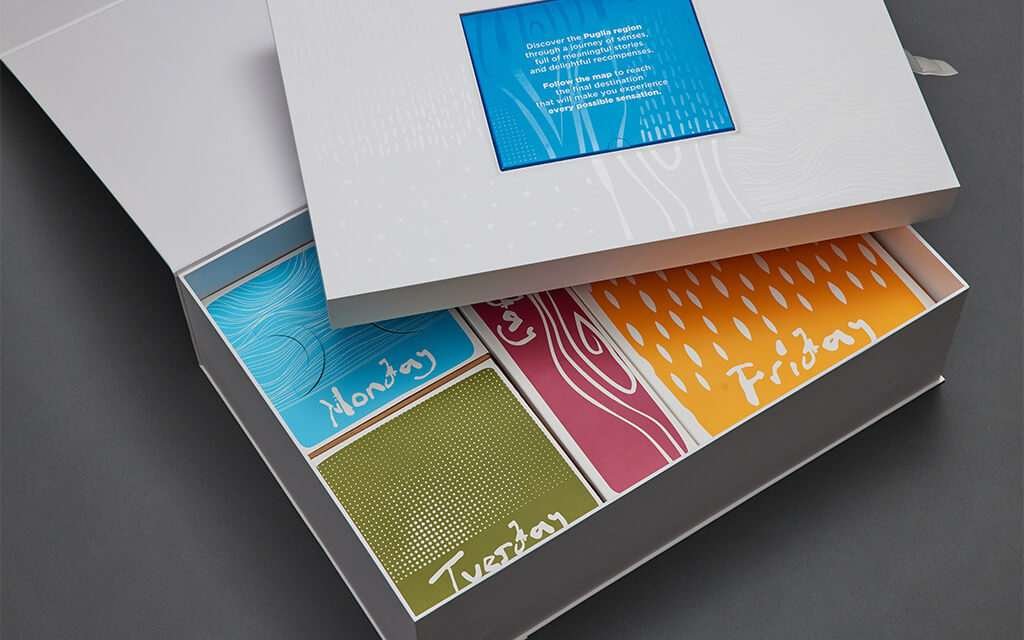
Also called set-up boxes, rigid boxes are pre-assembled structures that hold their shape permanently. When a customer picks one up, the weight, the resistance, and the sharp corners communicate quality before the product is even seen. This is why luxury fashion houses, high-end skincare brands, and premium consumer electronics companies default to custom rigid box packaging. The box is part of the brand experience.
This guide breaks down how rigid boxes are built, what separates a well-engineered box from an average one, and what brands need to know before specifying one.
The Structure of Rigid Box
Pick up a folding carton and a rigid box side by side. Folding cartons have soft, slightly rounded edges from scoring and folding a single sheet of paperboard. Rigid boxes have flat planes and sharp 90-degree corners. Both results come directly from how each box is built.
The Core: Greyboard
Every rigid box starts with greyboard, also called chipboard, a dense, layered material pressed from recycled fibers. Unlike the thin paperboard used in folding cartons, greyboard doesn’t flex or compress. It holds its shape under weight and through repeated use.
Thickness is specified by the product it needs to protect.
- Cosmetics and small luxury goods typically use 1.5 mm to 1.8 mm greyboard
- Large electronics or heavier items require 2.0 mm to 2.5 mm or above
The Surface: Wrap Paper
Greyboard gives the box its structure. Wrap paper, also called liner paper, gives it its finish. Most rigid boxes use wrap paper in the 120 gsm to 150 gsm range.
Thicker is not always better. Wrap paper above 200 gsm becomes too stiff to fold cleanly around corners. The fibers crack at the fold line, leaving a visible crease on what should be a seamless edge. What matters most is fiber flexibility, not weight. Long-fiber papers bend without breaking, which is why they are the standard choice for corners that need to stay sharp and smooth.
Technical Craftsmanship of Rigid Box
The Hiss: Why the Lid Matters
Open an iPhone box slowly. The lid doesn’t drop. It resists, descending at a controlled pace before releasing with a faint hiss. That result is a calculated friction target, and achieving it requires manufacturing precision most brands don’t anticipate when they first specify a custom rigid box.
That resistance comes from air pressure. As the lid slides down over the base, it traps air inside the box. The slower the air escapes, the more controlled the descent. Too much friction and the lid jams. Too little and it drops freely, and the premium feel disappears.
The gap between lid and base, typically within fractions of a millimeter, determines how fast air displaces as the lid closes. In a well-run manufacturing facility, this is controlled through micron-level cutting accuracy on automated die-cutting equipment. The greyboard panels must be cut to exact dimensions on every production run, or the friction changes.
V-Cut: The Detail That Separates Sharp from Cheap
Compared to a budget rigid box and a premium one, the difference shows at the corners. The cheaper box has edges that are slightly rounded, occasionally uneven, sometimes with a faint ridge where the wrap paper bunches. The premium box has corners that are perfectly flat and continuous, the same from every angle.
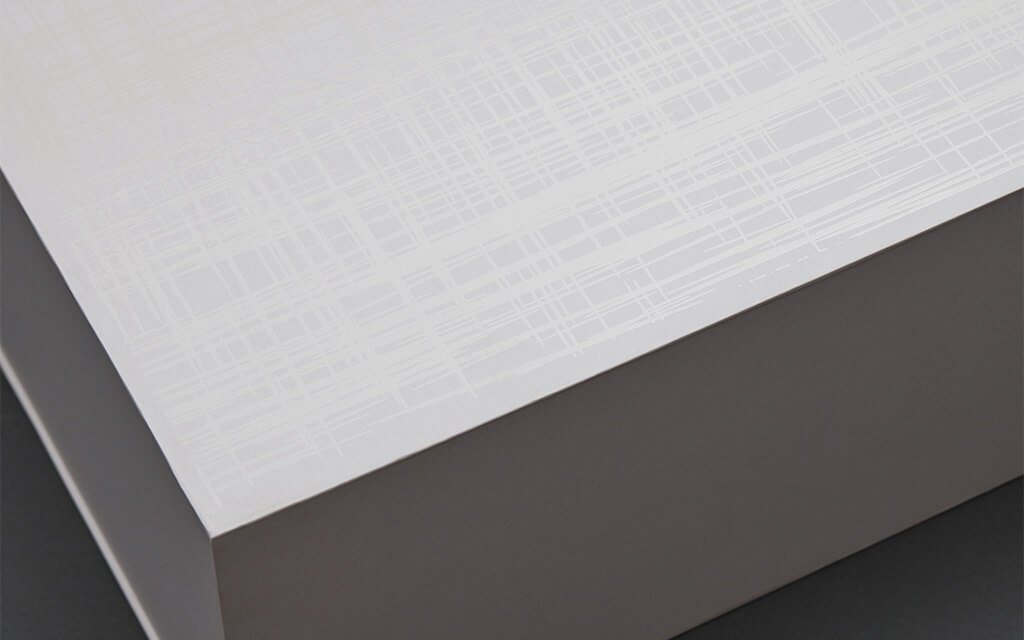
That difference comes from one process: V-cutting.
A V-Groover cuts a precise V-shaped channel into the greyboard before the panels are folded. It removes material from the inside of the fold line until only approximately 0.1mm of greyboard remains, so that the board folds at a clean 90-degree angle without compression or distortion on the outer surface.
Without V-cutting, the greyboard compresses and displaces when folded, pushing the surface slightly outward and creating the rounded edge that reads as low-cost. V-cutting adds time and cost to production, but it is the only process that produces a sharp corner. Brands that invest in it get edges that are exact and consistent across every unit.
Magnetic Closures & Hidden Components
A magnetic closure looks effortless from the outside, achieving that requires precise work before the wrap paper goes on.
Every magnet in a rigid box is recessed into the greyboard. Before wrapping, a milling machine cuts a cavity into the board, sized exactly to the magnet that will sit inside it. Once the magnet is seated, wrap paper is applied over the top. The surface stays flat and the magnet disappears completely.
The cavity depth has to be exact. Cut too shallow, the magnet protrudes slightly under the wrap paper, creating a visible bump on what should be a flush surface. Cut too deep, the magnetic pull weakens. Both errors show up on the finished box.
Magnet grade requires the same attention. Too weak and the closure feels uncertain. Too strong and the lid snaps shut with a force that feels aggressive rather than refined. Recess depth, magnet thickness, and pull strength are specified together before production begins. Getting all three right on the first sample is faster and cheaper than correcting them in production.
Sustainability in Rigid Box Packaging
Rigid boxes have a reputation for being difficult to recycle. Traditional finishing relied on plastic lamination bonded directly to the wrap paper. That combination is hard to separate at a recycling facility.
Two finishing alternatives avoid this problem:
- Aqueous coatings, water-based finishes applied to the printed surface, provide scuff and moisture resistance without introducing plastic into the material stack
- UV varnishes offer the same protection with a durable gloss or matte finish. Both are recyclable and neither compromises surface quality.
Rigid Box Styles & Variations
The structure of a rigid box is a product decision. The opening experience, the display logic, and the fit between box and product all follow from the configuration chosen. These are the four most common formats and what each one is built for.
| Style | Technical Features | Best For |
| Lift-Off Lid (Telescope Box) | Separate lid and base. Partial-depth lids sit shallower for easy removal; full-depth lids enclose the base almost entirely, increasing the controlled hiss effect on opening. | Apparel, footwear, electronics, any product where a clean top reveal is the primary unboxing moment. |
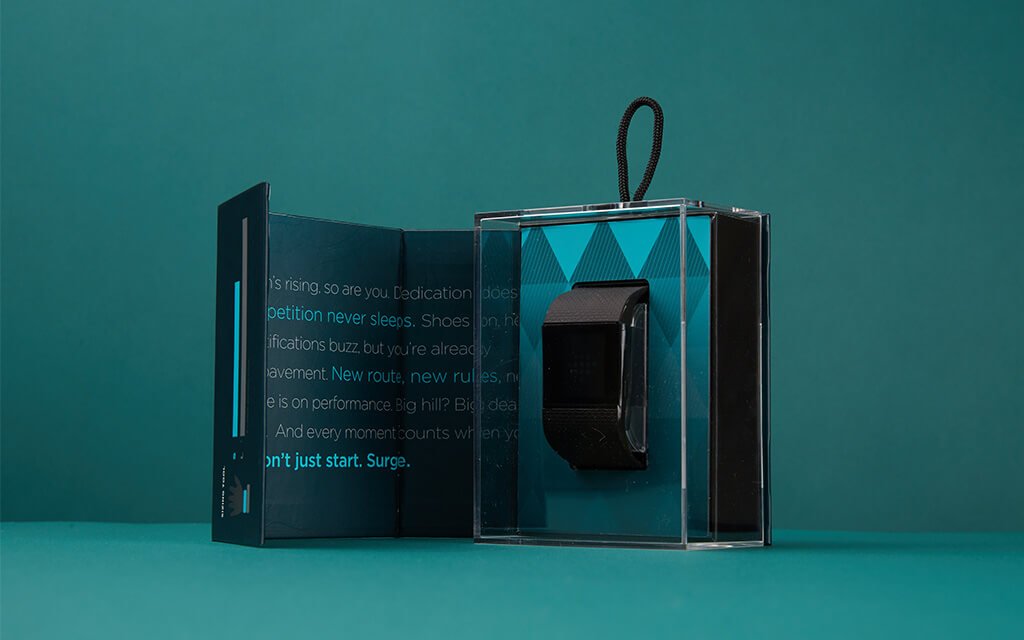
| Book-Style / Magnetic Closure | Hinged on one side, magnets embedded in the front closure panel. Opens like a book with a tactile click. The interior can be fitted with foam, ribbon, or custom inserts. | Jewelry, watches, cosmetics sets, gift packaging where the opening gesture itself is part of the experience. |
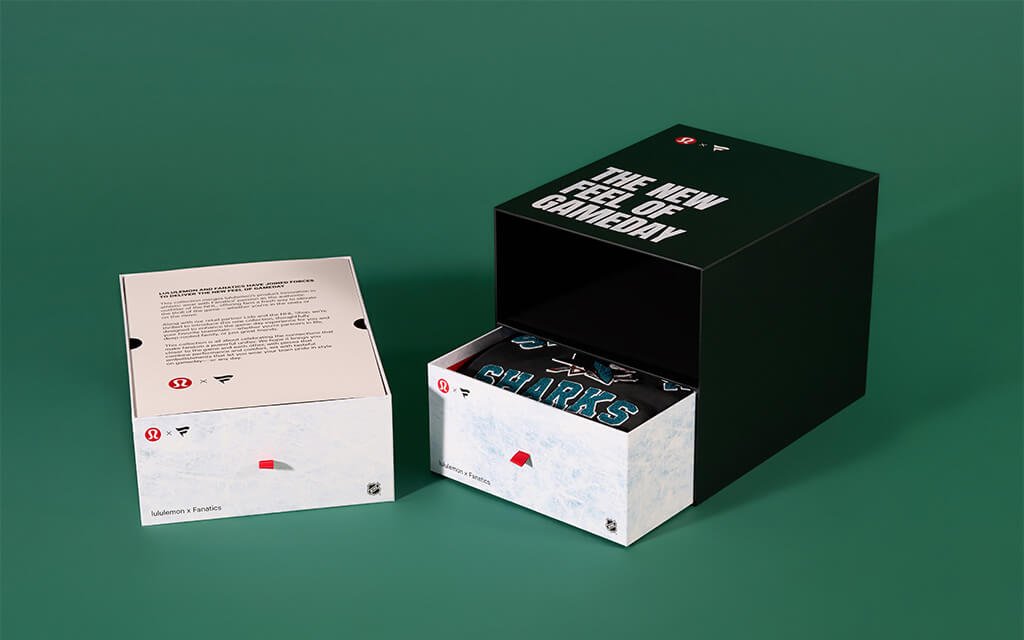
| Drawer (Slide) Box | An inner tray slides out from a fixed outer sleeve. A ribbon pull tab recessed into the tray base lets the customer remove the tray cleanly without touching the product directly. | Candles, skincare, tech accessories, products where a slow, deliberate reveal adds to the product experience. |
| Shoulder / Neck Box | A raised inner platform, the neck, extends above the base and creates a two-stage reveal as the lid is lifted. The product rests elevated on the shoulder, framed by the box walls. | Single hero products: a perfume bottle, a premium spirit, or a flagship skincare item where presentation is the priority. |
Zenpack’s Custom Rigid Box Packaging Solution
Material Sourcing
Greyboard density varies by supplier and batch. Wrap papers differ in fiber length, flexibility, and surface texture, all of which affect how the finished box looks and holds up over time. Zenpack sources and validates materials against the specific requirements of each project before production begins, ensuring the approved sample matches every unit that follows.
Design & Dieline Integrity
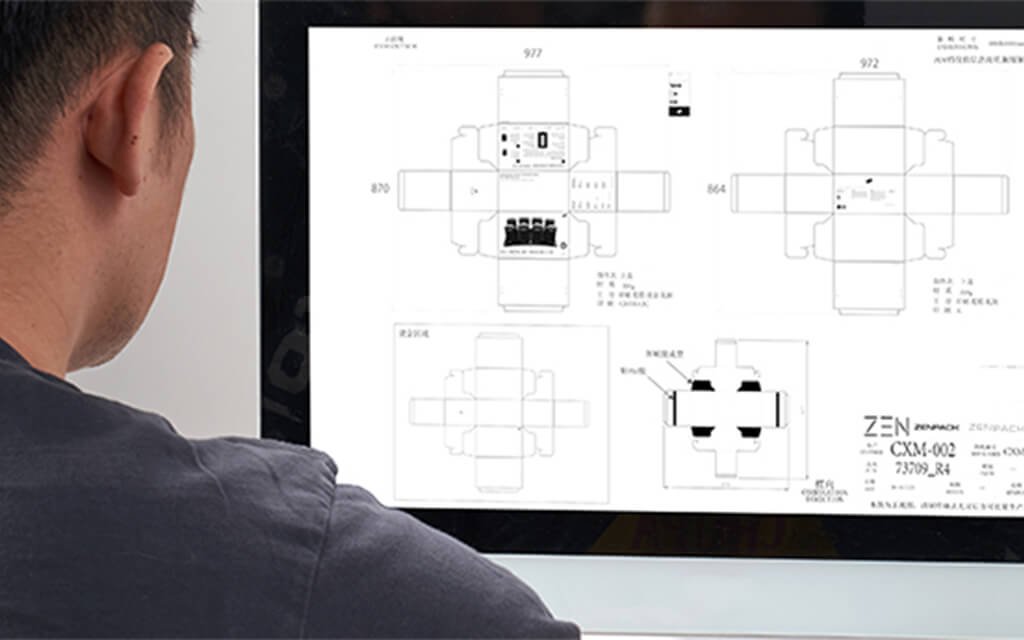
Rigid box dielines are more demanding than folding carton dielines. Most graphic designers work from flat artwork and miss three critical variables: the turn-in allowance where wrap paper folds over the greyboard edge, the overlap ratios at interior corners, and the graphic offsets required for paper wrapping around a three-dimensional surface.
Those gaps show up on the physical sample. A logo that doesn’t center correctly, a pattern that breaks at the corner, a color band that shifts between faces. Catching these errors at the sample stage costs time. Missing them into production costs more.
Zenpack’s dieline is built with all three variables into the file before artwork is placed. Every face, corner, and turn-in is mapped to the exact dimensions of the physical box before a single print file is submitted.
Logistics & Supply Chain Strategy
Rigid boxes ship pre-assembled and don’t collapse. Every container is partly filled with air, and that freight inefficiency cuts directly into landed cost at volume.
The model Zenpack recommends depends on where the boxes are filled. For brands assembling close to their manufacturer, collapsible rigid boxes ship flat and are assembled on-site using adhesive strips, removing the air freight problem entirely. For brands shipping directly to a 3PL or retail DC, pre-assembled shipments eliminate labor at the destination.
Zenpack determines the right model at the start of every project, before it becomes a freight bill.
Conclusion
A rigid box is not just a container upgrade. Every material specification, every tolerance, and every structural detail either earns the premium positioning the box promises or quietly works against it.
At Zenpack, we engineer custom rigid box packaging from the ground up. Material sourcing, dieline integrity, structural validation, and logistics strategy are handled as one system before production begins.
Contact Zenpack today to start your custom rigid box project.
The post Custom Rigid Boxes | Luxury Packaging Guide & Services appeared first on Zenpack Blog.


