
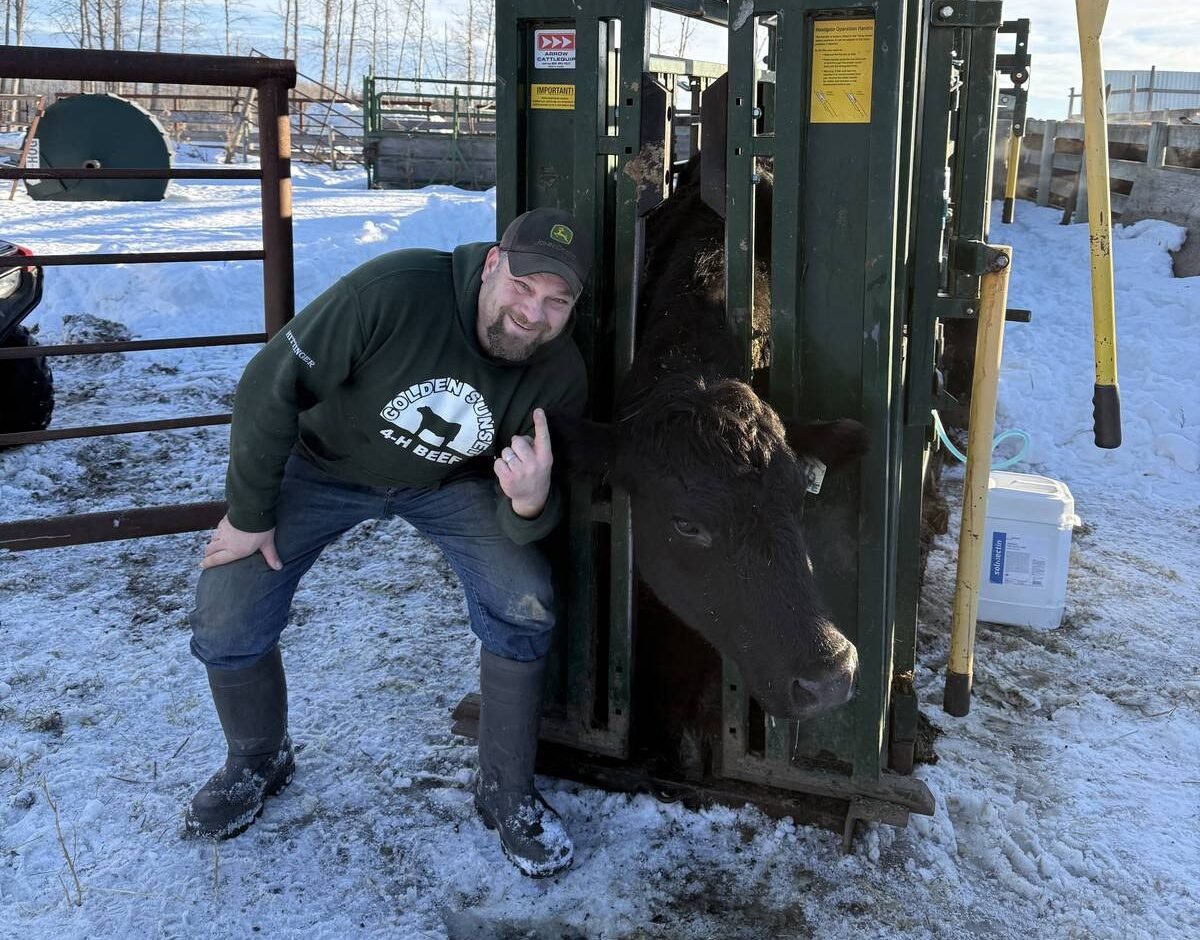
Mike Hittinger is the first livestock producer in Canada to try the Halter virtual fencing system. He’s been using it on his farm north of Edmonton since the beginning of January.
Hittinger, the chair of Alberta-based Gateway Research Organization, collaborates with that province’s Results Driven Agriculture Research (RDAR) funding organization and is involved with the On-Farm Climate Action Fund (OFCAF).
WHY IT MATTERS: More virtual fencing options in Canada give ranchers more opportunities to find the right fit for their operation.
“The opportunity came up and they were looking for someone to trial the system, and I thought it might be a good fit for my operation,” said Hittinger, who runs 200 head on 1,600 acres of pasture.
How Halter works
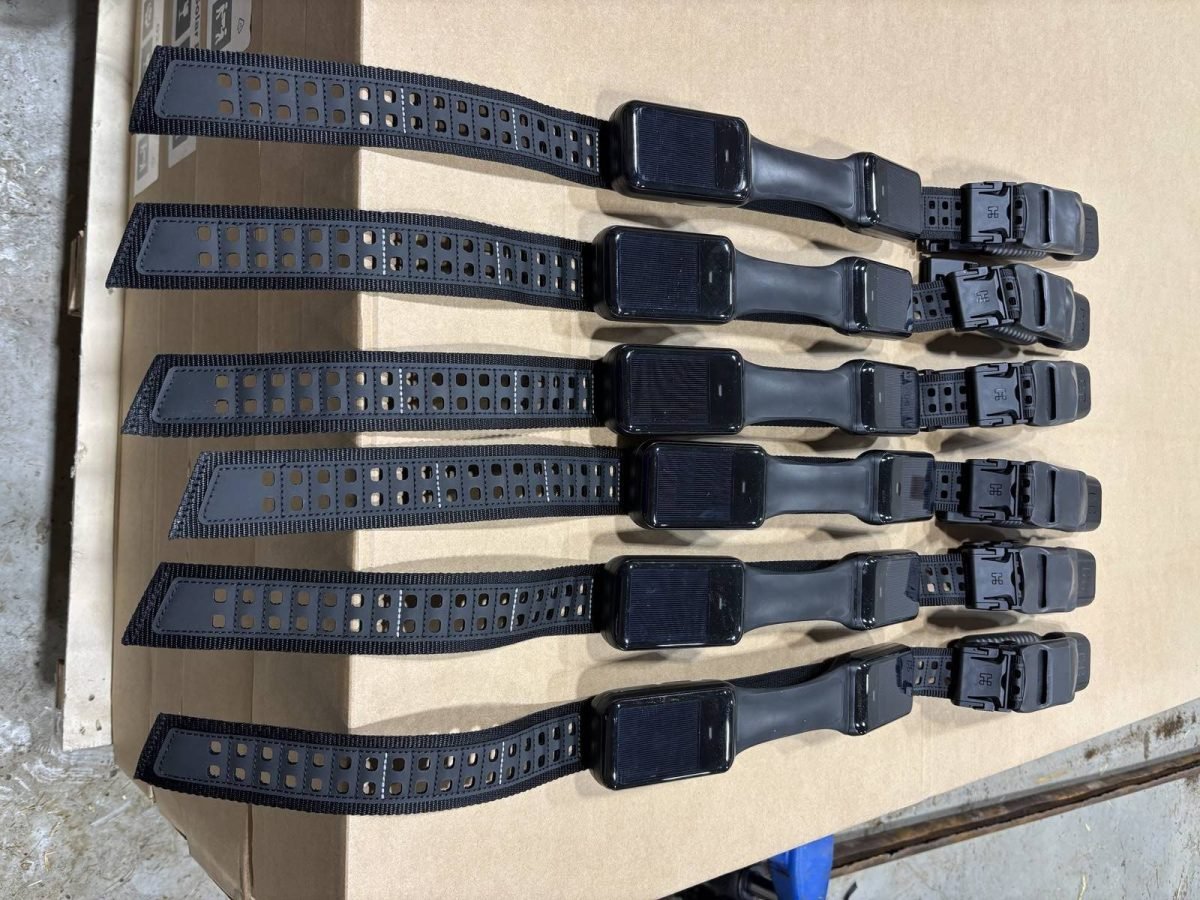
With the Halter virtual fencing system, which was created in New Zealand, the collars are GPS-controlled and have a solar panel to charge the battery.
Hittinger’s test of the system in Canada will examine how the unit functions in cold weather during winter.
Halter has stuck out from other agriculture technologies in its ability to raise significant funds. A US$100 million funding round last June helped value the company at US$1 billion. The latest round, supported by Silicon Valley financier Peter Thiel and his Founders Fund, added another US$220 million and could value the company at closer to US$2 billion.
Most other agtech startups struggle to raise enough funds to scale and few reach the $1 billion market capitalization required to be called a ‘unicorn’ in the investment world.
The company says it has sold a million of its collars already.
Hittinger said using an app or an aerial image on the internet enables the producer to set up the virtual fences they want.
“You don’t have a physical fence in place. You tell the map, ‘This is where I want this virtual fence to be.’ It downloads the GPS information to each collar, and the collars then know whether they are inside or outside of that boundary, and they guide the cows that way,” he said.
Hittinger said he can program the virtual fence for a certain herd and put the cattle in an area of the pasture that is not cross fenced.
“I draw the fence in the app on the map, and that information is downloaded to the collars via Wi-Fi and then the collars know via GPS signal where they are in proximity to that,” he said.

“Once they’re all trained, they will turn around at the sound of the tone. The shock usually provides a second-level warning,” he said.
Virtual system still needs a perimeter
Other virtual fencing options in Canada include systems by Gallagher, NoFence and Vence.
Unlike the Gallagher system, where the collar hangs down on a strap around the cow’s neck, the Halter system has a metal fibre woven into the collar.
“The collar looks like a seat belt. They’re adjustable and you can fit them to fit with certain tension on their neck. You don’t want them to fall off, but you don’t want it too tight, particularly on younger animals. You need to provide some room to grow,” said Hittinger.
The primary benefit is that Hittinger can move his cattle without a physical fence.
“For winter feeding, that makes swath grazing quite a bit easier. That makes bale grazing quite a bit easier because I don’t have to go wading through the snow and worry about the cattle pushing on the electric wire, or all the issues surrounding fencing in a winter-feeding system,” he said.
The Halter system is subscription-based, and each collar costs $97. Towers must also be purchased, and they are about $6,000 each. Gallagher collars are about $350 to $400, depending on how many collars are used.
Hittinger added that producers still need to have a perimeter fence, even if they are using virtual fencing. When there is a windstorm, or lightning, cattle will scatter and cross the virtual fence.
The Halter system will be eligible under OFCAF funds for the new funding year, which opened April 10. The Canadian Forage and Grassland Association also has funds available for producers who want to try the Halter system.
The post First Halter virtual fencing system arrives on Canadian farm appeared first on Farmtario.


