

By: Sheila Sampath, Head of Nature and Biodiversity
Since I started at Greenpeace, I’ve begun and ended most days the same way: trapped in the news.
It’s a part of the job: to keep an eye on what our so-called leaders are up to: the grandeur, the memes, the policy hidden behind the memes, the subtle and not-so-subtle cold wars playing out through tariffs, trade, and political theatre. This is the vision of leadership that dominates our news cycles. It feels increasingly performative, loud, certain, and arrogant.
But in March of this year, a new ritual emerged: I found myself obsessively checking updates from Greenpeace’s Deep Arctic Expedition. I’d track the ship’s progress, tune into the livestreams, and eagerly await whatever the team had discovered that day.
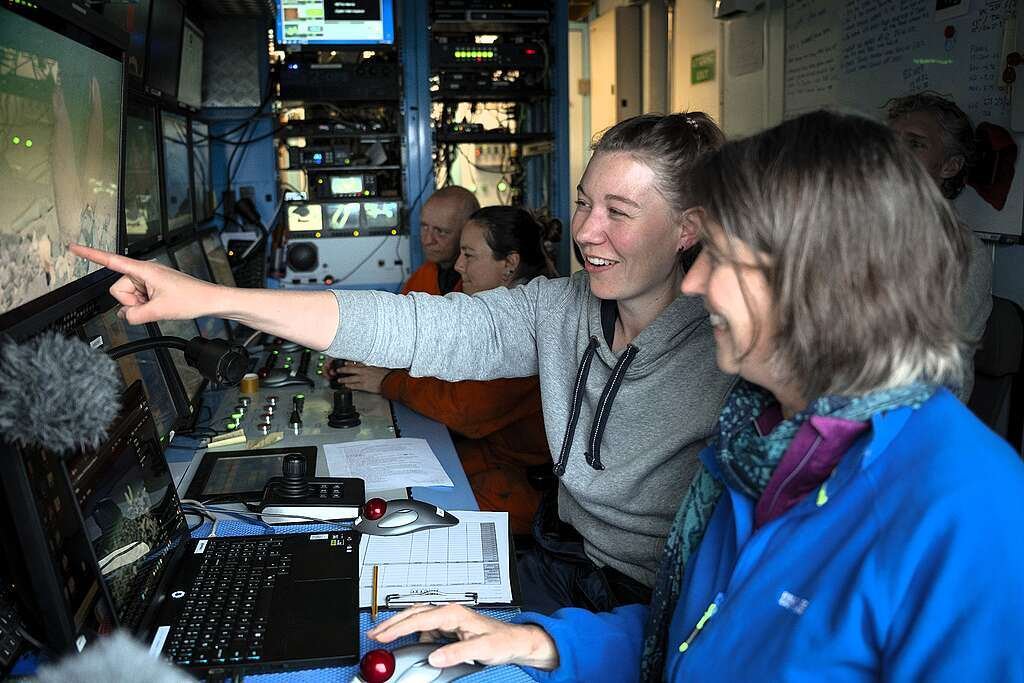
The livestreams were, by most standards, spectacularly uneventful. Most times, I’d see a handful of scientists sitting around monitors, speaking in calm, measured voices about sponge samples they were trying to collect with a robotic arm thousands of metres below the surface. I’d often have the stream playing while I worked, only half paying attention. But every now and then I’d get completely drawn into the suspense of the moment. Would Holly, the remotely operated vehicle, manage to delicately collect the brittle sponge sample or send it tumbling back into the darkness?
One morning, I even woke up at four o’clock, saw that the livestream was still running, and tuned in. I put my phone under my pillow (don’t come for my sleep hygiene) and fell back asleep, listening to the quiet hum of the ship and the voices from the control room. It wasn’t exactly ASMR… but it wasn’t not ASMR. My nervous system, it turns out, needed the gentle murmur of cooperation and care—a breather from the posturing and bravado we’ve come to expect from our world leaders.
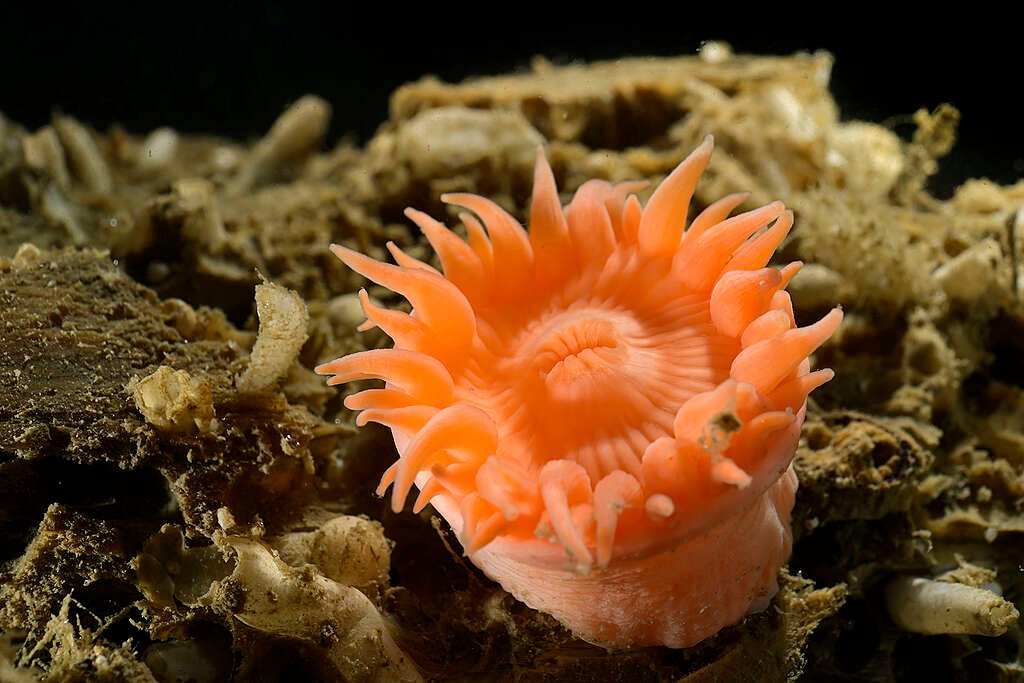
Because beyond the soothing soundscapes, I was watching science unfold in real time. I was watching curiosity. I was watching a group of unabashed nerds (it takes one to know one!) bringing diverse and complementary expertise together with care, generosity and respect. Nobody was trying to dominate the room, or pretending to have all the answers. The work itself became better because they were doing it as a team. It felt like a reprieve from the version of “leadership” filling the headlines.
It also felt like home.
Before my time at Greenpeace, I spent years building spaces that worked this way. I ran a feminist magazine, Shameless. I founded a social justice design studio and community space, The Public. Looking back, I’ve realized I was always trying to practice a different kind of leadership. A leadership full of contradictions: holding power while opposing hierarchy, holding expertise while actively decolonizing the very concept of expertise, centering care while also needing to get things done.
Over the years I’ve described this approach with words like“collaborative,” “community-centred,” and “facilitative.” And underneath them all are the same instincts of curiosity and humility, with a genuine belief that the best work emerges when we create the conditions for many people—and many kinds of knowledge—to shape it together.
So, when I joined Greenpeace last year, I was nervous. From the outside, Greenpeace is known for its bold actions and big headlines. I imagined an organizational culture where urgency and certainty would eclipse curiosity and care. And I worried that the things I value most could be mirrored back to me as “weakness,” lack of conviction, or, worse yet, a lack of commitment to the greater good.
But I’ve come to learn that while Greenpeace is an organization that speaks boldly, it’s also an organization that listens boldly. Where, behind every headline, there are a million acts of quiet leadership that come first.
I joined Greenpeace to lead our Nature and Biodiversity program work, where my portfolio spans two deeply connected areas. One is ocean protection and the other is an emerging body of work we call “Belonging in Nature.” At its heart, this project asks a simple question: what would it take for everyone to feel a sense of stewardship, care, and belonging in nature? It’s work rooted in healing, liberation, and self-determination, particularly for Black, Indigenous, and racialized communities, people living on low incomes, and people with disabilities. It’s about shifting power and using Greenpeace’s platform not to define the future of nature protection, but to help create the conditions for many different communities to imagine it together.
And realizing that there is room for that kind of leadership—one that I’ve spent much of my career trying to practice—is what has given me my own sense of belonging at Greenpeace. One that isn’t about having the strongest point of view, but about creating the conditions where many different ways of knowing can come into relationship with one another. It means making space for others to shape the agenda, trusting expertise that doesn’t originate inside our organization, and allowing ourselves to be genuinely influenced by what we hear. Because sometimes, leadership means stepping forward, but just as often, it means knowing when to step back.
I still begin and end my days with the news. I still pay attention to the loudest voices, because I’m pretty sure that’s written in my job description.
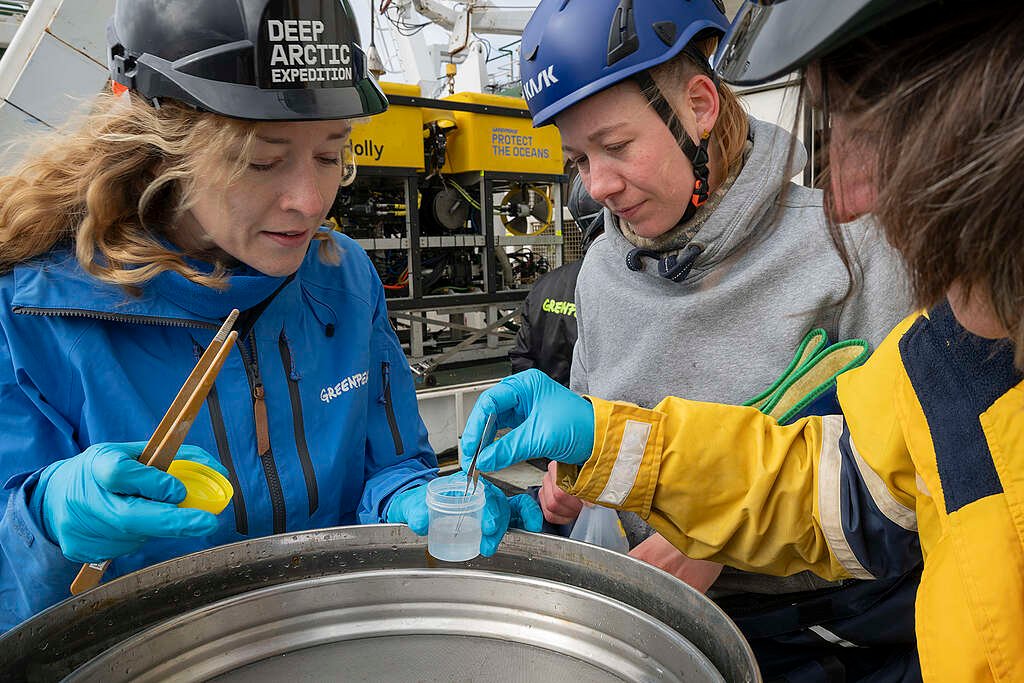
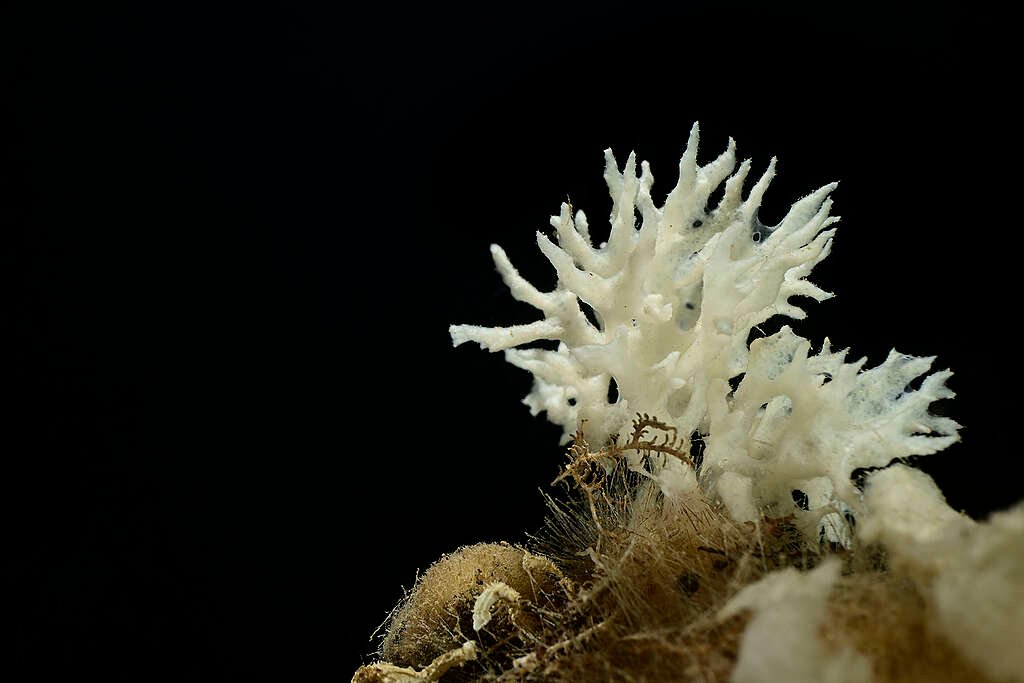
But when I need a respite from this theatre, I think back to the scientists aboard the Arctic expedition, patiently guiding a robotic arm toward a fragile sponge. They knew that if they moved too quickly, gripped too tightly, or forced the moment, they could damage the very thing they were trying to understand.
In a world captivated by spectacle, I’ve found hope and comfort in something much quieter: people choosing curiosity over certainty, relationship over recognition, and collaboration over ego. The best leaders I’ve known don’t cling tightly to power; they hold trust carefully, with both hands. That’s the kind of leadership I want to practice myself and nourish in others. It’s the kind of world I want to help build.
This blog post was written by Sheila Sampath, Head of Nature and Biodiversity here at Greenpeace Canada.


