
Many people in the agricultural sector have dropped off social media, says a recent survey by researchers at the University of Guelph.
A lack of agricultural experts on social media could affect the ability of agricultural and food advisory networks to work effectively, and of the sector’s ability to counter misinformation.
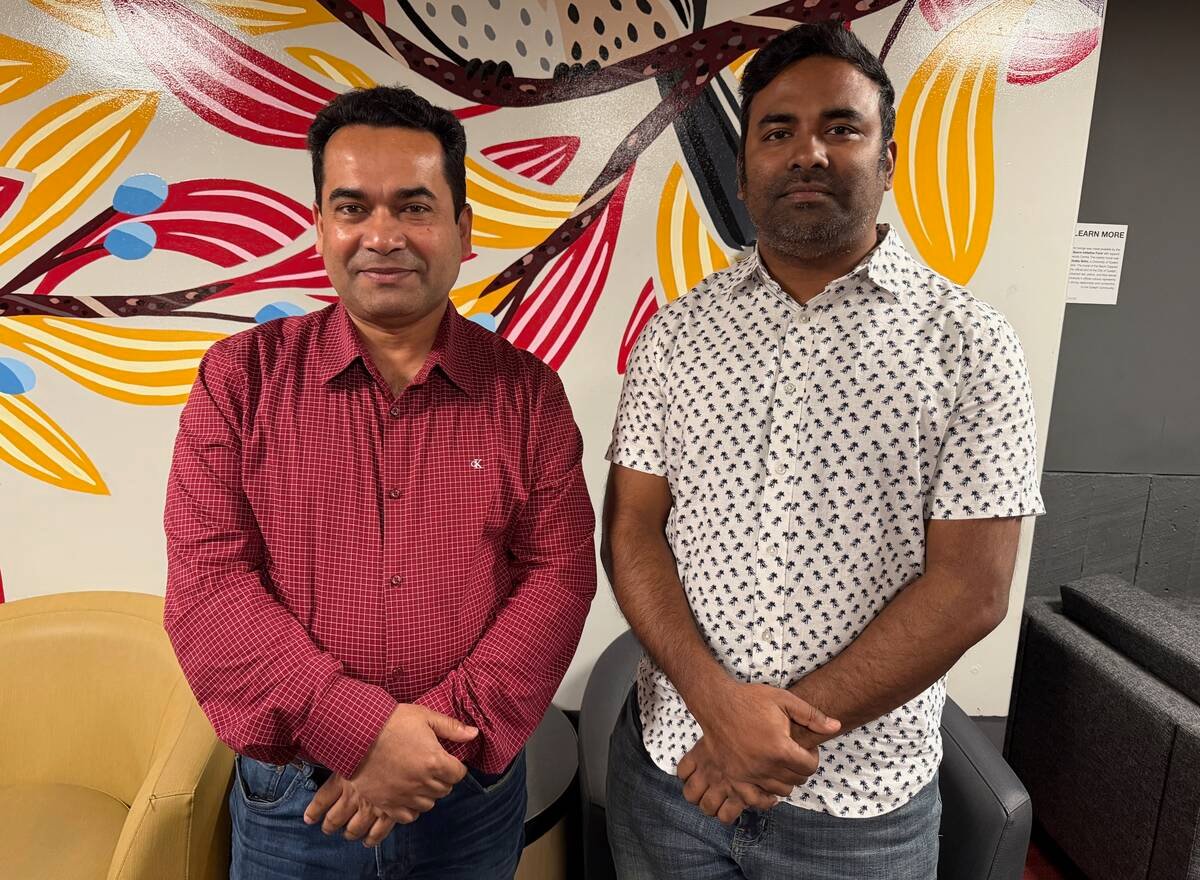
The survey was completed by Ataharul Chowdhury and Khondokar Kabir, with funding from the Food From Thought initiative at the University of Guelph.
Chowdhury teaches at the School of Environmental Design and Rural Development at the university, and does research in agri-food, climate change and rural misinformation. Kabir is a post-doctoral student who works with Chowdhury.
There are few other people in the world doing research on agri-food and rural disinformation, says Chowdhury.
The survey, which reached 51 agri-food professionals in Ontario, showed that 43.1 per cent of them have recently reduced or stopped using at least one social media platform.
“Our advisors, our farmers, our value chain actors, they are not using social media; they are just discontinuing using certain platforms,” says Kabir.
There do remain many companies and individuals using social media across the sector, but not as many as there once were, especially on a personal level.
People in the agriculture and food value chain might be leaving social media for good reasons, such as protecting their mental health and not finding value, but as experts leave platforms, their opinions and backgrounds are not there to counter disinformation.
That reduces the quality of an extension system.
The main reason cited for leaving social media was the spread of misinformation, followed by a lack of meaningful engagement and by anti-social behaviour.
The survey, with a small number of respondents, is not statistically significant, but Chowdhury says it helps illustrate trends.
Here are some more of the findings:
- 60 per cent encountered misinformation often or very often.
- 37.3 per cent formally reported harmful content to a platform.
- 53 per cent rate platforms as “not at all effective” at addressing misinformation and anti-social behaviour.
The alienation that comes from a lack of response to attempts to improve the platforms is a problem, says Kabir.
Polarization and toxicity of debate are also contributing factors, the survey showed.
Social media networks, especially X (formerly Twitter) and Facebook, were popular with farmers and advisors until misinformation levels grew. More spend time on YouTube, although there are problems with misinformation there too, says Kabir. LinkedIn is also growing in use as a networking tool.
People become disillusioned slowly with social media platforms, says Kabir.
“People become very annoyed, they become disappointed with this platform, a lot of misinformation, a lot of toxicity, personal attack. They don’t like it, and over time they just overlook those platforms,” he says.
Social media networks, large-language models and their algorithms should now be considered actors in the agri-food extension systems, says Chowdhury. A challenge is that agriculture experts have little control over how the social media platform and its algorithm act.
Making sure agriculture extension continues to be delivered by humans is important, he says.
“That means we need to think about also this challenging or negative side of disinformation,” he says.
Challenging disinformation is a skill, and he says advisors in the sector could use training to understand how best to manage it.
Chowdhury says the research project shows that there’s an issue in how misinformation affects agri-food extension and hopes it will get more attention from funders and agriculture organizations.
The post Misinformation, polarization drive agriculture off social media appeared first on Farmtario.


