

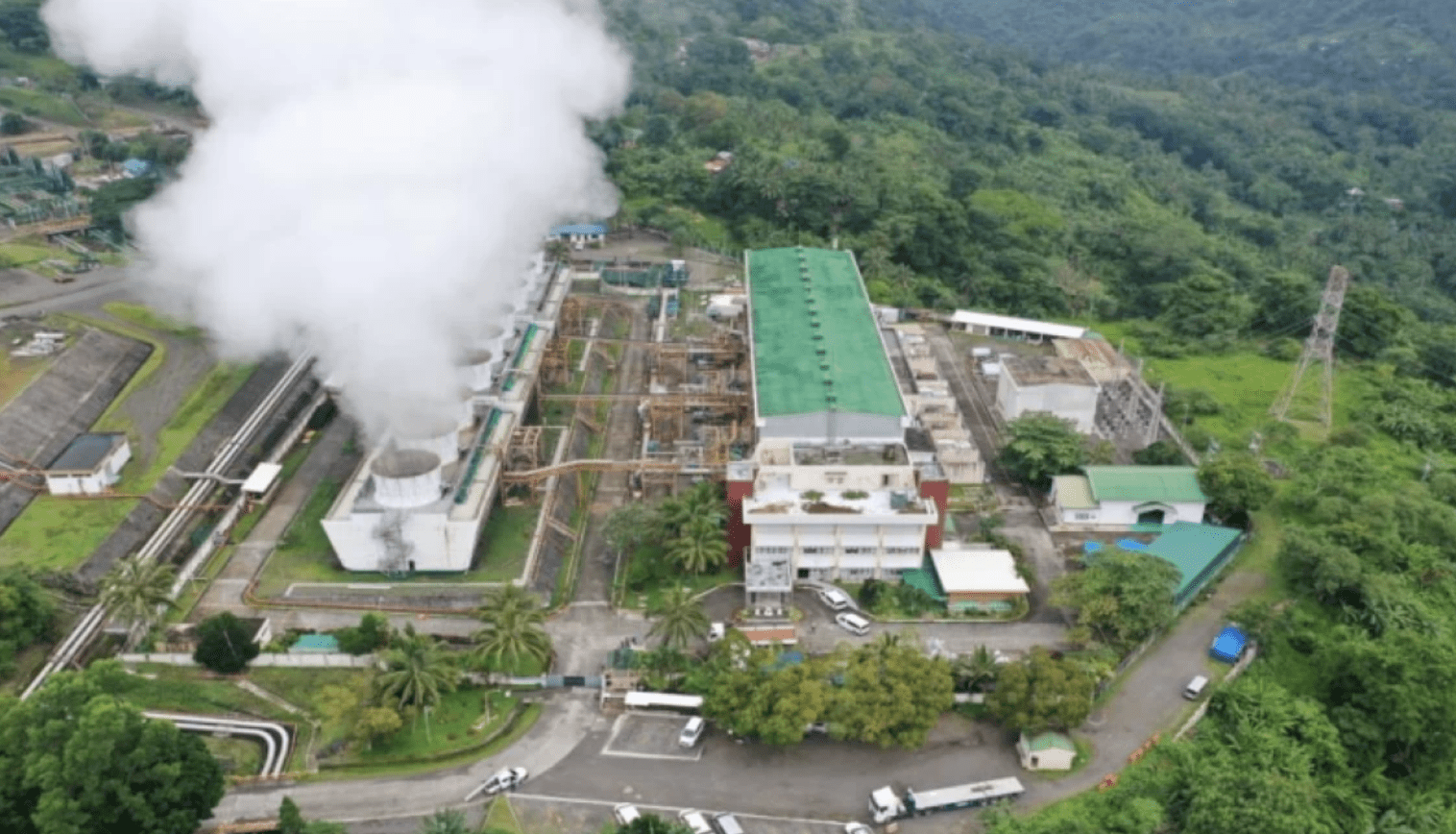
When news emerged that Indonesian billionaire Prajogo Pangestu made an unsolicited, non-binding takeover offer for Energy Development Corporation (EDC), the Philippines’ largest geothermal producer, most coverage focused on the size of the deal.
Estimates from initial filings and market disclosures place the transaction at more than $5 billion in equity value, or up to $7 billion including debt, making it one of the largest renewable energy acquisitions ever proposed in Southeast Asia. First Gen Corporation, EDC’s parent led by the Lopez family, confirmed receiving the indicative cash offer from Pangestu’s PT Barito Renewables Energy Tbk. EDC management has noted that while unsolicited, they remain open to evaluating strategic offers.
In the midst of studying the progress of the over two decades old Electric Power Industry Reform Act (Republic Act No. 9136) or EPIRA, the more interesting question may not be the price. It may be what the deal says about the direction of Asia’s energy transition amid national energy security.
For decades, energy development in the region has largely followed national boundaries. Power companies built assets within their own countries, regulators focused on domestic energy security, and governments treated electricity as a largely national concern. That model is beginning to evolve.
Across the region, policymakers are discussing deeper energy integration through initiatives such as the ASEAN Power Grid. At the same time, growing electricity demand, industrial electrification, and the expansion of data centers are increasing the need for reliable low-carbon power. These trends are creating pressure for larger pools of capital and technical expertise.
That is where EDC enters the picture. Energy Development Corporation is not merely another power producer. It represents decades of geothermal exploration, drilling, and operational experience in one of the world’s most geologically active regions. The Philippines is already among the world’s leading geothermal producers, yet substantial geothermal potential remains undeveloped. The same is true in Indonesia.
Seen from that perspective, the reported acquisition raises a legitimate question: Are Asian energy companies beginning to think regionally rather than nationally?
Pangestu’s Barito Renewables and Star Energy already control Indonesia’s largest geothermal operator. Bringing EDC under the same corporate umbrella would create a single entity, with geothermal assets and operational expertise spanning the two top geothermal nations in Asia.
That does not automatically make the deal a good one.
The Philippines has its own interests to protect. Unlike solar and wind projects, geothermal resources are treated as natural resources under the Philippine Constitution and remain subject to regulatory scrutiny regarding local resource ownership.
Will additional capital be invested in geothermal development? Will local operations and employment be maintained? Will exploration activity increase? Will Philippine energy security be strengthened or weakened? And can any transaction satisfy both the Constitution and the country’s long-term energy goals?
These are not obstacles to investment. They are the questions regulators and market watchers should be asking.
Supporters of the deal may argue that larger regional companies are better positioned to finance expensive geothermal exploration and development. Critics will counter that strategic energy assets should remain under predominantly local control. Both arguments deserve consideration.
What is clear is that geothermal energy appears to be entering a new phase. For years, it lived in the shadow of solar and wind, attracting less investment and public attention. Today, companies with proven geothermal expertise are commanding multi-billion-dollar valuations and drawing interest from investors across the region.
This may prove more significant than this particular transaction. Whether Pangestu ultimately acquires EDC or not, the proposal highlights a broader reality: geothermal, like offshore wind, has massive potential and is a strategic asset in Asia’s clean-energy transition. The debate now is not whether geothermal matters, but who will control its development, who will finance its expansion, and how governments will balance national interests with the growing flow of regional capital.
The answers to those questions will shape far more than a single acquisition. They may help determine how Southeast Asia builds the next generation of clean-energy infrastructure.


