
The global energy system is changing in two big ways: it is moving from centralized fossil-fuel generation to distributed renewables, and it is becoming more digital in how energy is measured, traded, and optimized. Steve Wilhite, Executive Vice President of Advisory Services at Schneider Electric, works at the intersection of these complementary yet challenging transitions. Schneider supports more than 40% of the Fortune 500 with energy procurement and sustainability strategies, managing over $50 billion in annual energy spending. His experience shows something that pledges and press releases often miss: the biggest challenge for corporate sustainability is not money, technology, or political will. The real issue is the gap between ambition and the ability to deliver. Companies are making Science-Based Targets commitments faster than they are building the infrastructure to meet them. Scope one and two emissions are being managed better, but scope three emissions, which come from a company’s supply chain, still present a systems problem that no single company can solve alone. Schneider’s zero-carbon supplier program suggests what it takes to close this gap. When the company started its own effort to cut emissions from its top 1,000 suppliers by 50% in five years, all 1,000 signed up within two weeks. However, about 84% of them did not fully understand what they had agreed to. Achieving success meant creating measurement tools, education programs, and action plans to help the whole ecosystem, not just individual companies.
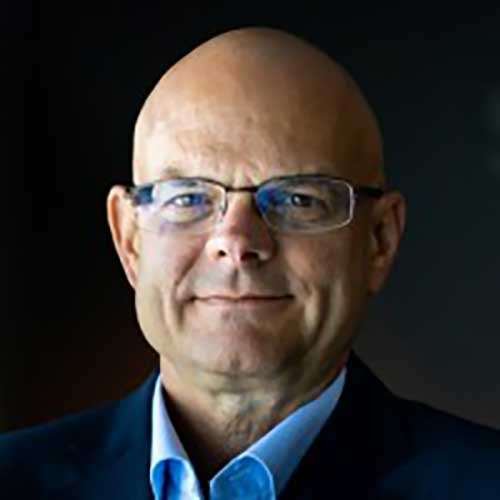
This critical conversation explores how renewable energy is bought, including the difference between physical and virtual power purchase agreements. Steve also explains why the Power Purchase Agreement (PPA) market became more complex as it grew, and why 10% fewer renewable deals closed in 2025 compared to 2024, as tech companies used up available clean energy. He also addresses a key question in clean energy: is AI helping the environment overall, or do its energy needs still outweigh its efficiency benefits? Schneider processes over a million energy invoices each month, and about 50,000 of them had issues that took 10 to 15 business days to resolve. Now, a team of AI systems can handle these in seconds. Accurate energy consumption and billing data directly affect emissions reporting, energy efficiency, and money-saving market decisions. He describes Schnieder’s approach as “frugal AI”: using the right-sized models for each task, running them on clean energy, and choosing simple solutions over complex ones. Looking ahead, electrification is building a global digital energy network in which every meter and adjustment contributes to a new system independent of central plants. As intelligence spreads, power can shift to consumers, communities, and businesses. Schneider is enabling this shift by building a mesh grid in which each point both produces and consumes energy, coordinated by AI. These changes fundamentally reshape the global energy landscape. The central question: will we intentionally build this new, distributed system, or will we repeat centralized patterns digitally?
To learn more about Schneider Electric’s sustainability efforts, visit se.com.
- Subscribe to Sustainability In Your Ear on iTunes
- Follow Sustainability In Your Ear on Spreaker, iHeartRadio, or YouTube
Interview Transcript
The post Sustainability In Your Ear: Schneider Electric’s Steve Wilhite Maps the Renewable Energy Transition appeared first on Earth911.


