
Agriculture should continue, as much as possible, to be spared from counter-tariffs.
That’s the argument Grain Farmers of Ontario laid out in an emailed statement to Farmtario.
“Ontario farmers grow food for people here at home and around the world, and trade measures should not make it more difficult or more expensive for them to do that,” read the statement.
Why It Matters: As a heavily export-dependent industry, particularly to the U.S., deteriorating trade relations create uncertainty for all Canadian agricultural producers, not only those directly hit by tariffs.
Making confident long-term decisions for their operations requires farmers to be able to produce food affordably, remain competitive and access reliable markets, the statement continued.
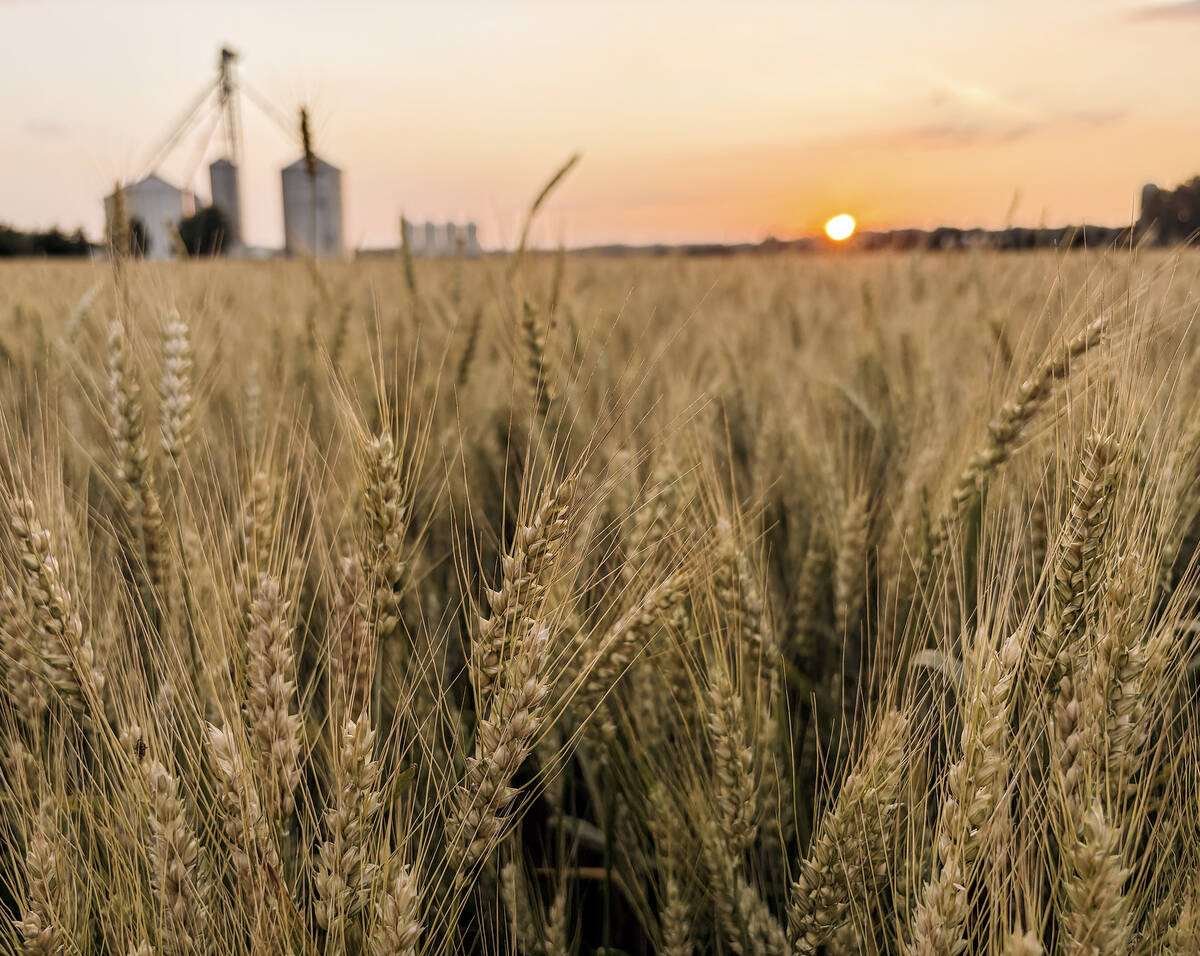
While the tariffs don’t directly target grain products, the Grain Farmers’ concern is the cumulative impact on the agricultural sector.
“Grain farming does not operate in a silo,” the statement noted. “Agriculture is an integrated system, and when one part of that system is disrupted, whether through processing, equipment, inputs, transportation, or market access, farmers feel those impacts quickly.”
Tariffs sour on dairy
As a dairy producer, Mark Hamel, chair of the board for Dairy Farmers of Ontario, knows firsthand how important stability and predictability are for farm families in planning for the future.
In an email to Farmtario, Hamel stated that Ontario dairy farmers were hopeful for a mutually beneficial resolution to the trade dispute, saying dairy farmers are concerned about new tariff impacts on businesses in both Canada and the U.S.
“Dairy farmers stand alongside other sectors in calling for solutions that protect jobs, strengthen economic stability and preserve the important trade relationship between our two countries,” he wrote. “We appreciate the efforts of our federal and provincial governments as they work to mitigate these impacts and support affected industries.”

Unsteady footing
New tariffs, the breakdown of trade talks with the U.S. and the spectre of counter-tariffs have left many Canadian agricultural groups on unsteady footing.
Escalating tariff threats are exacerbating existing affordability concerns for Ontario farmers, said Drew Spoelstra, Ontario Federation of Agriculture (OFA) President, in a written statement.
“OFA welcomes federal support for farmers, workers and impacted businesses,” Spoelstra wrote. “Ontario farmers continue to push for a fair agreement, supporting producers and processors across North America and prioritizing renewed Canada-U.S. trade negotiations.”
Keith Currie, Canadian Federation of Agriculture president, is concerned that without resolution, tariffs could disrupt supply chains and reduce food affordability.
It “creates uncertainty for farmers at a time when stability in our trading relationship is critically important,” he wrote in a statement on Aug. 22, when the 50 per cent tariffs took effect on a swath of Canadian dairy ingredients, honey, some wool and wool products, alcohol and many other products.
This, after trade deal negotiations broke down in their final hours, preceded by 18 months of frequent tariff threats from the U.S. and lingering uncertainty regarding the future of the Canada-U.S.-Mexico Agreement, which the U.S. declined to renew.

Tariffs pull at wool market
Tariffs on wool and wool products will hurt sheep farmers and textile industry workers, said Matthew Rowe, chairman of the Canadian Wool Council, in a statement.
“This is not the first time our industry has been caught in the crossfire of this trade dispute, and each escalation cuts deeper,” he wrote, adding that what began as a 25 per cent tariff in 2025 has now doubled.
The challenge is many high-value wool textile products cross the Canada-U.S. border multiple times during production. For example, Canadian wool may be washed here, sent to the U.S. for spinning and weaving before being re-imported to Canada to be sold.
In 2022, Canada exported a total of CAD $1.3 million in wool products, with the U.S. as the primary market. In 2025, Observatory of Economic Complexity (OEC) stats show Canada exported $335,000 worth of wool, the bulk of it to the U.S.
Fair negotiation
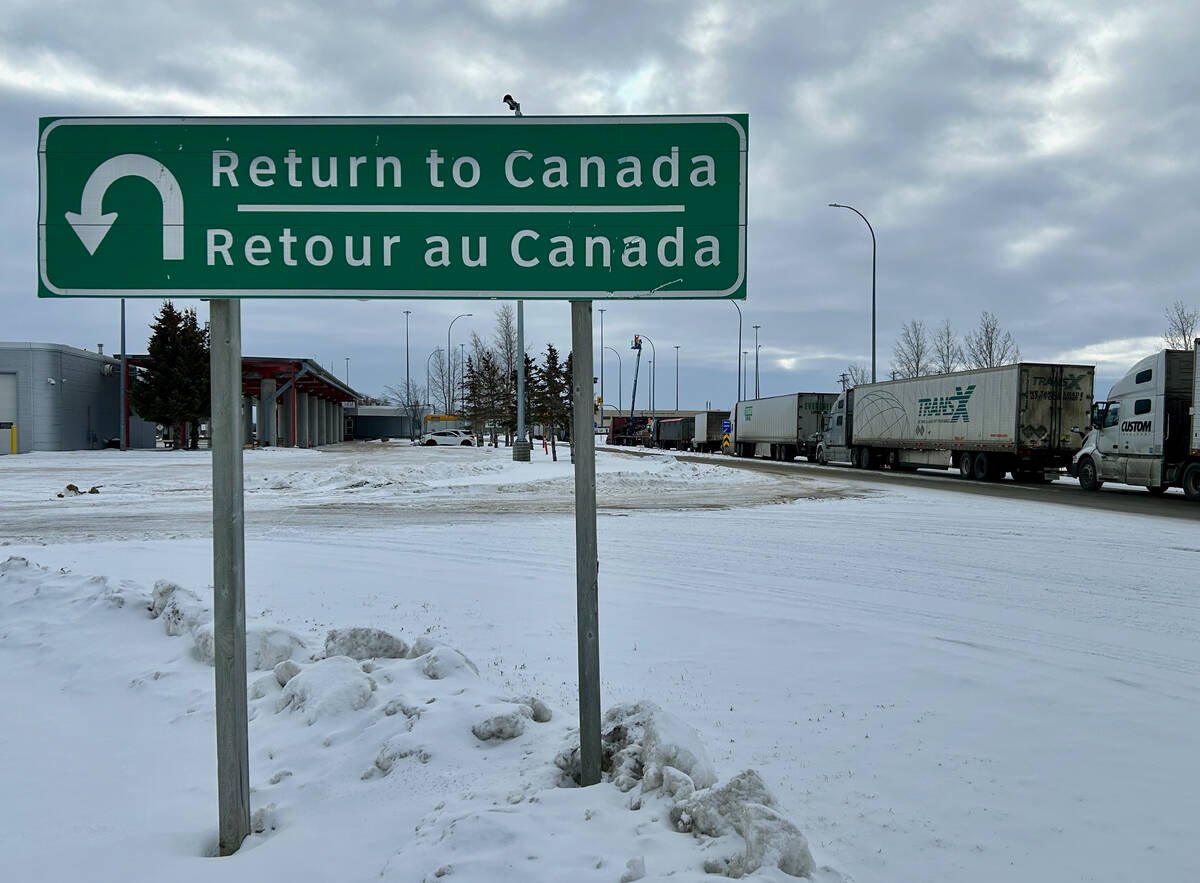
While much of primary agriculture isn’t implicated in new 50 per cent levies, the deterioration of the Canada-U.S. relationship “should concern every export-dependent sector,” the Wheat Growers Association said in a statement.
“The United States is our largest customer, our closest ally and the world’s biggest market sitting directly on our doorstep,” said Wheat Growers president Gunter Jochum. “Canadian farmers depend on trade. We cannot treat access to that market as something we hope works itself out.”
The agriculture sector cannot afford a strategy that relies on American politics to change; rather, it needs to “deal with the America that exists, not the America we wish existed,” Jochum said.
“Farmers are not pawns. Our crops are not bargaining chips,” Jochum said. “Trade wars too often deliver benefits to the few by distributing the costs across the many. Canadian agriculture should not be asked to carry those consequences.”
The CFA is also urging government to return to the negotiating table and “work toward a swift resolution that protects the competitiveness of the highly integrated North American agricultural sector while minimizing unintended consequences for farmers, agricultural supply chains and food affordability.”
The post Trade war threatens far more than targeted products appeared first on Farmtario.


