
As herbicide resistance grows and new weeds appear, proactive weed management is increasingly a necessity for farmers.
“It’s important to be trying different methods … primarily around conventional agriculture and the use of herbicides, and the longevity of the herbicides that we currently have,” said Shaun Sharpe, a research scientist at Agriculture Canada.
New cases of herbicide resistance appear around the world every year. Tight crop rotations, repetitive herbicide use and lack of control methods such as sanitation are contributing factors.
“The thing is, nature is almost always one step ahead of you … because nature has adapted to what you’re doing on the farm. said Cory Jacob, a weed control specialist with Saskatchewan Agriculture.
This year is expected to see a worsening of resistance and weed spread as producer margins tighten and adopted proactive methods fall to the wayside.
Cultural control methods such as increased seeding rates, narrower row spacing, competitive crop varieties and increased fertilizer inputs to close the crop canopy quicker all come with a cost.
“I do understand people trying to cut costs where they can,” said David McKerchar, an agrologist in east-central Saskatchewan and president of the Saskatchewan Institutue of Agrologists. “What we may see happen, though, is if they have to reduce their fertilizer costs, then the seeded crops may not be as competitive with the weeds that are there.”
Experts are urging producers to consider increasing proactive control and trying different methods to slow the spread of weeds and manage the soil seed bank.
Diversity of control
The most common control method is chemical, but interest in other methods is growing.
Sharpe has seen more growers using cultural controls to improve competition, namely increased seeding rates and more competitive varieties.
McKerchar added producers will adopt the methods that are the most economical and suitable to them.
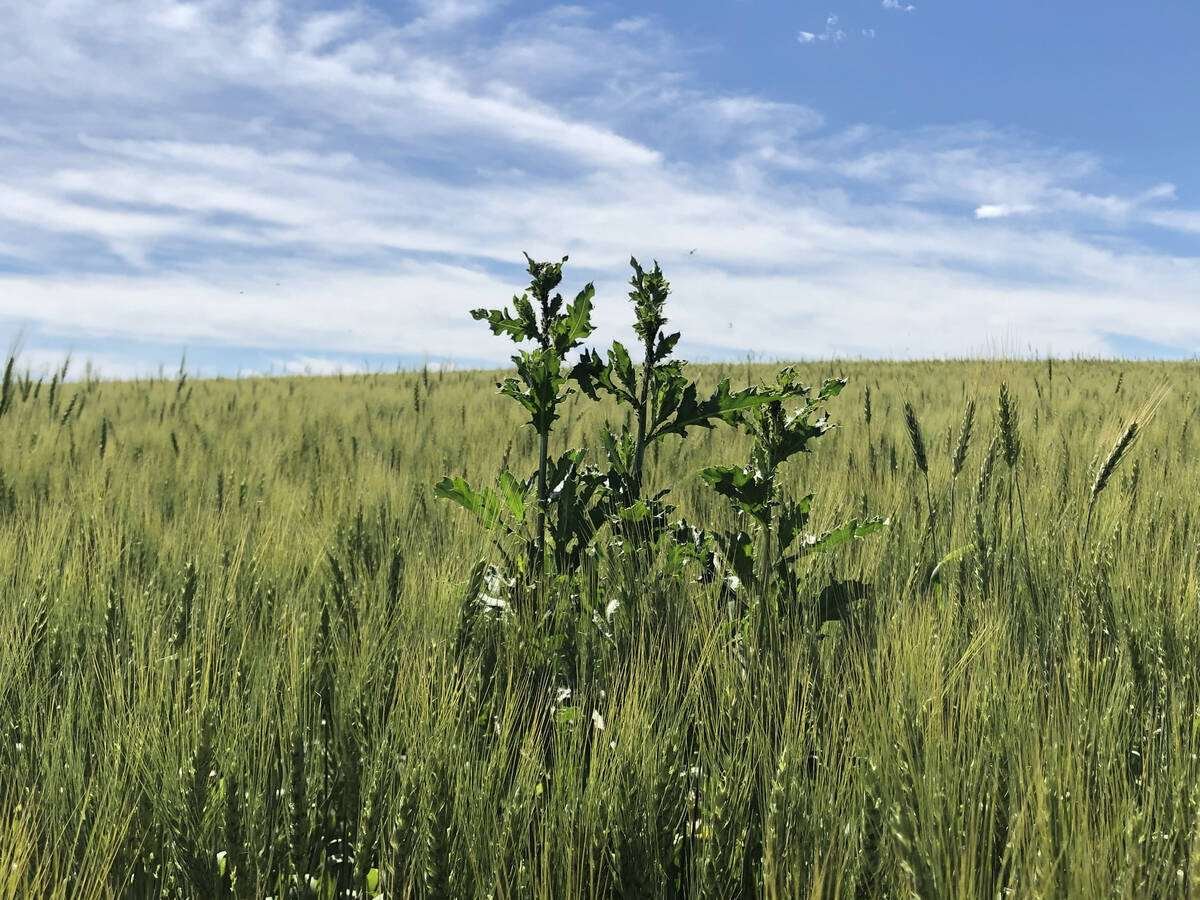
“You’re starting to see guys getting more proactive, focusing on those particularly troublesome areas,” he said. “Because if they don’t, then those become the parts of the field where the weeds will spread out from.”
Troublesome areas such as marginal land, saline zones or parcels with pH issues are often targeted with spot spraying and layering of herbicides. However, McKerchar has seen some people adopt regenerative agriculture practices such as seeding areas to forage or salt tolerant grasses.
Sharpe recommends incorporating a range of management methods, such as cultural, mechanical and regenerative alongside with the common methods of spraying at proper staging, using correct chemical doses, and employing multiple modes of action.
The ultimate goal is to find ways to make crops more competitive.
Mechanical
There are a wide variety of mechanical methods, such as mowing, spot tillage and impact mills. Some are viewed with a wary eye, such as spot tillage, while others are more widely adopted.
A growing practice is mowing kochia, which is best done at or before flowering to reduce pollen and seed production. However, kochia may need a follow-up cut with its tendency for a second flush.
It can also be used for wild oats when a dwarf crop is seeded because the weed is typically tall.
However, a recommended technique is impact mills, also known as seed disruptors or terminators, because it greatly helps reduce the soil seed bank by pulverizing seed to a fine dust to prevent it going to seed.
There has been strong interest in using the practice to target wild oats and kochia, and producers have been having good results, he added.
The wide range of use offers an economic option.
The only caveat to this method is that depending on combine header height, the shorter weeds will be missed as well as any seed already on the ground.
Alternative ideas
The other direction is to look at regenerative agriculture, which offers an interesting blend of practices that many experts are considering. There is a push for forage integration, but not much farmer acceptance.
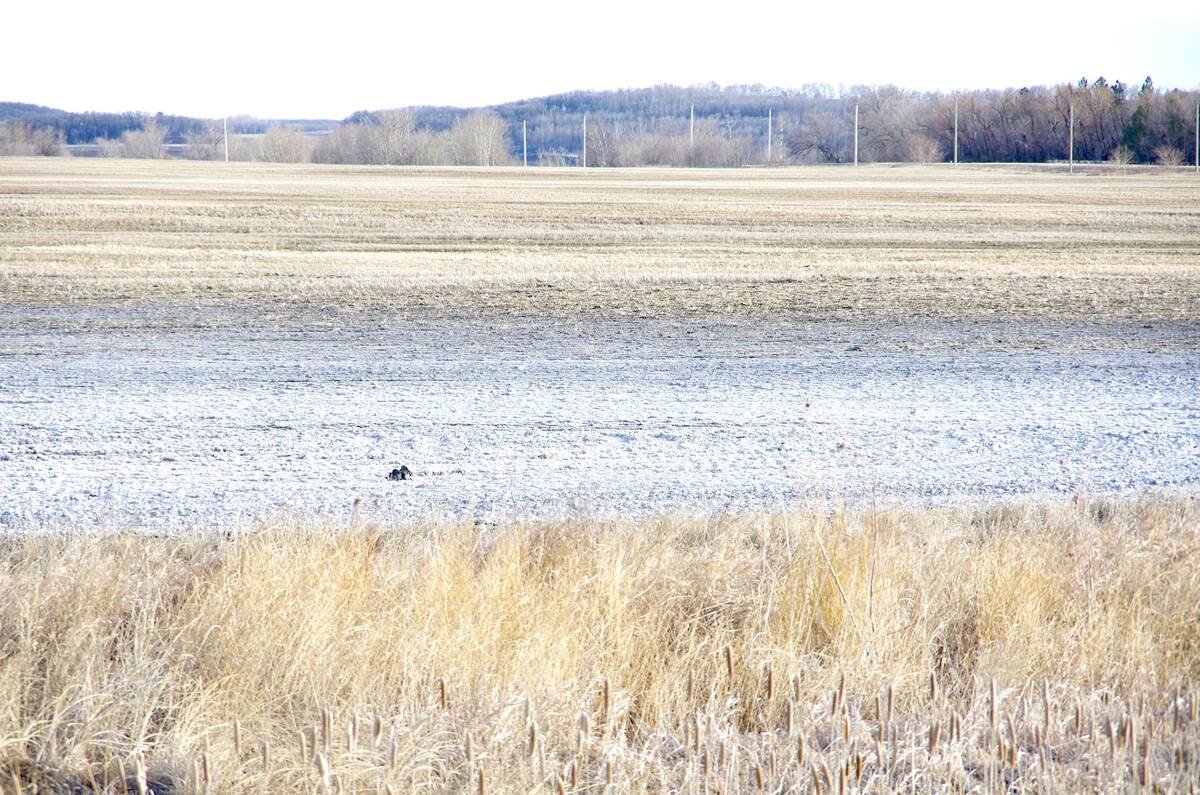
Diversifying the field at the borders and in marginal areas could help out-compete weeds and keep them on the edges. Seeding forages or grasses into these areas might seem like a waste of land, but it’s likely a more economic option than continuing to add inputs and could offer additional long-term benefits.
Other options from the regenerative side include integration of cover crops and intercrops for a more competitive crop canopy and the use of living or dead mulches to limit weed spread and growth.
Cattle are another, although less popular, option.
“If you have it fenced, put cattle on it,” McKerchar said of seeding forage.
“Cattle are wonderful, because they keep grazing the weeds and putting pressure on them so that they don’t go into seed, and that removes that particular weed from the seed bank.”
Integrating new ideas
When it comes to using the different methods, it’s not a “go big or go home” scenario. It’s about figuring out which strategy works best for producers, their operations and location.
The experts suggest starting small with a particularly problematic area or a smaller field and trialing something simple.
“Be your own researcher,” McKerchar said.
When choosing the method, determine what is sustainable for that zone, for the farm in terms of budget and workload and if it will work with the moisture levels and crops.
“If everyone has a grandiose plan, it can maybe seem overwhelming to start,” Jacob said.
“But I would say (start) something that’s simple and realistic, that you can maybe accomplish it in the year.”
The post ‘We can’t spray our way out’: Controlling herbicide resistance appeared first on Farmtario.


