
Entomologists and researchers are tracking unusual instances of orange wheat blossom midge, primarily in winter wheat grown in Ontario’s south-central, central and eastern regions, as well as Quebec.
At least one expert suspects the midge, usually a Western Canada crop pest, in the south-central region is a product of favourable pupation conditions earlier this year. The midge may also be partly responsible for rendering wheat plants vulnerable to pathogens such as alternaria.
Joanna Follings, a cereal specialist with the Ontario Ministry of Agriculture, Food and Agribusiness, said prolonged snow cover on unfrozen ground in the southern Ontario snow belt likely provided insulation for the pest throughout the winter. Multiple spring rainfall events may also be factors.
Sightings of the midge — which causes the greatest damage in its larval stage — are rare in eastern Ontario due to little snow cover that lasts for the whole winter in the region most years. Follings said few details are known about the midge in that region and the province’s central zone.
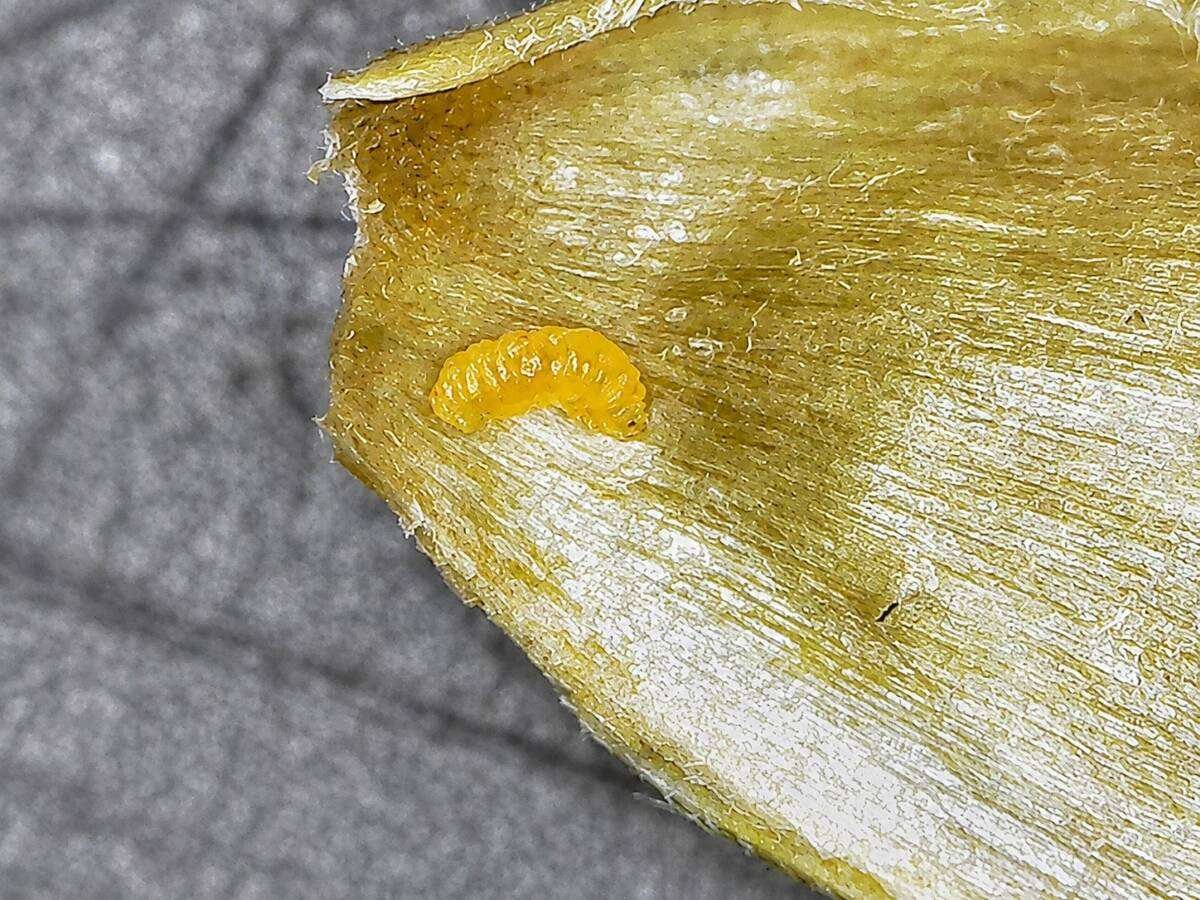
The Quebec incidents, which have now been discovered in wheat fields throughout the province, were found and reported by the Centre de recherche sur les grains (CÉROM).
A Saskatchewan-based researcher and entomologist suggested the Ontario midge could stem in part from growers simply not looking for it.
“I don’t think that wheat midge is really something they look at because in Ontario, a lot of the wheat is winter wheat, which … should be past its susceptible phase before the wheat midge emerges,” said Tyler Wist with Agriculture and Agri-Food Canada’s Saskatoon Research and Development Centre. Wist described the midge appearances as “not typical.”
Follings said her team is still investigating the causes, the extent of the damage and how far the midge has spread. What they do know is that it hasn’t been limited to winter wheat.
“We’re also finding it in spring wheat fields and plots and samples as well,” she said.
Perfect storm of complementary conditions
In addition to its comfortable overwintering, Follings said a few other environmental events likely combined to form favourable conditions for the pest to both emerge and reproduce in south-central Ontario.
The region’s cool spring was a boon for wheat growth, but it may have also prolonged its growth stages, she said, causing anthesis and heading to coincide with warm, midge-friendly overnight temperatures of 14-15 C in early June. This would have allowed the midge a perfect time and environment to lay eggs.
“Fields and varieties that headed during the June 6-10 timeframe appear to have experienced the greatest impact, although differences in heading and anthesis timing likely contributed to variability in damage among fields and varieties,” Follings wrote in a Field Crop News article.
Early June rain may have encouraged the midge to pupate: something OWBM can be slow to do. “They can survive in the soil for a pretty long period of time, but if they don’t have the right conditions, they won’t necessarily pupate,” said Follings in an interview.
May be linked to other wheat damage
The midge may have also played a role in a wide range of yield and quality concerns during south-central Ontario’s winter wheat harvest, noted Follings. These include empty heads, partially-filled heads, shrunken kernels, premature head death and lower-than-expected yields.
Many area fields also contained blackened heads and kernels showing symptoms of black point. However, Follings said black point is primarily a quality measurement; it does not cause empty heads, poor kernel fill or significant yield loss.
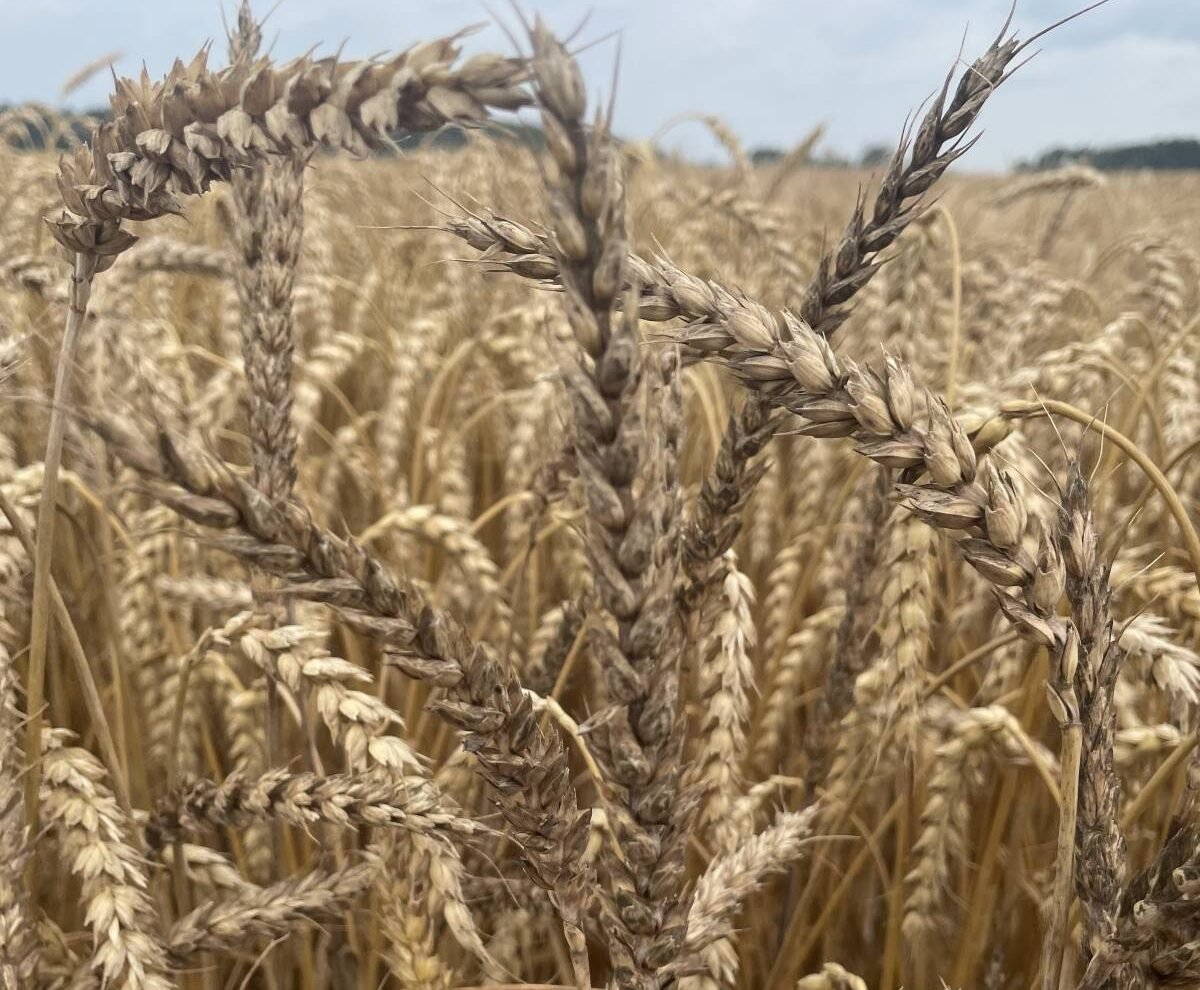
She said the midge may have fed on some fields, creating dead plant tissue that’s like catnip to the opportunistic fungal disease alternaria, which causes black point in wheat crops. However, Ontario wheat crops frequently attract alternaria without wheat midge playing a role, said Follings.
No midge awareness = no control
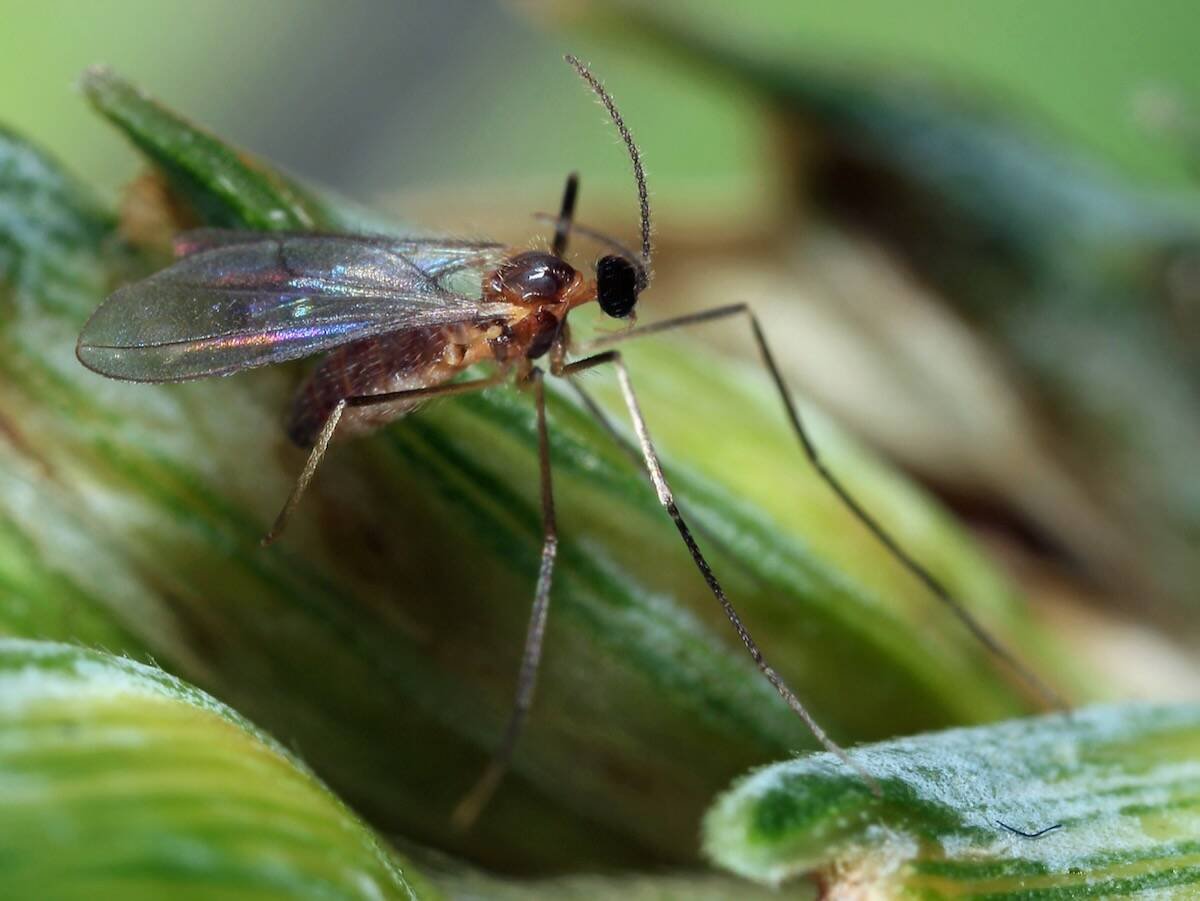
Although a midge-resistant Sm1 gene was originally discovered in winter wheat, there are no wheat midge-resistant winter wheat varieties in Canada and only one registered insecticide: dimethoate, a systemic and contact Group 1B product that primarily targets benign adult wheat midge.
There are practices available for controlling midge, said Wist, but they’re only effective if producers are aware of and looking for the pest in the first place. He would like to expand the Midge Busters program, which provides pheromone traps to producers and agronomists throughout the Prairies, to central and Eastern Canada.
That will surely be on the agenda of a meeting Follings is scheduling with entomologists, researchers (including Wist) and government representatives in early fall. “We’re … trying to connect with researchers in Western Canada, as well as in Quebec, to see if we can combine resources and combine knowledge and try to help growers here come up with some possible solutions.
“(We will) continue to understand the extent of the damage, gather intel on that and then try and set up some monitoring for producers in the province as well as into Quebec, and then from there try and help growers manage the pests if it does become an issue of concern.”
Ontario survey available
Follings has been asking producers who’ve experienced OWBM to fill out an OMAFA online survey.
The survey is intended to gauge the concentration of midge outbreaks. It also asks about the variety planted, seeding date and anthesis date to help the team identify common risk factors. “We do have some answers, but we’re still very early on that and would still like growers to continue to submit if they’re willing.”
The post Wheat midge found in Ontario and Quebec fields appeared first on Farmtario.


