
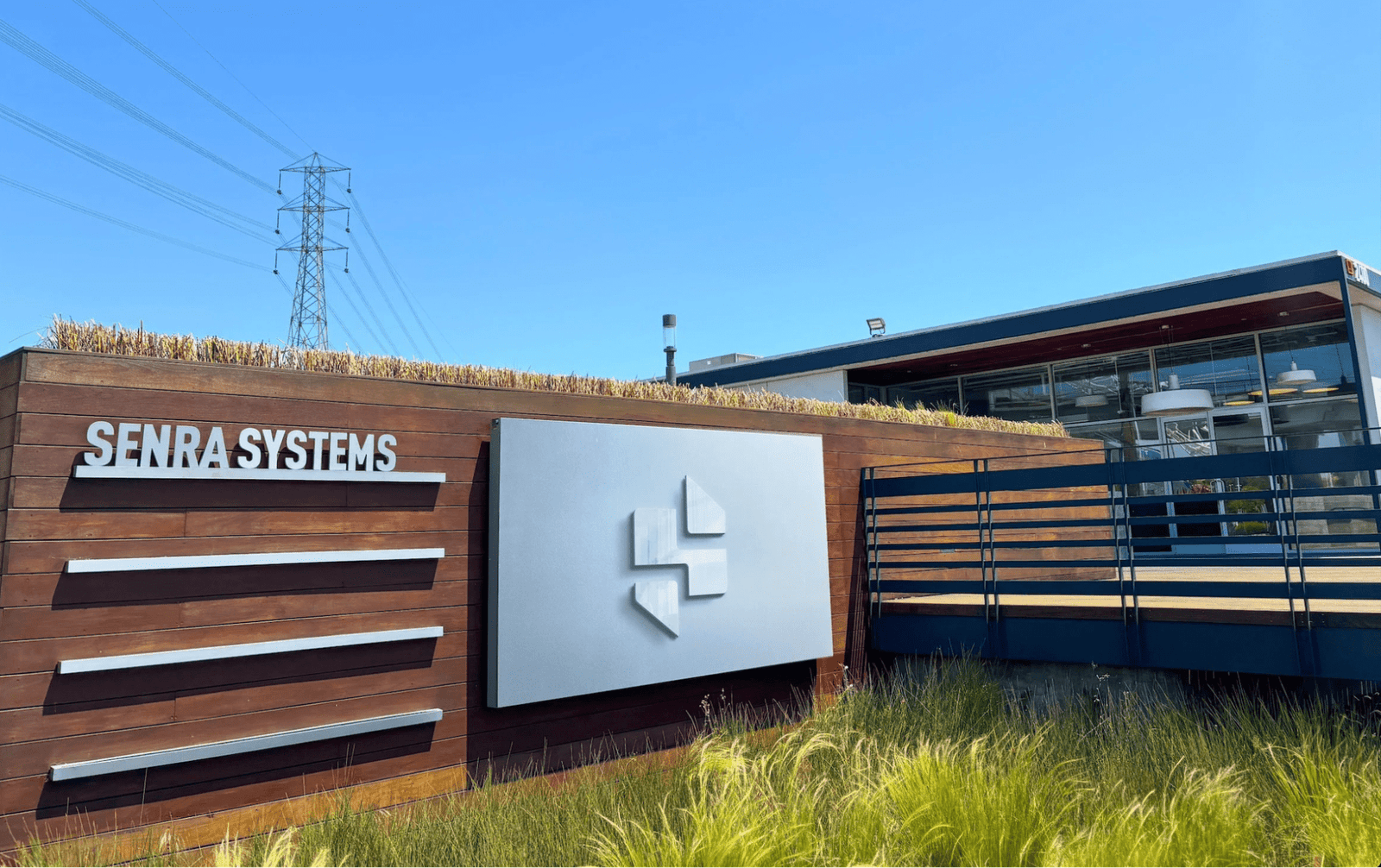
Walk into the Senra factory in Redondo Beach, and you’ll find former baristas and Uber drivers assembling wire harnesses for leading A&D companies. Eight weeks ago, some of them had never touched a soldering iron. Now they’re assembling one of the most critical building blocks of the electrified economy. At a time when AI is making most of the workforce nervous about their future, here’s a place that would love to hire you.
Your LinkedIn or X feed might suggest otherwise. Scroll through a few posts, and you’d think every factory in America runs on humanoid robots. Those thinkpieces generally come from people who haven’t set foot in a factory and who talk about “reshoring” as if they discovered it. The reality is that many of the most important jobs in America are filled with flesh-and-blood humans, and right now, there are not enough skilled hands to go around. If we’re going to fill the massive number of open jobs, we need companies like Senra that demystify the tribal knowledge of wire harness assembly.
The companies that will define the next era of American manufacturing are the ones building systems that scale production with the workforce we have now. That’s the thesis behind Senra Systems, and it’s why we led their $65M Series B alongside Interlagos, Founders Fund, Sequoia, CIV, a16z, Dylan Field, and several others.
About That Manufacturing Renaissance.
Senra’s co-founders, Jordan Black and Ben Shanahan, came from SpaceX, where they watched Falcon 9s get hand-built the same way as the Saturn V. Wire harnesses are the nervous system of every electronic device on Earth, bundling miles of wire into tight spaces to route power and signals where they need to go. Strip the wires out of a rocket, an aircraft, an EV, or a data center, and you’re left with a portfolio of expensive sculptures.
The wire harnessing market is north of $100 billion. The supply chain behind it is fragmented across hundreds of small shops, struggling to balance spiking demand for electrical products with a shortage of manufacturing experience. Each job is a bespoke process, and the hands with the most crimping experience are aging out. U.S. manufacturing is short 600,000 positions, and a quarter of the workforce is over 55. Every company posting about the manufacturing renaissance with flag emojis depends on a labor pipeline that’s drying up.
From Barista to Boeing in Eight Weeks.
The humanoids folding laundry are not fast enough to fix this. But software can make today’s wire-harnessing workforce three times more productive. Jordan and Ben recognized that the entire manufacturing process lacked a system. Design, quoting, work instructions, training, quality control, and execution all lived in different places. Or in no place at all.
So they built Amp, a platform that unifies the entire production lifecycle into one piece of software. Amp ingests design data, generates digital work instructions, partially automates quoting, guides technicians step-by-step through assembly, and instruments every crimp, solder, and connection with precise traceability. When something fails, Senra gets the exact serial number and the step where it went wrong. Problems that fester for months in legacy shops surface before the harness leaves the station.
One result of that system: a technician who made lattes eight weeks ago can now build aerospace-grade wire harnesses. In an industry where training takes 12 to 18 months, Senra compressed it to weeks.
The numbers tell the rest of the story. Defect rates below 1%, against an industry standard of 10 to 20%. Lead times are an order of magnitude faster than incumbents. And 100% customer retention, meaning that every buyer who has ever purchased from Senra has come back. Today, Senra’s customers are Boeing, Anduril, Blue Origin, and every major aerospace and defense prime in the country.
Now Multiply That by Everything Electric.
Senra was impressive with just the aerospace and defense market. That segment of primes, neo-primes, and national labs represents $20 billion in annual wire harness spend, and Senra is eating it because the incumbents are incapable of serving it. Legacy manufacturers are optimized for stable demand and long production runs. Their ERP systems and approval chains make fast turnaround fundamentally uneconomic. When an Anduril or a SpaceX needs high-mix, time-sensitive harnesses with zero tolerance for defects, legacy shops either turn down the work or deliver late with inconsistent quality. Senra gets the contract because they can execute.
But the reason we wanted to lead is the demand wave that hasn’t fully arrived.
The broader wire harness market of auto, energy infrastructure, batteries, grid storage, power electronics, and data centers exceeds $100 billion. Those forecasts are conservative. They anchor to legacy buyers and don’t account for the scaling trajectory of neo-primes or the full electrification buildout. The number is closer to $150-$200 billion. Every company building anything that runs on electrons needs harnesses, and every one of them faces the same broken supply chain.
Our portfolio is full of these companies. We’ve heard them bang their heads against this supply chain for years. We felt the bottleneck before the market named it. Senra fixes it. That’s a flywheel we intend to spin.
One Thing Still Worth Doing by Hand.
Wire harnesses are to electrification what Crux is to clean energy finance: the thing nobody puts on a magazine cover, but which makes the whole system function. The returns and the impact compound in the same direction: faster deployment of clean energy, resilient domestic supply chains, and high-quality manufacturing jobs with genuine upward mobility. An overlooked market becomes the backbone of the electrified economy.
Senra’s co-founder, Jordan, keeps a vinyl record for every investor and employee who joins the company. It’s a small artifact, but it reveals how the team builds: by marking the people who show up. Senra’s collection of vinyl records is running out of room. It’s a good thing they have a new facility opening soon.
If your product plugs into a wall or has a battery, talk to Senra. They can be found doing what they do best: hiring and wiring.
The post Nothing Turns On Without a Wire appeared first on Lowercarbon Capital.


