
San Francisco-based Hyfé is entering negotiations for its first commercial deployment, marking the latest stage in an evolving strategy that has taken it from microbial flour to wastewater-derived fermentable sugars to extracting multiple products from solid food-processing waste.
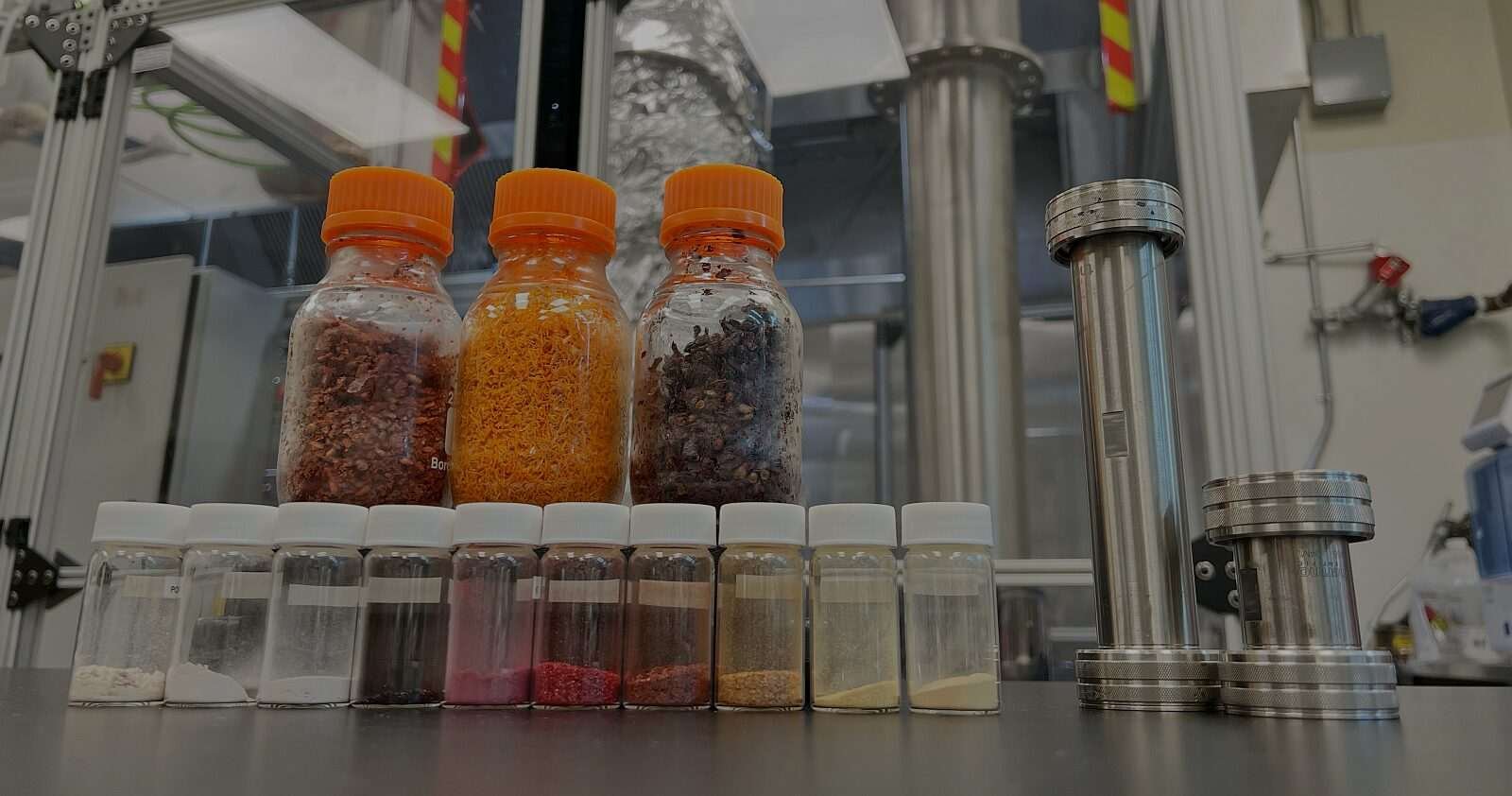
The company’s refining platform uses water, pressure and changes in temperature to separate side streams into soluble and insoluble fibers, bioactives and fermentable sugars, transforming almost all of the incoming biomass into salable products.
Under the proposed model, Hyfe facilities would be co-located with those of food processors, which would finance, build, own and operate plants using Hyfé’s technology under license. Hyfé would help scale and commission the facility, develop markets for the resulting ingredients and generate revenue through licensing and product sales.
“We’ve developed refining technology that valorizes everything in the solid waste and we’re now entering negotiations for our first commercial partner, which is very exciting,” cofounder and CEO Michelle Ruiz told AgFunderNews.
“We’re using water and pressure,” said Ruiz. “We are essentially manipulating the polarity of water to be able to extract everything in the biomass. The water acts like a solvent; it acts like an acid; it can act like a base.”
Hyfé has worked with side streams including grapes, pomegranates, tomatoes, onions, garlic, almonds, olives, mangoes and avocados. It is currently producing ingredients at kilogram scale at its facility in San Francisco and began generating revenues this year from paid feasibility and pilot studies.
The projects assess the composition of a processor’s waste, fractionate it, test the functionality of the resulting products and determine whether there is a business opportunity, said Ruiz. “The value proposition that we bring to the waste generators is to build out the whole value chain.”
Fibers and bioactives take priority over sugar
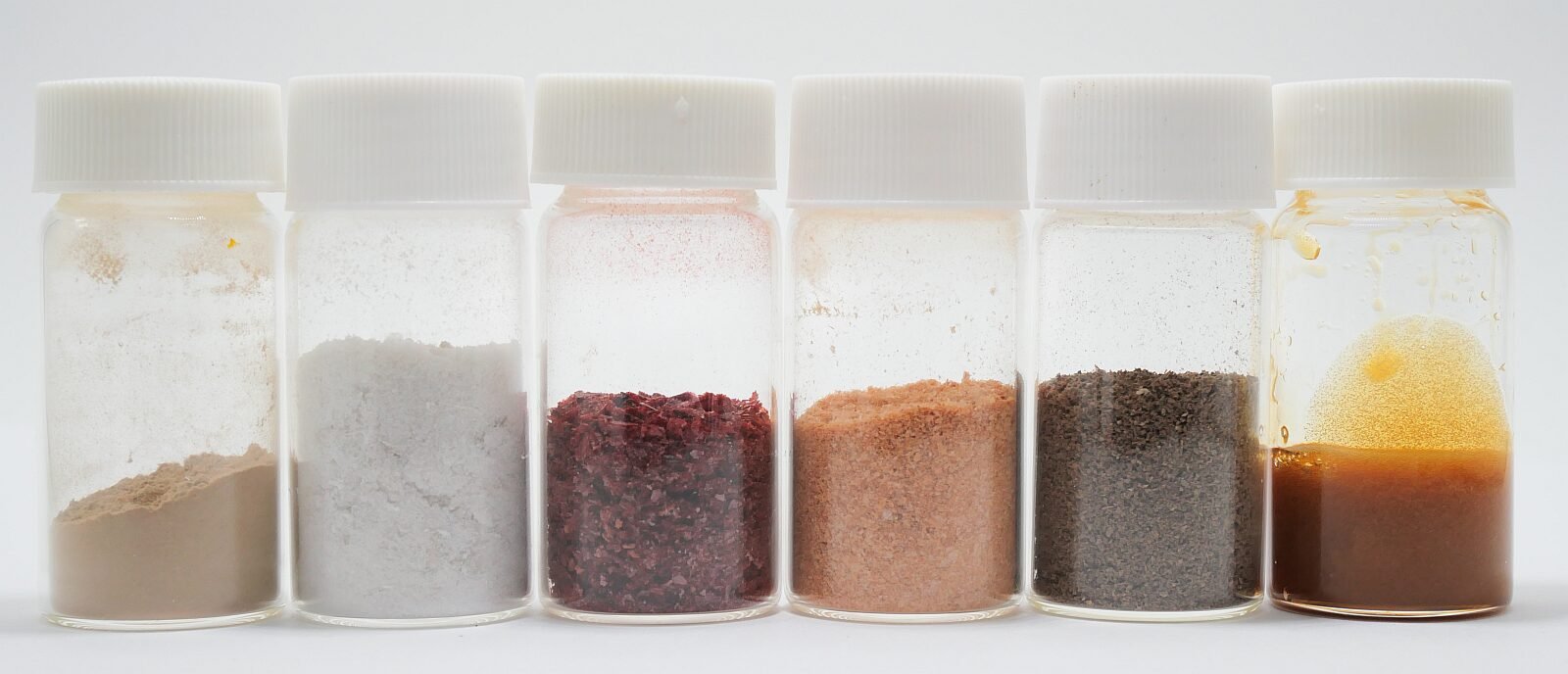
Hyfé currently produces four product streams: bioactives, soluble fiber, insoluble fiber, and fermentable sugars. However, the latter are no longer the main commercial focus, said Ruiz.
“Right now, the economics for sugars don’t make sense [as a standalone business]. There’s plenty of corn sugar to go around and it’s cheap as corn is subsidized. So for us, the question was how do we continue to build technology that can scale and be ready for the bioeconomy when the time is right, because a [standalone fermentable] sugar [from waste water] business wouldn’t be able to survive today.”
Instead, Hyfé is initially prioritizing higher-value ingredients such as specialty fibers and bioactives with potential uses as natural preservatives, natural color stabilizers, or antioxidants that could replace synthetics such as BHA and BHT.
Processor-funded commercial model
Under Hyfe’s proposed business model, a food processor would fund and operate a co-located facility, while Hyfé would license its technology, support its operation and take responsibility for developing and selling the resulting ingredients.
“They build, own, and operate that facility, but we are very, very involved” in the scale-up, start-up and subsequent improvements, said Ruiz.
Hyfé would own ingredients produced through its process, although the processor could buy material back for use in its own products.
The processor and Hyfé would share the value generated.
For processors, the proposition is both to reduce disposal costs and create a new revenue stream from materials that are typically used in animal feed markets, claimed Ruiz.
“Most processors send the material to animal feed pretty much at transport costs, so they don’t make any money off of it.”
By separating the biomass into multiple products rather than drying and grinding it into a single low-value powder, Hyfé believes it can unlock substantially more value: “The ability to split this stuff apart and say, Hey, this material if you pull it out, sells for $1,000 a kilo into the cosmetics market… that has real value.”
Soluble fibers
Hyfé is particularly interested in short-chain pectins recovered from fruit and vegetable side streams, said Ruiz.
“Clearly in the market today, it’s not enough just to be a fiber. So we work [with third parties] to conduct initial structural analysis that can often tell you what type of function the fiber might have in the gut. Based on that, we might recommend to our partners let’s go do clinicals.”
As for potential offtakers, she said, “Are you a CPG company that’s used to seeing corn fiber, gums, or inulin? If I can bring you a raspberry fiber, that’s a differentiator.”
While protein remains top of mind for many Americans, fiber is gaining traction as more consumers understand the connection between the gut microbiome and overall health; terms such as “prebiotic fiber” become more mainstream, and more people take GLP-1 drugs, which can focus attention on the gut, she said.
On a more practical level, the fact that Hyfe’s soluble fibers are cleanly separated from the polyphenols in the waste stream also appeals to formulators, as polyphenols can add color, bitterness or astringency; interact with proteins and other ingredients; and alter pectin’s functional properties, she noted.
They are also more stable than inulin in acidic, hot-fill beverages, where inulin can hydrolyze into shorter fructans and eventually fructose, she claimed.
Bioactives
For bioactives, Hyfé is conducting initial antioxidant testing internally, but then working with established ingredient companies that have the chemistry libraries, application expertise and customer relationships needed to commercialize natural preservative systems.
“So far, the crops that we’ve worked with have demonstrated stronger antioxidant activity than the synthetics and the natural preservatives in the market for antioxidant oil preservation, and we have had a couple of crops that have surprised us with antimicrobial properties,” she claimed.
“The goal for bioactives is partnering with value chain partners to get this to market.”
Asked about who would handle the regulatory process for ingredients emerging from Hyfe’s food waste valorization process, she said: “For the soluble fiber, which we’re owning and taking to market as an ingredient, our waste generating partners are going to be the ones that own the regulatory process.
“For the bioactives, it’s going to be our offtake partners that do the regulatory and take them to market.”
Prepping for a Series A
The firm, which has raised $11 million to date, has around 18 months of runway remaining and can currently produce ingredients at kilogram scale. However, it needs more resources to service a growing pipeline of food processors, said Ruiz.
“We’re going to go out to the market for our Series A in September because our commercial traction is outpacing our team size and our ability to execute on contracts.”
Hyfé has the potential to reach $1 million in revenues this year, she claimed, but lacks the resources to capitalize fully on the opportunities out there. “Especially on the waste generator side, there’s market fit, and we have too many contracts where we’re entering the stage where if we want to capture this opportunity, we need to move a little bit faster. We’re at an inflection point right now.”
Waste to value
Everything “clicked about a year and a half ago at a Climate Week event,” said Ruiz.
“The companies that generate the waste don’t really know what the commercialization piece will look like because they’re really good at their core business, which might be to make juice or to can fruits and vegetables, but they don’t know what these fibers in their side streams will do in the gut.”
While multiple companies are seeking to mine everything from spent brewers’ grains to corn stover for high-value ingredients, “I haven’t seen anybody who’s doing full refining,” claimed Ruiz, who used to run a wastewater treatment plant for oil giant Exxon Mobil.
“Usually, what we see is people trying to extract one thing. So the main incumbent for soluble fiber extraction is the pectin industry, but that’s more for a gelling fiber, not for short chain fibers [that could be promoted for specific health benefits].
As to how confident Ruiz feels about raising money in the current environment, she said: “I’m feeling confident because there is a lot of interest both in waste to value and in domestic manufacturing. We’re also entering the process with commercial traction and partners that are willing to talk to our investors to say we really want this to happen.”
Further reading:
Beyond stevia: 2nd Nature mines ag side streams for next-gen sweeteners with AI
The Bland Company raises $2.7m to functionalize plant proteins from ag side streams
The post Waste to value: Hyfé expands refinery model to extract fibers and bioactives from food side streams appeared first on AgFunderNews.


