

When the power goes out, what stays on in your home? That depends on whether you’ve set up whole-house backup or essential-circuit backup — and most Australians don’t know the difference until they’re sitting in the dark. With grid outages becoming more frequent due to extreme weather and ageing infrastructure, understanding your solar battery backup options could help protect your food, comfort, and safety.
What is whole-house backup?
Whole-house backup means your solar battery system powers every single circuit in your home during a blackout. Lights, appliances, air conditioning, hot water — all of it keeps running.
To pull this off, you need a large battery (typically 10–30+ kWh) paired with a multi-mode inverter. The system automatically detects a grid outage and switches to battery power within milliseconds.
This setup gives you the closest experience to normal life during a power cut. It’s popular with larger families, homeowners with medical equipment, and anyone who wants true energy independence from the grid.
Use Energy Matters’ easy-to-use solar power and battery storage calculator to determine the size of your solar system with storage! Our solar calculator will generate performance information and potential savings.
We can send this information to 3 of our pre-vetted, trusted local installers in your area so they can provide obligation-free solar quotes and take the first step toward true energy independence!

What are the essential circuits for backup?
Essential circuits backup is a more targeted approach. Instead of powering the whole home, your battery system is wired to only the most important circuits — usually the fridge, lights, Wi-Fi router, phone chargers, and maybe one or two other appliances.
This is achieved by pre-selecting specific circuits during installation. The backup system only draws power from the battery for those circuits, leaving everything else off during a grid outage.
Because the battery isn’t powering everything, it lasts much longer during an outage. Essential circuits backup is a cost-effective way to keep the essentials running without paying for a whole-house solution.



Whole-house backup vs Essential circuits: The key differences
The choice between whole-house backup and essential circuits backup comes down to three main factors: your budget, how much power you use daily, and what you can’t afford to lose in a blackout. Here’s a plain-language breakdown of what sets them apart:
Coverage
Whole-house backup covers everything. Essential circuits backup covers only the circuits you and your installer have selected in advance.
Battery size
Whole-house backup demands a bigger battery — often 10 kWh or more. Essential circuits backup can work with a smaller 5–10 kWh battery since you’re drawing far less power.
Cost
A full whole-house backup setup typically costs between $15,000 and $30,000 or more, depending on battery size and inverter type. Essential circuits backup is generally cheaper, ranging from $8,000 to $18,000 for most homes.
How long does the battery last
During a blackout, a whole-house backup system powers your full load — which means it drains faster. Essential circuits back up a smaller load, so the battery often lasts much longer, sometimes 24 to 48 hours on a single charge.
What actually happens during a blackout?
When the grid goes down, your battery system’s inverter detects the outage and switches to island mode. This happens automatically and usually takes less than a second — often so fast you won’t even notice the lights flicker.
If you have a whole-house backup
Everything in your home stays on. Your air conditioner, washing machine, oven, hot water system, and EV charger can all keep running (provided your battery has enough capacity). You may not even realise there’s an outage until you check your monitoring app.
Powering up your EV with solar
If you’re thinking of buying an electric vehicle (EV), adding an EV charger to your solar system is a smart way to “fuel” your car with clean, renewable energy.
If you have essential circuits backed up
Only your pre-wired circuits stay on. So your fridge stays cold, the lights work, and you can stay connected — but the air con, oven, and other non-essential appliances won’t run. For most Australians, that’s perfectly workable for a typical short outage.
What about solar during a blackout?
This surprises a lot of people. If you have solar panels but no battery, your solar system shuts down during a grid outage for safety reasons. This is required by law in Australia under AS/NZS 4777.
However, if you have a solar battery with backup capability, your solar panels can continue charging the battery even during a blackout. This means your backup power can actually replenish during the day, which is a huge advantage.
Ready to get solar and battery quotes for your home? Compare up to 3 quotes from SAA-accredited installers.
Which backup option is right for you?
Your choice between whole-house backup vs essential circuits really depends on your home, your lifestyle, and your priorities.
Choose whole-house backup if you:
- Have a larger home with high daily electricity use
- Have medical equipment that must stay on at all times (e.g., CPAP machine, home dialysis)
- Live in a region with frequent or long grid outages
- Want to operate fully off-grid or maximise energy independence
- Charge an EV at home and want that to continue during outages
Choose essential circuits backup if you:
- Want reliable backup for the basics without the higher price tag.
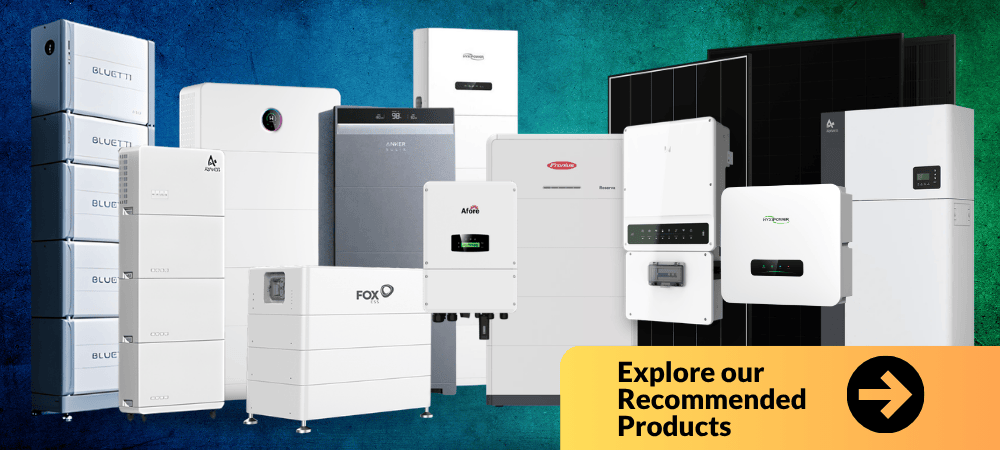
- Have a smaller battery. Check our page for our recommended solar products.
- Live in an area where outages are occasional and short.
- Are you upgrading an existing solar system with battery storage?
- Want the most cost-effective blackout protection available.
Frequently asked questions
Can I switch from essential circuits to whole-house backup later?
Yes, in most cases. If you install a battery with a compatible hybrid inverter, your installer can rewire the backup circuits later. It’s always worth planning ahead so you don’t need to replace core equipment.
Does whole-house backup work with all solar batteries?
Not all batteries support whole-house backup. You need a battery paired with a multi-mode or off-grid-capable inverter. Popular options in Australia include the Tesla Powerwall 3, Sungrow SBH, and AlphaESS Smile5. Ask your installer about compatibility before you buy.
How long will my battery last during a blackout?
That depends on your battery size and what you’re running. A 10 kWh battery powering essential circuits only could last 24–48 hours. The same battery powering a whole house might last 6–12 hours. Your installer can model this based on your actual usage data.
Is battery backup mandatory in Australia
No, it’s optional. But with the Australian Energy Market Operator (AEMO) reporting more frequent grid instability during extreme weather events, many homeowners are choosing battery backup for peace of mind. See AEMO’s latest grid reliability reports for context.
What’s the difference between backup and off-grid?
Backup means you stay connected to the grid but switch to battery power during outages. Off-grid means you’re fully disconnected from the grid and rely entirely on solar and battery storage year-round. Most urban and suburban Australians choose backup rather than off-grid.

Energy Matters can help
Choosing between whole-house backup vs essential circuits doesn’t have to be confusing.
Energy Matters connects Australians with trusted installers who can assess your home’s energy use, recommend the right battery size and explain the best backup configuration.
Whether you’re installing your first battery or upgrading your existing solar system, expert solar advice ensures your investment delivers reliable blackout protection.
Get free solar and battery quotes from Energy Matters today and discover the backup solution that suits your home, budget and future energy goals.
Sources and References
- AEMO – National Electricity Market Overview
- Clean Energy Council – Battery Storage Guide
- Solar Victoria – Battery Rebate
- SA Government – Home Battery Scheme
The post Whole-House Backup vs Essential Circuits: What Happens in a Blackout? appeared first on Energy Matters.


